
Pre-travel Checklist: Essential Items to Avoid Pitfalls
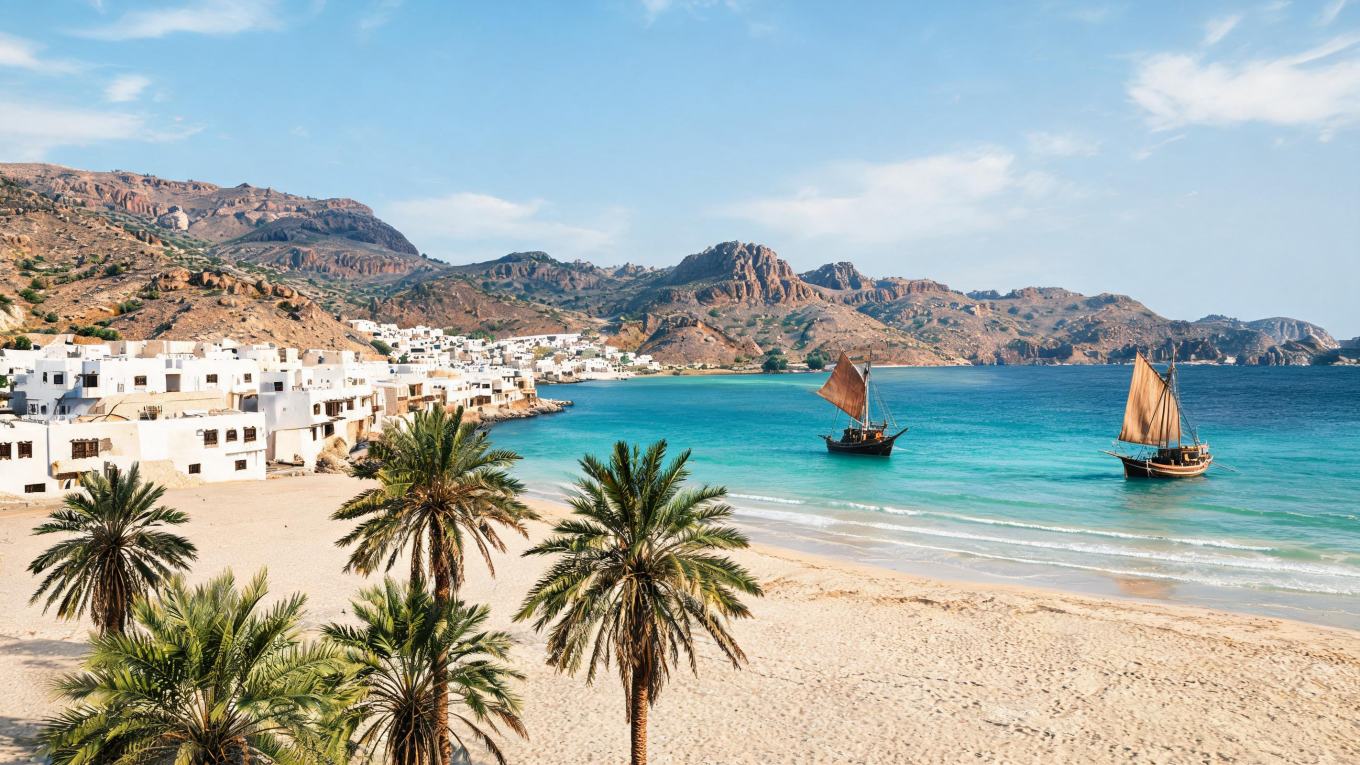
The eastern region of Oman is renowned for its deserts, canyons, oases, and coastal scenery along the Arabian Sea. It is recommended to bring high SPF sunscreen (SPF50+), a wide-brimmed hat, a windproof scarf (locally known as "shemagh"), lightweight hiking shoes, and quick-drying clothing. If planning to visit the Wahiba Sands, it is essential to prepare sand-proof shoe covers and an insulated water bottle (due to significant temperature differences between day and night in the desert). For electronic devices, it is advisable to carry spare batteries and a portable power bank (the local power outlets are British three-pin sockets, requiring a plug adapter).
Regarding medications, in addition to common drugs, it is suggested to bring anti-heatstroke medication (such as Huoxiang Zhengqi Water) and gastrointestinal medicine (as local cuisine tends to be oily). If planning on hiking, iodine swabs and band-aids can be prepared for minor abrasions. HeroGuide certified local guides remind: some remote areas have limited medical resources, so it is recommended to purchase travel insurance that includes desert rescue coverage in advance.
Visa and Documents: Dual Insurance with Electronic Visa + Local Documents
Chinese citizens can apply for an Omani e-Visa, which is valid for 30 days and costs approximately $20. Required documents include a scanned copy of your passport, a photo, and a travel itinerary (a hotel booking confirmation is recommended as a substitute to avoid mentioning "free time"). The approval process typically takes 3-5 working days, so it is advised to apply at least 10 days in advance. Upon entry, you must carry a printed copy of the e-Visa, your passport (valid for more than 6 months), and round-trip tickets (a travel itinerary can be used as a substitute).
If planning to drive, you need to obtain an International Driving Permit (IDP) and carry the original Chinese driver's license. HeroGuide提醒: Some checkpoints in eastern Oman may require you to show proof of vehicle insurance (it is recommended to purchase full coverage), and when renting a car, ensure the insurance coverage is confirmed.
Currency and Payment: Cash as Primary, Carry Small Change
The official currency of Oman is the Omani Rial (OMR), with 1 OMR ≈ 18.5 CNY. In the eastern region, cash usage is high, so it is recommended to carry 50-100 OMR in small denominations (1/2/5 Rial notes) for tipping, taxi fares, or shopping at markets. There are fewer ATMs locally, so it is suggested to exchange money at banks in Muscat Airport or the city of Sur. Credit card acceptance is low, with only some hotels and restaurants accepting Visa/Mastercard, so it is recommended to carry a UnionPay card as a backup.
HeroGuide cost-saving tips: Fruit stalls and handicraft shops in Sur Central Market usually accept only cash. When bargaining, try starting with "50% off" (the actual transaction price is approximately 70% of the listed price).
Communication and Network: Limited 4G Coverage, Rent a Local SIM Card
In major towns of eastern Oman (such as Sur and Jalan Banturut), there is 4G signal, but signal strength is weak in desert and canyon areas. It is recommended to purchase an Omantel or Ooredoo prepaid SIM card (about 5 OMR for 10GB of data, valid for 30 days) at Muscat Airport in advance, or rent a mobile Wi-Fi device through HeroGuide-certified local guides (approximately 10 OMR per day, suitable for sharing among multiple people).
Local SIM cards require registration with a passport, and after activation, it is recommended to download the "Oman Post" app to check nearby signal points. If planning to venture deep into the desert, you can rent a satellite phone (about 50 OMR per day for emergency communication).
Local Transportation Tips: Combination of Private Hire + Public Transport
Public transportation in the eastern region is scarce, so private hire is recommended. Sur City has minibuses connecting surrounding towns (such as Wadi Shab), with fares ranging from 0.5-1 OMR, but schedules are irregular and lack English signage. It is more recommended to book private hire through HeroGuide-certified platforms (competitive bidding + fixed-price model), with daily rates for a 4-seater car ranging from 80-120 OMR (including fuel and driver fees), suitable for 2-3 people.
When driving yourself, be aware that most roads in eastern Oman are two-lane, and some desert sections lack road signs. It is recommended to download the "Maps.me" offline map in advance and mark gas stations (gas stations in the desert are approximately 100 kilometers apart). HeroGuide reminds: Only 4x4 vehicles are allowed inside the Wahiba Sands, and ordinary cars need to park at the edge of the desert and switch to a local guide's off-road vehicle (about 30 OMR per person).
Safety and Etiquette: Respect Traditions, Avoid Offense
The majority of residents in eastern Oman are Ibadi Muslims, and the following etiquette should be observed: when entering a mosque, remove your shoes and cover your shoulders and knees (women can carry a light scarf); taking photos of locals requires prior consent (especially elderly people and children); during Ramadan (which varies according to the Islamic calendar), eating and smoking in public places are prohibited during the day.
For safety: Desert hiking should be done with a guide, and solo exploration should be avoided; in summer (May-September), temperatures often exceed 40°C, so it is recommended to carry more than 1.5 liters of water; when swimming at the beach, be aware of tides (some beaches do not have lifeguards). HeroGuide-certified local guides recommend: choosing a guide with "desert rescue certification" and confirming that their vehicle is equipped with GPS and a first-aid kit.
Common Mistakes for Beginners: Avoid These Pitfalls
- Underestimating Desert Temperature Differences: Wear short sleeves during the day and a down jacket at night; it is recommended to dress in layers.
- Ignoring Visa Expiry: e-Visas cannot be extended, and penalties for overstaying are about 10 OMR per day.
- Directly Giving Tips: Locals consider it impolite to give tips openly, so it is recommended to secretly place the money in an envelope or under the bill.
- Wearing Shorts in Traditional Markets: It is recommended to wear long pants in places like Sur Central Market, otherwise you may be refused entry.
- Reliance on Google Translate: English proficiency is low locally, so it is recommended to learn basic Arabic phrases in advance (such as "Shukran" = Thank you) or book a guide who speaks Chinese through HeroGuide.


