
Preparation Checklist: The "Light but Essential" Principle for Batinah
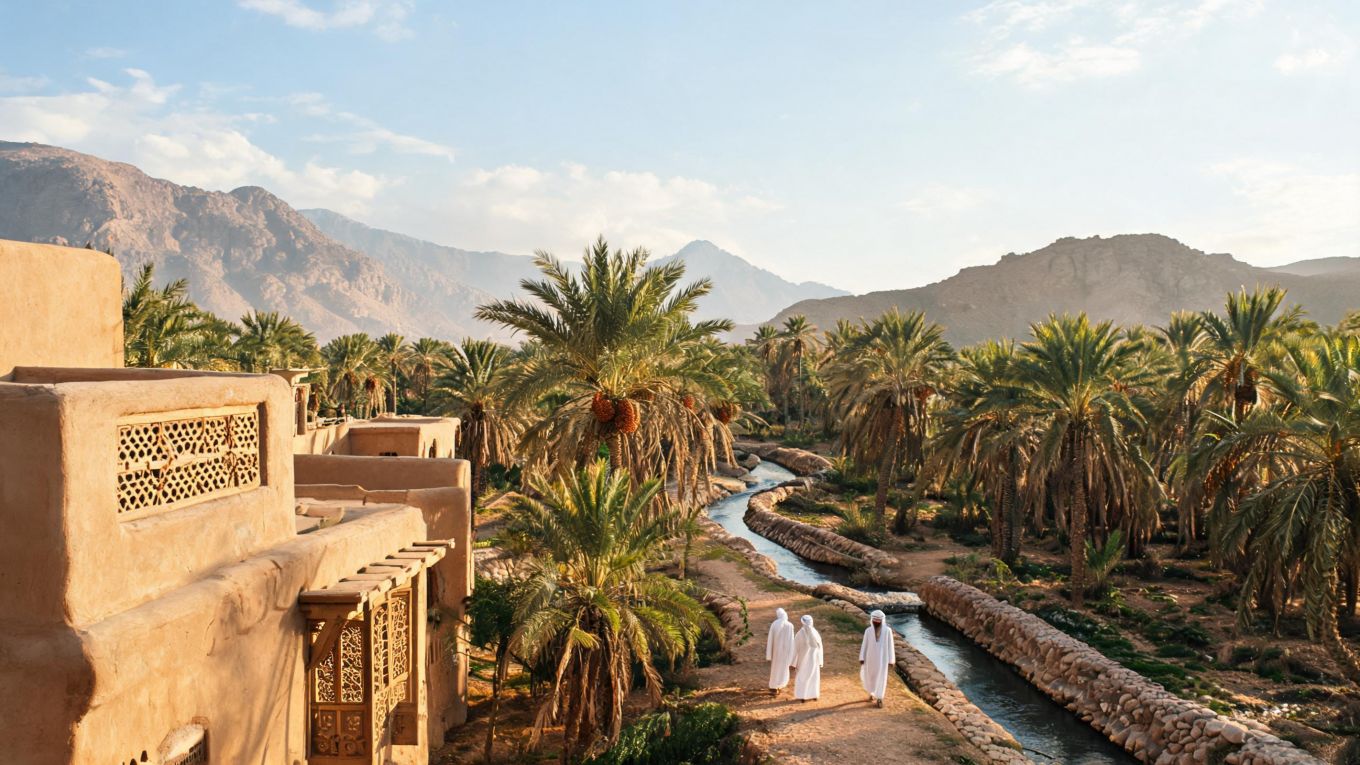
Batinah, located in northern Oman, is renowned for its unique landscape where desert, oases, and coastlines intertwine. It is recommended to bring sunscreen with a physical SPF 50+ (as the local UV rays are extremely strong), a foldable wide-brimmed hat, lightweight quick-drying clothing (summer temperatures often exceed 40°C), and a pair of sand-resistant hiking shoes (some oasis trails have loose sand). If planning to explore the Wahiba Sands area, a light scarf can be useful to prevent sand exposure, though no professional outdoor gear is necessary—local guides often provide basic sand protection tools.
For medications, in addition to common gastrointestinal remedies, it is advisable to carry electrolyte supplements to prevent heatstroke (local pharmacies may not have Chinese labels). For electronic devices, bring a universal adapter plug (Oman uses British three-pin sockets) and at least a 20,000mAh power bank (no charging facilities in desert areas).
Visa and Documents: E-Visa + Document Backup = Peace of Mind
Chinese citizens can apply for an Omani e-Visa, which is valid for 30 days and allows single entry, costing approximately 20 Omani Rials (about RMB 370). It is recommended to apply directly through the Omani Immigration Department's official website (evisa.rop.gov.om) to avoid third-party platform surcharges. Approval typically takes 3-5 working days and requires uploading the passport's first page, a photo, and a travel itinerary (hotel booking confirmation can be used as a substitute).
Upon entry, you must carry the original passport, printed e-Visa, and hotel booking confirmation (even if guided services are booked via HeroGuide, it is still advisable to keep the itinerary confirmation). Copies of the passport should be stored in two separate places (luggage + personal bag) and backed up to the cloud.
Currency and Payment: Cash Dominates, Tips for Small Change
The local currency in Oman is the Omani Rial (OMR), with 1 OMR ≈ 19.5 CNY (as of 2024 exchange rates). Cash usage is high in the Batinah region, so it is recommended to exchange USD domestically before arrival, then convert to Omani Rials at the airport or banks in Sohar (some banks require the original passport). For small purchases (such as market shopping), prepare 1/2/5 Rial notes to avoid difficulties with large bills (like 50 OMR) when receiving change.
Credit card acceptance is limited, with only some high-end restaurants and malls supporting Visa/Mastercard. If booking guided services via HeroGuide, communicate payment methods in advance with the guide—some guides accept WeChat payments in RMB (settled at real-time exchange rates), but confirm any service fees.
Communication and Internet: Local SIM Card vs International Roaming
Ooredoo and Omantel are the two major operators providing coverage in Batinah. It is recommended to purchase an Ooredoo tourist SIM card (available at airports and malls), which includes 10GB of data (valid for 30 days) and local call minutes, priced around 10 OMR. Activation requires the original passport, and some stalls can assist with setting up APN (if your phone cannot connect automatically).
International roaming is expensive (China Mobile charges about 30 CNY/day), so it is only recommended for short stays. If matched with a guide via HeroGuide, inquire in advance whether the guide offers hotspot sharing—some guides will proactively provide this to save on data costs.
Local Transportation Tips: Hiring a Private Car Is More Convenient Than Renting
Public transportation in Batinah is scarce, and distances between attractions are far (e.g., driving from Sohar to Barka takes about one hour). It is recommended to hire a private car or book a guided tour with vehicle services through a certified local agency (such as HeroGuide). The cost of hiring a car is approximately 40-60 OMR per day (including fuel), with additional guide fees (around 20 OMR/day, lunch can be negotiated).
Renting a car requires an international driver’s license (a notarized translation of a Chinese license is needed), and local driving habits differ from those in China (e.g., right-hand driving, some roads lack streetlights). If renting a car, choose a four-wheel-drive vehicle (for desert terrain, a high ground clearance is needed), and purchase full insurance (sand and gravel roads can easily scratch the body). Through the HeroGuide website, you can compare competitive quotes and fixed-price services to avoid being overcharged during negotiations.
Safety and Etiquette: Respect Traditions, Avoid Unintentional Offenses
The majority of Batinah residents are Muslim, so it is important to observe dress codes: women should avoid sleeveless tops or short skirts, and men should not wear tank tops when entering mosques. Always ask for permission before photographing locals (especially women and children). During Ramadan (the ninth month of the Islamic calendar), eating and smoking in public during the day are prohibited, and visitors should follow local customs.
Handshakes are only appropriate between people of the same gender; for interactions with the opposite sex, a nod and smile are sufficient. When accepting items, use your right hand (or both hands), as using only the left hand is considered disrespectful. If matched with a guide via HeroGuide, inform them in advance of any dietary restrictions (such as vegetarian or halal options), and the guide will recommend compliant restaurants.
Common Mistakes for Beginners: I’ve Experienced These Pitfalls for You
- Underestimating Desert Temperature Fluctuations: Deserts can reach over 40°C during the day but drop below 20°C at night, so bring a light jacket.
- Drinking Tap Water Directly: The local tap water has high salt content, so it is recommended to buy bottled water (a 1.5L bottle costs about 0.5 OMR at supermarkets).
- Ignoring Tipping Culture: Restaurants usually expect a 5-10% tip (some upscale venues include service charges), and guides can receive 5-10 OMR/day depending on the situation.
- Reliance on Google Maps Navigation: Some desert routes lack signal, so download offline maps or let the guide plan the route.


