
Pre-Travel Checklist: A Practical Guide from Documents to Gear
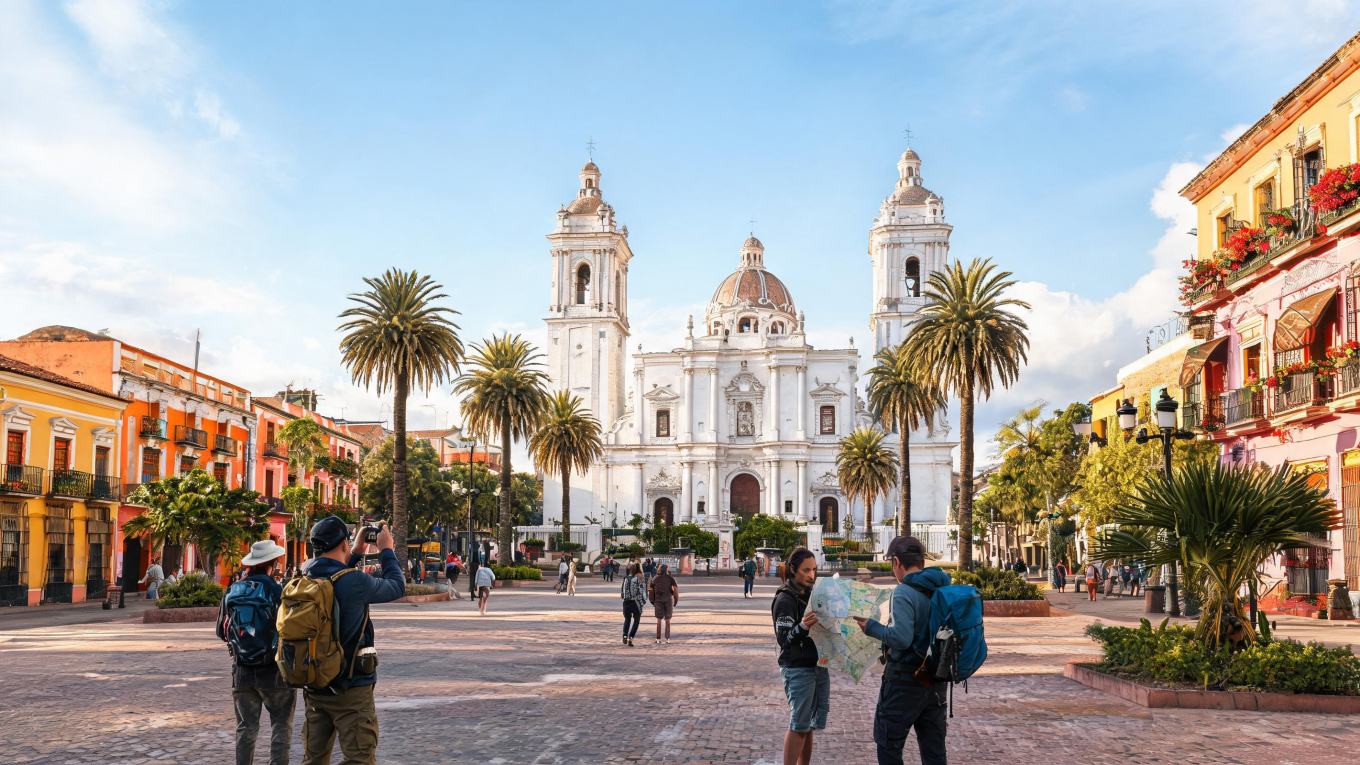
When traveling to the historic city of Santiago del Estero in northern Argentina, it's essential to plan ahead for documents, health, and gear. Your passport must be valid for more than six months. If you hold a valid U.S. B1/B2 visa (used within the last two years), you can apply for an Argentine AVE electronic travel authorization (requiring a passport scan, itinerary, and flight reservation). Otherwise, you'll need to obtain a 10-year multiple-entry tourist visa, which requires proof of employment, bank statements, hotel bookings, etc. It's recommended to start this process at least three months in advance. In terms of health, Argentina does not have mandatory vaccination requirements, but it's advisable to bring mosquito repellent (as mosquitoes are prevalent during summer) and common medications (some may require English prescriptions). For gear, lightweight hiking shoes, sunscreen (due to strong UV rays in summer), and a Spanish translation app (such as Google Translate) are essential. If planning to visit Lago Chiquita, consider bringing a waterproof camera bag.
Visas and Documents: Key Details to Avoid Rejection
Argentina's visa application process is strict, requiring all materials to be 100% genuine and compliant with regulations. The employment certificate must include your start date, position, and purpose of travel, and it needs to be notarized and apostilled (since both China and Argentina are signatories to the Hague Convention, double authentication is unnecessary). Bank statements should show an average monthly balance of at least 10,000 RMB over the past three months; if insufficient, supplementary assets like property deeds or car purchase contracts can be provided. Common reasons for rejection include mismatched dates on itineraries and flight/hotel reservations, incorrect photo specifications (must be 4×4cm with a white background), and applying under the wrong consulate jurisdiction (strictly choose based on your domicile or place of residence, e.g., the Beijing Consulate covers the northern region). If entering with an AVE electronic authorization, ensure that the associated U.S. visa is still valid upon entry, and carry the confirmation email and payment receipt for the authorization.
Currency and Payments: Balancing Savings and Security
The Argentine Peso (ARS) exchange rate fluctuates significantly, so it's advisable to carry US dollars (some merchants accept USD, though the exchange rate is unfavorable) and Visa/Mastercard credit cards (widely accepted in supermarkets and restaurants). ATM withdrawal fees in Argentina are relatively high (approximately 3%-5% per transaction), so it's best to withdraw sufficient cash at once. When exchanging pesos, prioritize official exchange points in the city center (such as "Cambio Arizona") to avoid high exchange rates at airports or hotels. For those planning an extended trip, purchasing a local prepaid SIM card (like Personal or Claro, costing around ARS 500 per week with 10GB of data) is more cost-effective than international roaming. HeroGuide, as a certified local guide platform, offers competitive pricing and fixed-rate services. If you need a private car or guide, compare prices on their website before selecting a compliant service provider to avoid unlicensed guides offering services on the street.
Communication and Internet: Practical Solutions for Staying Connected
Argentina's 4G network covers over 97% of the population, but signal strength may be weak in remote areas (such as around Lago Chiquita). It's recommended to purchase a local SIM card (requires passport registration) or activate an international roaming package from your domestic carrier (e.g., China Mobile's "Belt and Road" package, costing 25 yuan per day with 1GB of data). If using digital wallets like Mercado Pago (the most popular digital wallet in Argentina), you'll need to link an international credit card and download the app in advance. Free Wi-Fi hotspots are scarce, available only in some hotels and cafes (such as "Café de la Plaza" in the city center). It's advisable to carry a portable charger, as shared charging stations are limited in Argentina.
Local Transportation Tips: Efficient Strategies from Airport to Attractions
Santiago del Estero has a small airport (SDE), but there are few domestic flights. Most visitors arrive via a connecting flight from Buenos Aires or by long-distance bus. Within the city, taxis are the primary mode of transport (starting fare around ARS 200), and it's recommended to use the "Uber Argentina" app for rides (cheaper than hailing taxis on the street by about 20%). Alternatively, blue-painted public buses cover the city center (single fare ARS 50). If planning to visit nearby attractions (such as the Iglesia de la Merced or the Centennial Cultural Center), renting a bicycle (available at "Bici Santiago" rental points in the city center, ARS 300 per day) or booking a private car through HeroGuide (a 4-seater car costs approximately ARS 2000 per day, including the driver) is convenient.
Safety and Etiquette: Unspoken Rules for Blending In
Argentina generally has good safety conditions, but travelers should be cautious: avoid walking alone at night in secluded areas, keep your backpack in front to prevent pickpocketing; when interacting with locals, maintain appropriate eye contact and smile (Argentinians are warm, and appearing indifferent may be considered impolite); always ask for permission before photographing people, especially elders and children. In terms of dining, when trying local specialties like Empanadas (stuffed pastries), use your right hand to pick them up (left hand is considered unclean). When entering churches, remove your hat, and wearing shorts or sleeveless tops may result in being denied entry. If attending festivals (such as the February "Carnaval"), check in advance whether reservations or tickets are required.
Common Mistakes for Beginners: Avoid These Pitfalls for a Smooth Trip
- Underestimating Travel Time: It takes about 1.5 hours to drive from the city center to Lago Chiquita. If joining a one-day tour, allow enough time for the return journey (local buses usually stop running after 6 PM).
- Ignoring Tipping Culture: Restaurants typically require a 10% tip (if not included in the bill), while taxis do not require tipping, but it's customary to give ARS 100-200 to private car drivers.
- Reliance on Chinese Language Services: English proficiency is relatively low in Argentina, and except for high-end hotels, most businesses can only communicate in basic English. It's recommended to download a Spanish phrasebook in advance.
- Not Confirming Opening Hours: Some museums (like Museo de Arte Sacro) are closed on Mondays, and churches (such as Iglesia Catedral Basílica) may hold religious services on Sunday mornings, so visitors should wait until after the service ends before entering.


