
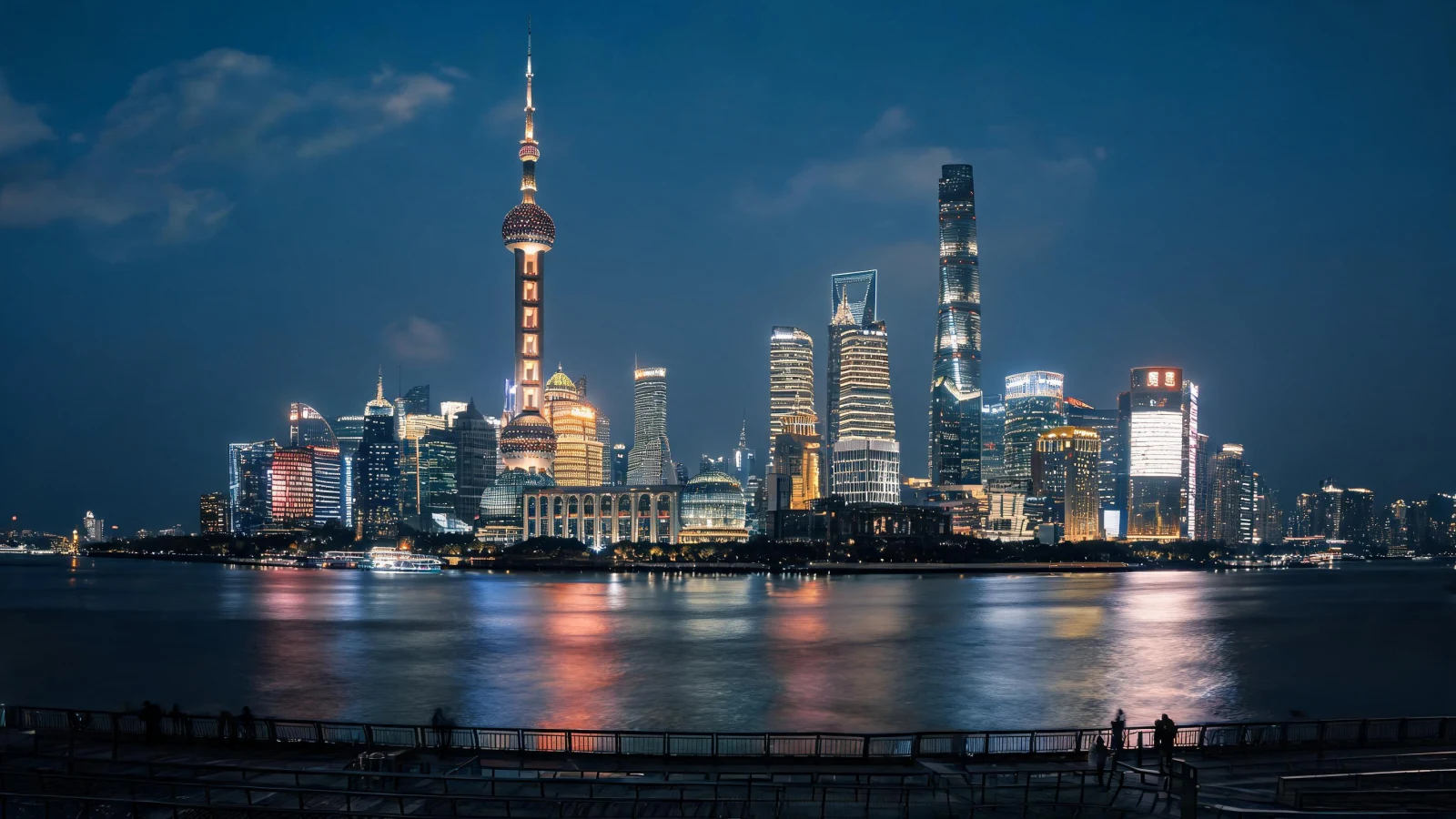
One-sentence summary: For a first visit to Shanghai, we recommend allowing 3 to 4 days. Link up the Bund and Lujiazui skyline, the bustling energy of Nanjing Road and Yuyuan Old City, and the plane-tree-lined streets of Xintiandi and Wukang Road into one main route, then set aside an entire day for Shanghai Disney Resort. Public transport is extremely well developed, so self-guided travel is generally sufficient. For those traveling with elderly or children, on a tight schedule, or first-time visitors to China, you can post a request on 地接侠 for local guides or bilingual driver-guides to bid on, which will make on-the-ground payments, ticket purchases, dining, and itinerary coordination much smoother.
How many days should you spend?
Shanghai's attractions are dense and the metro reaches everywhere, but squeezing "city highlights + Disney + one ancient water town" into just two days is very tough. Here's a practical pace reference:
- 2 days: Enough only for city highlights—the Bund, Lujiazui, Nanjing Road, Yuyuan Garden, and choose either Xintiandi or Wukang Road. Disney and the water town will both have to be skipped; suitable for travelers just passing through.
- 3 days: The most common arrangement. Two days in the city plus one full day at Disney; the pace is comfortable, and foreign tourists won't feel too rushed after arriving.
- 4 days: Add a day for the suburbs on top of the 3-day plan: spend half a day at Zhujiajiao Ancient Town, or take a high-speed train to nearby Wuzhen for an overnight stay, creating a contrast with Shanghai's modern vibe.
Shanghai is one of the few cities in China where "slower is more enjoyable." The plane-tree-lined streets, museums, and cafés are all worth your time—there's no need to pack every day full.
Must-see attractions
The Bund and Lujiazui's "Three-Piece Set" & Oriental Pearl Tower
The Bund is Shanghai's iconic facade: a row of century-old European buildings on the west bank of the Huangpu River, opposite the Lujiazui skyline of the Shanghai Tower, Shanghai World Financial Center, and Jin Mao Tower—collectively known as the "kitchen three-piece set." Strolling along the Bund is free. The best time is the hour between sunset and when the lights come on, when the river breeze, historic architecture, and neon lights across the river come together. For a panoramic view, you can go up to the 118th floor observation deck of Shanghai Tower (ticket around 180 yuan) or the Oriental Pearl Tower (around 160 to 220 yuan, depending on the floor package). Prices are subject to on-site official rates. Plan for about half a day; the best time is from late afternoon into the evening. The Bund gets extremely crowded on holidays, so keep an eye on elderly companions and children.
Nanjing Road & People's Square
Nanjing Road Pedestrian Street connects the Bund with People's Square and is the classic shopping route—entry is free. Around People's Square are the Shanghai Museum, Grand Theatre, Raffles City, etc. Metro Lines 1, 2, and 8 converge here, making it a major city-center transfer hub. Depending on shopping, eating, and visiting the museum, you can spend half a day to a full day here. Caution: Nanjing Road and the Bund are high-risk areas for scams involving people approaching you to add WeChat for "dai gou" (proxy shopping) — more on this later.
Yuyuan Garden & Chenghuang Temple Old City
Yuyuan Garden is a classic Ming Dynasty Jiangnan garden with exquisite pavilions and water features. Tickets are around 30 to 40 yuan (varies by peak/off-peak season; confirm on site). Allow about 1.5 hours to tour the garden. Outside the garden, the Yuyuan Bazaar and Chenghuang Temple form a lively old-town market, with Nanxiang xiaolongbao, pear-syrup candy, and all kinds of street food. The atmosphere is great but dining is generally overpriced and queues are long. A good strategy is "take photos at the scenic spots, eat elsewhere off the main strip." Including food and shopping, this area takes about half a day.
Xintiandi, Tianzifang & Wukang Road
These three spots represent the "plane-tree district" character of Shanghai. All are free and easy to explore at your own pace. Xintiandi is an upscale area converted from Shikumen (stone-gate) houses, full of bars and restaurants. Tianzifang is a maze of creative shops tucked inside traditional alleyways—narrow lanes, bustling crowds. Wukang Road—Anfu Road is a trendy, tree-lined street, with the Wukang Building as a must-photo landmark. The surrounding side streets are dotted with cafés and boutique stores. Perfect for a half-day slow stroll—it's the best slice of contemporary Shanghai lifestyle.
Shanghai Disney Resort (set aside a full day)
The only Disney theme park in mainland China. We strongly recommend dedicating an entire day to it. One-day tickets are priced by date: from around 475 yuan on weekdays, higher on peak days. Be sure to purchase in advance through the official app or official channels, using a passport or ID for real-name registration. The park is large and popular rides have long queues. Consider the official "Disney Early Entry Card" or paid premium access to shorten wait times. Metro Line 11 goes directly to Disney Resort station; exit the station and you're at the park gate. Self-driving parking costs extra. Families with children will have a very full day—arrive early, bring a power bank and rain gear.
Shanghai Museum & Shanghai Astronomy Museum
Shanghai Museum (People's Square location is free; the East Branch requires reservations) is renowned for its bronzes, calligraphy, and ceramics—a great place to learn about Chinese civilization. Allow 2 to 3 hours. The Shanghai Astronomy Museum is in Lingang, quite far from the city center. It is one of the largest astronomy museums in the world by floor area. Tickets are around 30 yuan. Suitable for a dedicated half-day or more, especially for families. Both museums usually require advance reservations through official platforms and entry with valid ID.
Suburbs: Zhujiajiao Ancient Town / Nearby Wuzhen
If you want to see a water town without going too far, Zhujiajiao Ancient Town is in Qingpu district, accessible by metro plus bus or direct shuttle. The town itself is free, though a few individual gardens charge fees. Rowing boats cost extra. A half-day trip for sightseeing and eating is sufficient. If you have more time and want a more complete Yangtze River Delta water town experience with nighttime scenery, take a high-speed train to Wuzhen in Zhejiang Province (Xizha area is great for an overnight stay; tickets are around 150 yuan, subject to official rates). The contrast with Shanghai's urban vibe is striking.
Classic itineraries (3 / 4 days, including Disney)
3-Day Highlights:
- Day 1 City Center Landmarks: Morning: Nanjing Road + People's Square (visit Shanghai Museum if desired) → Afternoon: Yuyuan Garden and Chenghuang Temple old town → Evening: Bund for sunset and the lighting display → Night: cross to the other side of the Bund or take a ferry to Lujiazui for night views.
- Day 2 Plane-Tree District Slow Stroll: Morning: Wukang Road–Anfu Road area → Lunch: local Shanghainese cuisine or coffee → Afternoon: Tianzifang or Xintiandi → Depending on energy, go up to the 118th floor of Shanghai Tower or Oriental Pearl Tower for a bird's-eye view.
- Day 3 Full Day at Disney: Take Metro Line 11 directly, arrive early, stay late, and enjoy the park from opening to closing.
4-Day with Water Town: Add one day to the above: either half a day at Zhujiajiao Ancient Town + the Astronomy Museum in Lingang, or a full day taking the high-speed train to Wuzhen to stay overnight and return the next day. Place Disney on your most energetic day and the water town on a day you want to relax.
Transport, tickets & costs
Metro is king. Shanghai's metro network is world-class in density, covering almost all attractions and both airports. A single trip costs about 3 to 9 yuan. Highly recommend scanning a QR code to ride: both Alipay and WeChat support a "ride code". Foreign tourists can use the international versions of Alipay or WeChat with an overseas card to scan in directly—much more convenient than buying single-journey tickets. You can also buy a physical transit card.
Two airports: Pudong International Airport (PVG) mainly handles international flights and is the first stop for foreign visitors; Hongqiao Airport (SHA) mainly serves domestic flights and the Hongqiao high-speed rail station. From Pudong to the city center you can take Metro Line 2, or experience the Maglev train (Longyang Road to Pudong Airport in about 8 minutes, single trip around 50 yuan, with a discount for same-day flight ticket holders; subject to on-site rates). With a top speed around 300 km/h, the Maglev is an experience in itself.
Currency and payment: The official currency is the Chinese Yuan (CNY). Mobile payment (Alipay/WeChat) is accepted almost everywhere. Foreign tourists are advised to set it up and link a card as soon as they land. Still, it's wise to carry a small amount of cash for emergencies—some small shops and market stalls in old towns prefer cash.
Approximate daily cost per person (range reference, actual amounts vary): Budget accommodation + public transport + street food: around 300 to 500 yuan. Mid-range comfort with a few paid attractions and proper meals: around 600 to 1000 yuan. Disney day is additional, including tickets and food.
Food
Shanghai cuisine tends to be sweet and rich, known for "heavy oil and dark sauce." A few must-try items:
- Xiaolongbao (soup dumplings): Thin skin, lots of soup. Nanxiang xiaolongbao is a classic. The technique: bite a small hole first to sip the soup, then dip in vinegar with ginger shreds—don't pop the whole thing in your mouth or you'll get burned.
- Shengjian (pan-fried buns): The bottom is golden and crispy, the inside juicy. Famous street-side shops often have long lines—best eaten hot and fresh.
- Benbang (Shanghainese home-style) dishes: Red-braised pork, oil-exploded shrimp, stir-fried greens with crab roe, eight-treasure duck, etc. Sweet and savory interplay—authentic Shanghai home flavors. Old restaurants and alleyway eateries each have their loyal fans.
- Scallion oil noodles: Seems simple, but the quality of scallion fragrance and soy sauce reveals the skill. A daily favorite for locals—even better with a bowl of curry beef soup.
Avoid the pitfalls: Dining in scenic spots like Yuyuan Bazaar and Nanjing Road tends to be overpriced with long lines. For authentic, affordable food, head to the nearby small streets and old neighborhood eateries—much better value.
Practical tips & avoiding scams
- Scam on Nanjing Road & the Bund: "Add WeChat for daigou": People approach you with offers like "help me buy something," "add WeChat for discounts," or "take you to a show/tea." These are tricks leading to forced spending or fraudulent transfers. Golden rule: don't add strangers on WeChat, don't accept "helpful guides" on the street, don't enter shops they recommend; only shop at reputable stores.
- Disney: buy tickets in advance for sure. Purchase through the official app or official channels—prices vary by date. To save queue time, buy the official "Early Entry Card" to enter early, or opt for paid premium experiences. On-site queues can be very long.
- Yuyuan dining is pricey: Take photos and stroll the market, but eat meals in the surrounding alleys—saves money and is more authentic.
- Crowds on holidays: May Day, National Day, summer break, and weekends: the Bund, Disney, and metro transfer stations get extremely crowded. Try to visit popular spots during off-peak times, set out early, and keep a close eye on elderly people and children.
Special tips for foreign visitors to China:
- Visa-free policies: Shanghai Pudong Airport is a major hub for both transit visa-free and unilateral visa-free entry. Travelers from many countries may qualify for a certain number of visa-free days, but which countries, length of stay, and port requirements change frequently. Always check the latest official announcements and airline/immigration requirements—confirm again before you travel.
- On-the-ground payment: Pudong Airport has service points to help international travelers set up mobile payment upon arrival. Alipay and WeChat international versions support linking overseas bank cards (Visa/Mastercard, etc.) for QR code payments and metro rides.
- Passport real-name: Ticket purchases (attractions, trains, Disney) and hotel check-ins require passport real-name registration. Keep your passport original with you at all times.
- Signage & navigation: English signage in Shanghai is relatively good compared to other cities in China—metro, airports, major attractions often have English. Still, it's advisable to download offline maps and translation apps in advance—internet or language may still be an issue in some areas.
Should you hire a local guide or book a private car?
Domestic travelers: Shanghai's public transport is well developed, and the metro reaches nearly all major attractions, so most people can self-guide quite smoothly. However, if you are traveling with elderly or children, have a lot of luggage, want direct transport to Disney or the airport, or have a very tight schedule of only two or three days, hiring a car and driver can save you the hassle of transfers and let you spend more time enjoying yourself—a more relaxed experience.
Foreign travelers: Shanghai is often the first stop on a China trip. When you're unfamiliar with the place, don't speak the language, and are not used to mobile payments and ticket-buying procedures, an English-speaking local guide, bilingual driver-guide, or translator can be extremely valuable. They can help you set up payment on arrival, buy attraction and train tickets, order at restaurants, and coordinate each leg of your trip—saving you time that would otherwise be spent on trial and error and making your entire journey smoother and deeper.
Both types of travelers can post a request on 地接侠 to have local Shanghai guides, drivers, and translators bid on your need. You compare qualifications, reviews, and prices before making a deal. Choose from half-day guides, full-day private cars, or multi-day accompaniment—flexible for any budget.
Frequently Asked Questions (FAQ)
Q: For a first visit to Shanghai, how do I choose between 3 days and 4 days?
A: If you only plan to play in the city plus Disney, 3 days is enough. If you want to add a water town (Zhujiajiao or Wuzhen), the Astronomy Museum, or a deeper museum visit, 4 days gives you more breathing room. Set aside a full day for Disney—don't combine it with city attractions on the same day.
Q: Are tickets expensive for Yuyuan, the Bund, etc.? Do I need to book in advance?
A: The Bund, Nanjing Road, Xintiandi, and Wukang Road are all free. Yuyuan Garden is around 30 to 40 yuan, observation deck tickets range from 160 to 220 yuan, and a one-day Disney ticket starts at around 475 yuan (all subject to official on-site rates). For Disney, the Shanghai Museum East Branch, and the Astronomy Museum, it is recommended to reserve and purchase tickets through official platforms in advance, and enter with valid ID.
Q: For foreign visitors to Shanghai, how do visa-free entry and payment work?
A: Shanghai Pudong is a key port for both transit visa-free and unilateral visa-free entry. Whether you qualify and how many days you can stay—please check the latest official announcements, immigration, and airline requirements. After landing, you can activate mobile payment at service points in Pudong Airport, or use the international versions of Alipay or WeChat linked to an overseas card to scan QR codes for metro and purchases. All ticket purchases and hotel check-ins require passport real-name registration. If language is a barrier, you can search for English-speaking local guides or bilingual driver-guides on 地接侠 to help with coordination.


