
Overview and Best Season
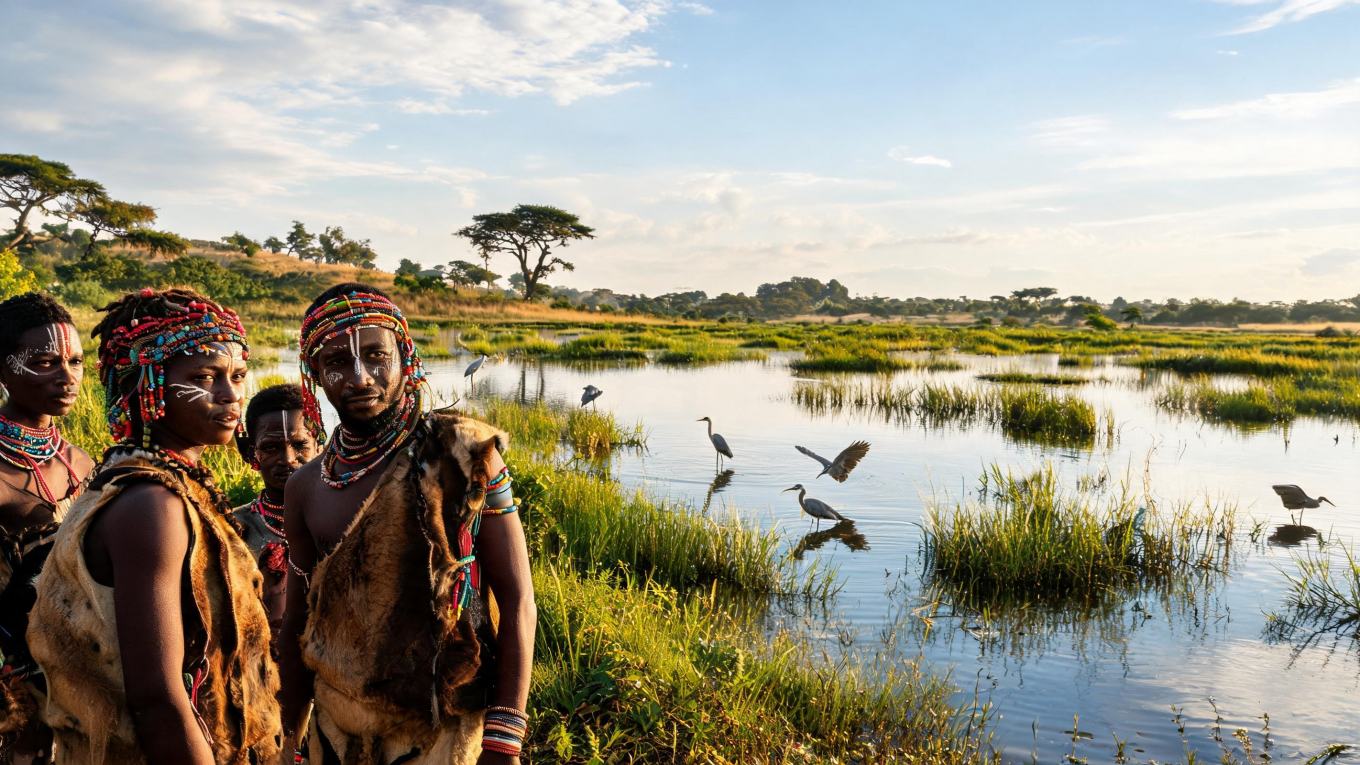
Gambella is located in the southwestern part of Ethiopia, bordering South Sudan. The Baro River, a tributary of the Nile, serves as its lifeline, and it is home to tribes such as the Nuer and Anuak. Here, rainforests and wetlands intertwine, wildlife coexists with tribal culture, earning it the title of "Africa's Last Ecological Paradise."
Best Season: The dry season from October to February offers cool and dry weather, ideal for hiking and tribal exploration. The rainy season from June to September makes roads muddy but allows you to witness the "floating forest" phenomenon created by the flooding Baro River. It is recommended to avoid the short rainy season from March to May due to more mosquitoes and some road closures.
Transportation and In-City Movement
External Transportation
- Flights: Ethiopian Airlines operates direct flights from Addis Ababa to Gambella Airport (GMB), with 2-3 flights per week, taking approximately 1.5 hours. It is advisable to book at least three months in advance, with prices ranging from $300 to $500.
- Land Travel: A long-distance bus ride from Addis Ababa to Gambella takes about 24 hours, with poor road conditions and multiple transfers required. This option is only recommended for budget-conscious travelers with ample time.
In-City Movement
- Renting a Car: Public transportation is scarce in Gambella, so it is recommended to book a four-wheel-drive off-road vehicle through the HeraGuide certified local guide platform. Daily rental costs range from $80 to $120 (including driver and fuel), allowing access to remote tribes and wetlands. The platform offers both competitive bidding and fixed-price options, ensuring transparency without hidden fees.
- Motorcycles: For short distances, local motorcycles can be rented at around $10 per day. However, caution is advised due to safety concerns, especially during the rainy season when roads are slippery.
Must-Experience Attractions (by Region)
Surroundings of Gambella Town
- Baro River: A tributary of the Nile, the river offers opportunities to spot hippos and crocodiles during the dry season via canoe. During the rainy season, it transforms into a "floating forest" landscape. It is best to visit in the early morning or late afternoon when the light is soft and animals are more active.
- Gambella Market: Experience the daily trading activities of the Nuer and Anuak tribes, where handmade crafts, spices, and fish are sold. Be respectful of local customs and avoid directly photographing people's faces.
Tribal Culture Zones
- Nuer Villages: Characterized by elevated thatched huts and cattle herds, males display facial scars as a rite of passage into adulthood. Visitors can participate in traditional dance performances, which require prior coordination with village elders through the HeraGuide platform, with a cultural experience fee of approximately $20 per person.
- Anuak Settlements: Known for fishing and hunting, the Anuak tribe excels in wood carving and weaving. A visit to the "Crocodile Totem Pole" is highly recommended to learn about their belief system. Some villages allow overnight stays, but visitors must bring sleeping bags and mosquito repellent.
Natural Reserves
- Gambella National Park: The last migration site of the White-eared Kob in Africa, this park hosts millions of wildebeest and antelope crossing the Baro River between November and January. There are no accommodations within the park, so visitors must either return on the same day or camp (with a guide).
- Magadi Wetlands: A haven for birdwatchers, hosting over 400 species, including the endangered Shoebill Stork. It is recommended to bring binoculars and a telephoto lens, with the best photography results achieved in the early morning.
Local Cuisine
- Injera with Fish Sauce: The staple food of Ethiopia, Gambella's version features a sauce made from fresh Baro River fish, offering a tangy and spicy flavor. Recommended at "River View Restaurant" in the town center, with an average cost of $3 per person.
- Kita with Beef: A traditional dish of the Anuak tribe, consisting of dough made from cassava flour cooked slowly with beef, served with chili sauce. This dish is typically enjoyed during tribal visits and requires prior booking.
- Baro River Fish: Freshly caught and grilled, these fish are tender and flavorful. "Fishing Hut" near the market offers charcoal-grilled fish paired with local beer (such as Meta Beer), costing around $5 per person.
Recommended Accommodation Areas
- Center of Gambella Town: The only area with proper hotels, recommended is the Gambella Plaza Hotel (mid-range, approximately $60 per night), offering hot water and Wi-Fi, suitable as a base for your itinerary.
- Tribal Homestay Camping: Some Nuer villages allow tent setups, requiring coordination with a guide through the HeraGuide platform, costing about $10 per person per night, with visitors needing to bring their own gear.
- Eco Camps in Wetlands: Such as Magadi Eco Camp (open only during the dry season), offering simple wooden cabins and guided tours, priced at $80 per person per night, including meals and activities.
3-Day Itinerary Suggestion
Day 1: Initial Cultural Exploration in Gambella Town
- Afternoon: Arrive in Gambella, check into a hotel in the town center, and acclimate to the climate.
- Evening: Visit the Gambella Market to purchase handicrafts; head to the Baro River for a boat tour to see hippos.
- Night: Enjoy Injera with fish sauce at "River View Restaurant," followed by a performance of tribal dances.
Day 2: Deep Dive into Tribal Culture
- Afternoon: Drive to Nuer villages to learn about the rite of passage involving facial scars, and watch traditional dances.
- Evening: Visit Anuak settlements to learn wood carving and weaving, and taste Kita with Beef.
- Night: Return to the town center and dine at "Fishing Hut" for charcoal-grilled fish and beer.
Day 3: Nature and Ecology Exploration
- Morning: Head to Magadi Wetlands to photograph Shoebill Storks and other birds.
- Afternoon: Enter Gambella National Park to track the White-eared Kob migration (seasonal).
- Evening: Return to the town center, shop for souvenirs, and catch a flight back.
Budget and Tips to Avoid Pitfalls
Budget Reference (3 Days/Person)
- Mid-Range: Round-trip flights (Addis Ababa to Gambella) ~$600 + 2 nights at a mid-range hotel in town center ~$120 + car rental and activities ~$400 + meals ~$100 = Total ~$1,220.
- Economy: Land travel round-trip (Addis Ababa to Gambella) ~$100 + 2 nights of homestay camping ~$20 + public transport and basic meals ~$80 = Total ~$300 (requires sacrificing comfort and time).
Tips to Avoid Common Mistakes
- Safety First: Avoid traveling alone, especially at night. When visiting tribes, always have a guide accompany you, and refrain from taking photos of people without permission.
- Health Precautions: Bring anti-malaria medication, high SPF sunscreen, and mosquito repellent. Only consume bottled or boiled water.
- Respect Local Culture: Avoid touching others' heads, and women should refrain from wearing short skirts. When accepting food, use your right hand.
- Selecting a Guide: Choose certified local guides through the HeraGuide platform, check user reviews, and avoid unlicensed guides who may overcharge.


