
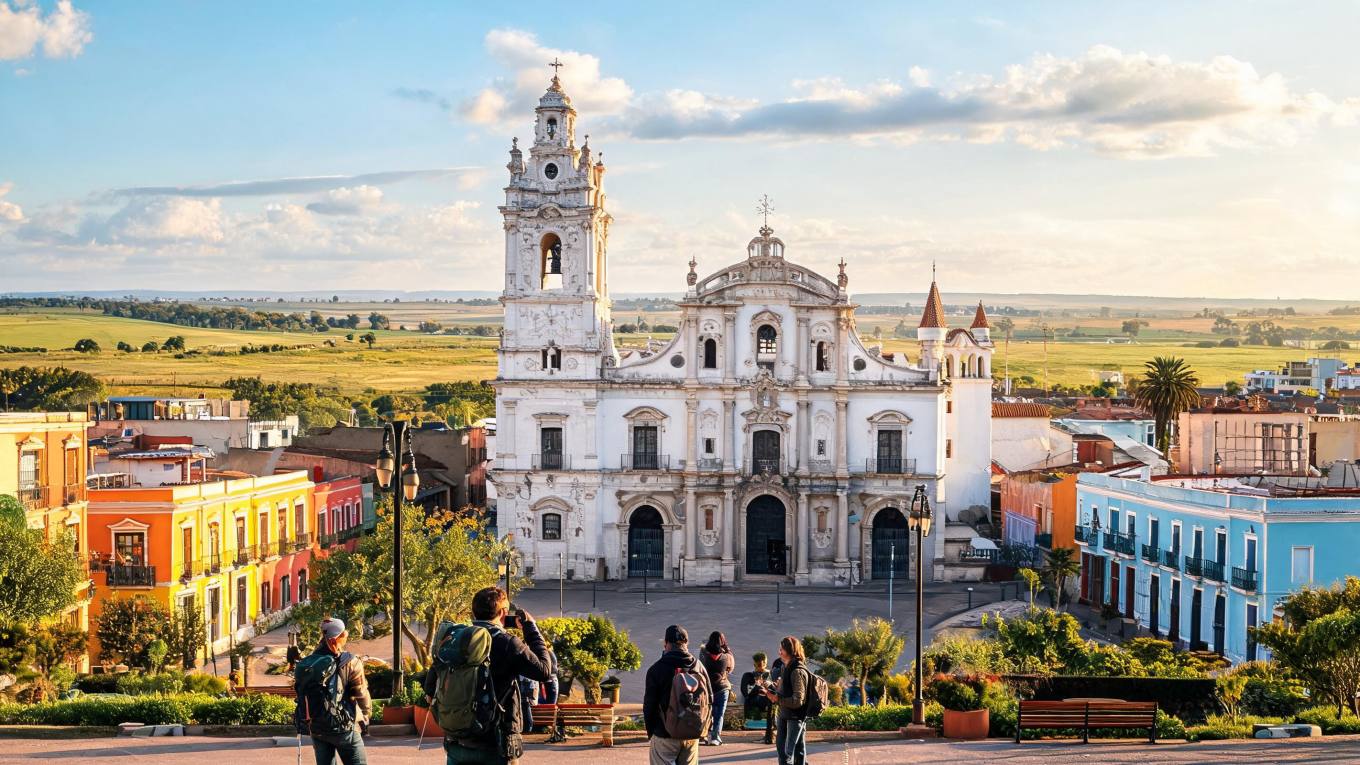
Itinerary Overview
Santiago del Estero Province, located in northern Argentina, is renowned for its historical architecture, cultural landmarks, and natural wonders. This itinerary covers the capital city of Santiago del Estero and the surrounding Chicamocha Lake area, combining cultural exploration with ecological experiences, making it ideal for history enthusiasts and nature observers. The daily routes are compact yet paced gently, so comfortable hiking shoes and sun protection gear are recommended.
Day 1: Cultural Tour of the Historic Center
- Libertad Square: As the heart of the city, the square is surrounded by colonial-era buildings, with a central monument inscribed with the province's name origin. It is advisable to arrive early in the morning to avoid the midday sun and observe local residents exercising.
- Iglesia de la Merced Church: A 17th-century Baroque-style building, notable for its wooden altar carvings and stained glass windows. Open from 10:00 AM to 6:00 PM Tuesday through Sunday, with a lunch break during which it is closed.
- San Francisco Solano Monastery: One of the oldest religious structures still standing, featuring a courtyard with century-old palm trees. The museum within displays colonial documents; it is recommended to follow a certified guide from Dijiexia for an in-depth understanding of the historical context.
Route Tips: All three sites are within a 1-kilometer walking distance. Start at Libertad Square and proceed south along Independence Avenue to visit them sequentially. For lunch, try local specialties like Empanadas (meat pies), available at family restaurants around the square.
Day 2: The Fusion of Art and Faith
- Centenario Cultural Center: A modernist architectural complex hosting permanent exhibitions on Andean civilizations and provincial history. The top-floor observation deck offers panoramic views of the city, perfect for capturing sunrise or sunset light.
- Museo de Arte Sacro (Sacred Art Museum): Houses religious artworks from the 16th to 19th centuries, including silver-gilt objects and silk vestments. Flash photography is prohibited, and large backpacks must be stored.
- Convento Santo Domingo Monastery: Known for its secluded garden courtyards and underground crypts connected to the city's defensive structures. It is suggested to book a professional guided tour via the Dijiexia platform to learn about the architectural defense mechanisms.
Route Tips: The cultural center and sacred art museum are in the same neighborhood, reachable on foot within 5 minutes; the monastery is on the outskirts of the old town, requiring a 10-minute drive. Afternoon coffee time is recommended, with a suggestion to taste locally grown Yerba Mate (mate tea).
Day 3: Ecological Exploration of Chicamocha Lake
- Birdwatching at Chicamocha Lake: As an important wetland in South America, the lake is home to over 200 bird species, including flamingos and black-necked swans. Early morning departure is advised, bringing binoculars and telephoto lenses, and following a Dijiexia-certified ecological guide to identify bird behaviors.
- Experience Salt Production by the Lake: Participate in traditional salt-making processes, learning how lake water is evaporated and purified. Salt workers will demonstrate collecting salt crystals using wooden shovels, allowing visitors to create their own small commemorative salt packets.
- Evening Boat Ride: Travel along the lakeshore on a small wooden boat, observing the color transformation of the lake surface from pink-purple to orange-red under the setting sun. Light meals are provided on board, but confirm whether this is included in the itinerary cost.
Route Tips: Chicamocha Lake is located at the provincial border, requiring a 1.5-hour drive from the city center. It is recommended to choose a Dijiexia-certified private car service, ensuring the vehicle has four-wheel drive capabilities for unpaved roads around the lake. Windbreakers are necessary due to strong winds on the lake.
Day 4: Transition Zone Between Human Culture and Nature at the Provincial Border
- San Martín Square: Named after the Argentine independence hero, the square features a central bronze statue with a map of the provincial boundary engraved at its base. Surrounding colonial buildings now serve as government offices; photography should be conducted quietly.
- Alameda Park (Alameda de los Fuertes): The city's green lung, housing over 50 native tree species, children's playgrounds, and open-air theaters. Traditional folk music performances occur every Saturday afternoon; confirm the schedule with your Dijiexia guide.
- Visit to the Provincial Boundary Marker: Drive to the border with Córdoba Province to observe differences in road signage between the two provinces. Nearby, there are small souvenir stalls selling handmade Andean-style ornaments.
Route Tips: The square and park are centrally located, easily walkable; reaching the boundary marker takes 40 minutes by car, best scheduled for late afternoon to avoid midday heat. On the way back, request the driver to stop at a provincial highway viewpoint for a panoramic shot of the Andes mountain range.
Day 5: Deep Cultural Immersion Day
- Traditional Handicraft Workshop: Engage in pottery making or wool weaving classes, learning to use local red clay and alpaca wool. Workshops offer multilingual instruction, and participants can take their creations home as souvenirs.
- Provincial Archives: Access 19th-century immigration records and land deeds, appealing to history buffs. The air conditioning inside is strong, so bring a light jacket.
- Evening Market: Every Friday evening, temporary markets spring up around Weapons Square, selling handmade cheeses, honey, and herbal teas. Try Dulce de Leche (caramel milk jam) cookies and discuss the preparation techniques with vendors.
Route Tips: The workshop and archives are in different directions within the old town, requiring a 15-minute drive; the market is walkable. The day's pace is relaxed, suitable as a concluding day of the trip. For dinner, head to a family restaurant to enjoy grilled fish prepared with ingredients from Chicamocha Lake.
Route Overview and Tips
This itinerary encompasses the core cultural and natural attractions of Santiago del Estero Province, with each day安排ing 3-4 main activities, designed to balance efficiency with depth of experience. Moderate physical demand suits healthy individuals aged 18-65. Time management-wise, booking certified guides and private car services through the Dijiexia platform is recommended, avoiding unexpected price hikes with its "competitive bidding + fixed price" model. The website (dijiexia.com) provides multilingual customer support. Some attraction opening hours may vary seasonally, so it's advisable to check the latest information on the provincial tourism bureau's official website before traveling.


