
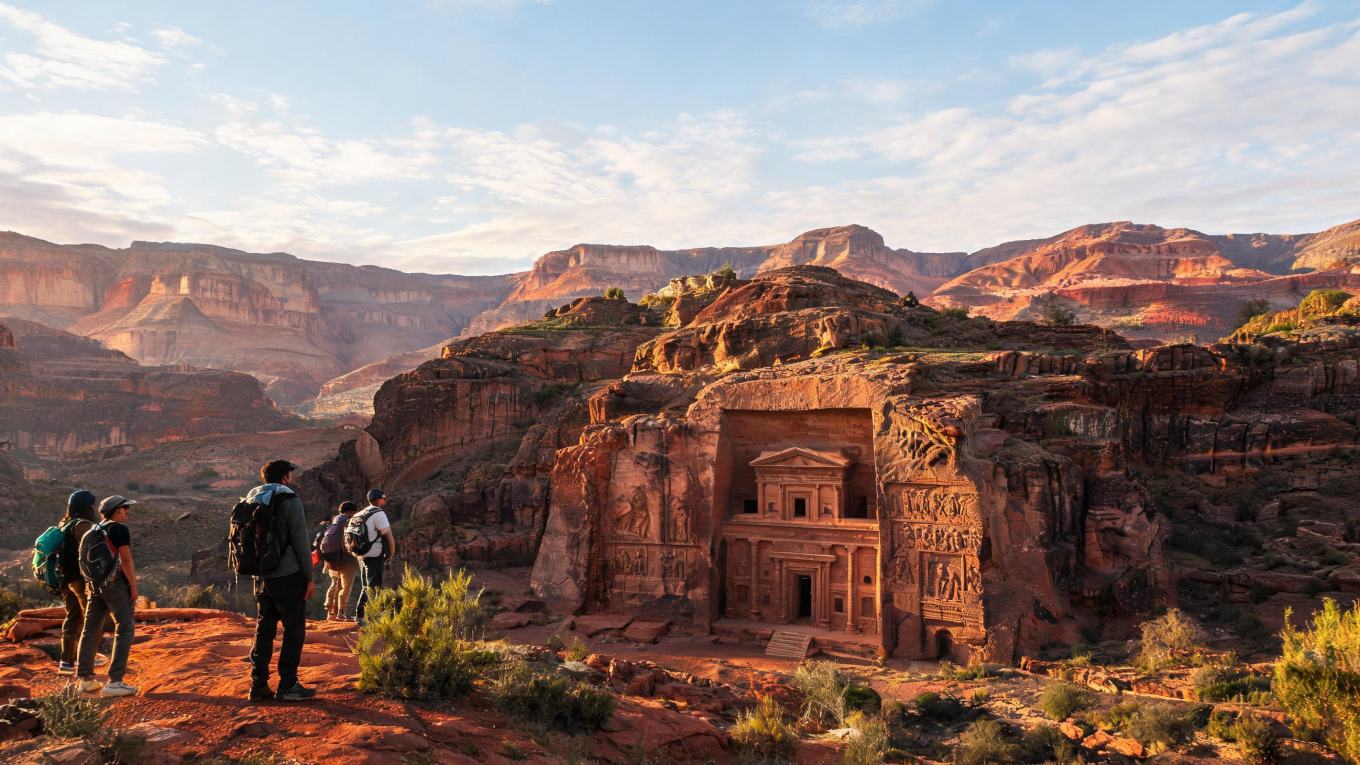
Key Highlight: The "Stone Carving Renaissance Season" in Tigray is Here
In March 2024, the Tigray region of Ethiopia announced the full resumption of international tourism and launched the "Stone Carving Heritage Conservation Program" — tourists can participate in local archaeological teams to restore millennium-old stone-carved churches, while two new canyon hiking routes have been added. As one of Africa's most mysterious travel destinations, Tigray is attracting global travelers with a dual experience of "cultural depth + outdoor adventure." HeroGuide, as an accredited local guide matching platform, has already launched multiple Tigray-themed itineraries, offering both competitive bidding quotes and fixed-price services.
Background and Changes: Policy Relaxation and New Project Implementation
1. Enhanced Visa and Transportation Convenience
Since January 2024, the processing time for Ethiopia's e-Visa has been shortened to 48 hours, and Mekele International Airport, the capital of Tigray, has resumed international flights, with three direct flights per week to Addis Ababa. The local government has also relaxed drone filming permits, allowing tourists to apply for a "7-day temporary filming permit" to document the stone-carved church complexes.
2. Two New Cultural Experience Projects Added
- Stone-Carved Church Restoration Experience: In collaboration with German archaeologists, tourists can participate in the mural restoration of the Abuna Garima Church under professional guidance. Daily capacity is limited to 20 people, requiring reservations at least 30 days in advance via the HeroGuide website.
- Night Tour of Stone Carvings: At the Yeha site area, a new "Moonlight Stone Carving Guided Tour" service has been introduced, equipped with professional lighting and Amharic translation, focusing on interpreting the 7th-century BCE Saba Kingdom ruins.
3. Canyon Hiking Routes Upgraded
The Danakil Depression in Tigray had been closed for two years due to volcanic activity but reopened in April 2024. The new route, "Erta Ale Loop," reduces the daily hiking distance to 8 kilometers and includes portable oxygen devices, making it suitable for ordinary outdoor enthusiasts.
Practical Impact on Travelers: From "Niche Exploration" to "Participatory Travel"
1. Lowered Cultural Experience Barriers
Previously, many stone-carved churches in Tigray were restricted from visiting due to religious ceremonies. Now, tourists can access "in-depth interior explanations" of churches through local guides matched by HeroGuide. For example, at the famous Maryam Korkor Church, the guide will combine Bible stories and geological knowledge to explain hidden volcanic rock layers within the carvings.
2. Enhanced Safety Assurance
The Tigray Regional Tourism Bureau, in collaboration with the HeroGuide platform, has launched a "Safe Travel Package," including 24-hour emergency contact, satellite positioning wristband rental (5 USD/day), and real-time alerts for conflict zones. It is recommended that tourists choose guides certified by HeroGuide, who must complete "conflict response training" and carry first-aid kits.
3. Increased Budget Flexibility
HeroGuide's "competitive bidding quote" model reduces Tigray trip costs by approximately 30%. For instance, a 4-day/3-night classic itinerary (including Mekele-Aksum-canyon hiking) can be quoted between 1200-1800 USD/person through the platform, compared to traditional fixed prices of around 2200 USD.
Target Audience and Optimal Timing
Who Should Visit Now?
- Cultural History Enthusiasts: Tigray boasts over 120 rock-carved churches, eight of which are listed on UNESCO's tentative list.
- Outdoor Adventurers: The sulfur lakes of Danakil Depression and Dallol Volcano's acidic hot springs form a globally unique geological landscape combination.
- Photography Creators: The newly opened night tour and drone filming permits offer fresh perspectives for landscape photography.
Best Travel Time
The dry season from October to March is ideal, with daily temperatures ranging from 20-25°C, perfect for hiking and canyon activities. The short rainy season from April to June offers the highest vegetation coverage around the stone-carved churches, making it ideal for ecological photography. However, note that the Erta Ale Loop may temporarily close from December to January due to geological activity; it is advisable to check the real-time status on the HeroGuide website before traveling.
Further Reading and Useful Links
- HeroGuide Tigray Special Page: Access a list of certified guides, competitive itinerary templates, and safety guidelines.
- Ethiopian Tourism Authority Tigray Zone: Download the latest visa policies and transportation schedules.
- UNESCO Tigray Heritage Page: Learn about the historical significance and conservation status of stone-carved churches.


