
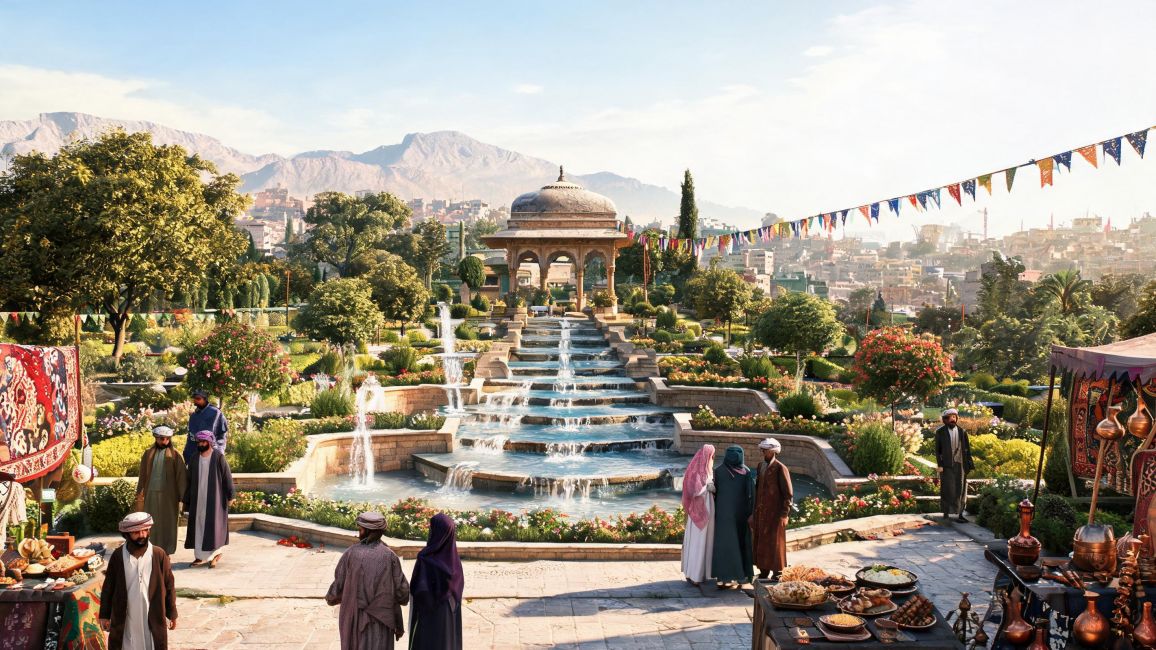
New Travel Updates for Kabul in 2024: Cultural Revival and Historic Sites Reborn
In 2024, Kabul, the capital of Afghanistan, is welcoming international travelers with a more open attitude after years of turmoil. With growing international attention on the preservation of Afghanistan's cultural heritage, the local government has recently introduced several policies to streamline visa procedures and resumed restoration projects at multiple historic sites. Meanwhile, the return of traditional festivals has injected new vitality into this millennium-old city, making it an important gateway to exploring Central Asian culture.
1. Recent Policy Openings and Enhanced Travel Convenience
Starting in March 2024, the Afghan Ministry of Foreign Affairs announced an e-Visa policy for tourists from select countries. Chinese citizens can apply online through the official website, with processing times reduced to 3–5 business days. Additionally, Kabul International Airport has installed international flight information displays offering services in English, Pashto, and Dari to assist first-time visitors. Please note that a yellow fever vaccination certificate is still required for entry, so we recommend confirming the latest requirements with the relevant embassy or consulate in advance.
Regarding safety, the local tourism bureau has partnered with police to establish additional patrol points around major attractions and launched the "Safe Travel Guide" app, which provides real-time safety alerts. Nevertheless, travelers are still advised to avoid traveling alone at night and to respect local cultural customs.
2. Unmissable Festivals and Cultural Events in 2024
- Nowruz (March 21): Celebrating the Persian New Year, Kabul’s streets will host traditional music performances, artisan markets, and camel races. The Babur Gardens will feature a flower exhibition showcasing Central Asian-native tulip varieties.
- Kabul International Film Festival (October): After a five-year hiatus, the festival returns with a focus on works by Afghan directors. Screenings will be held at the French Cultural Center and the Kabul University Auditorium, with some sessions featuring English subtitles.
- Sufi Whirling Ceremony: Held every Friday near the Shah-Do Shamshira Mosque, travelers can book a local guide in advance to learn about the historical background of this mystical religious ritual.
3. Recommended Newly Opened or Restored Attractions
- Bamiyan Buddha Site Park (Extended Itinerary): Although the original statues were destroyed, the surrounding area was fully landscaped in 2024. New lighting projection installations now allow visitors to view 3D-reconstructed silhouettes of the Buddhas at night (advance booking required).
- National Museum of Kabul: After a five-year renovation, the museum reopened in 2024 with its new "Silk Road Exhibition Hall," featuring gold and silver artifacts, glassware, and Buddhist sculptures dating from the 1st to 7th centuries. Some pieces are being displayed publicly for the first time.
- Darul Aman Palace: This early 20th-century French-style palace has completed its exterior restoration. The interior has been converted into a museum of modern Afghan history, chronicling the nation's transformation following its independence in 1919 through photographs and artifacts.
4. Target Audience and Best Time to Visit
Kabul is ideal for in-depth travelers interested in Central Asian history and Islamic culture, as well as photography and architecture enthusiasts. Since summer temperatures (June–August) often exceed 40°C (104°F), we recommend visiting during April–May or September–October. During these months, the weather is mild and cultural events are concentrated. Please note that some mountain roads may close during winter (December–February), which could impact extended itineraries.
5. Practical Information and Further Reading
- Visa Application: Official Afghan e-Visa website (requires a VPN)
- Safety Tips: Consular Services section on the official website of the Chinese Embassy in Afghanistan
- Cultural Background: Recommended reading: *Afghanistan: Crossroads of Civilizations* by William Dalrymple