
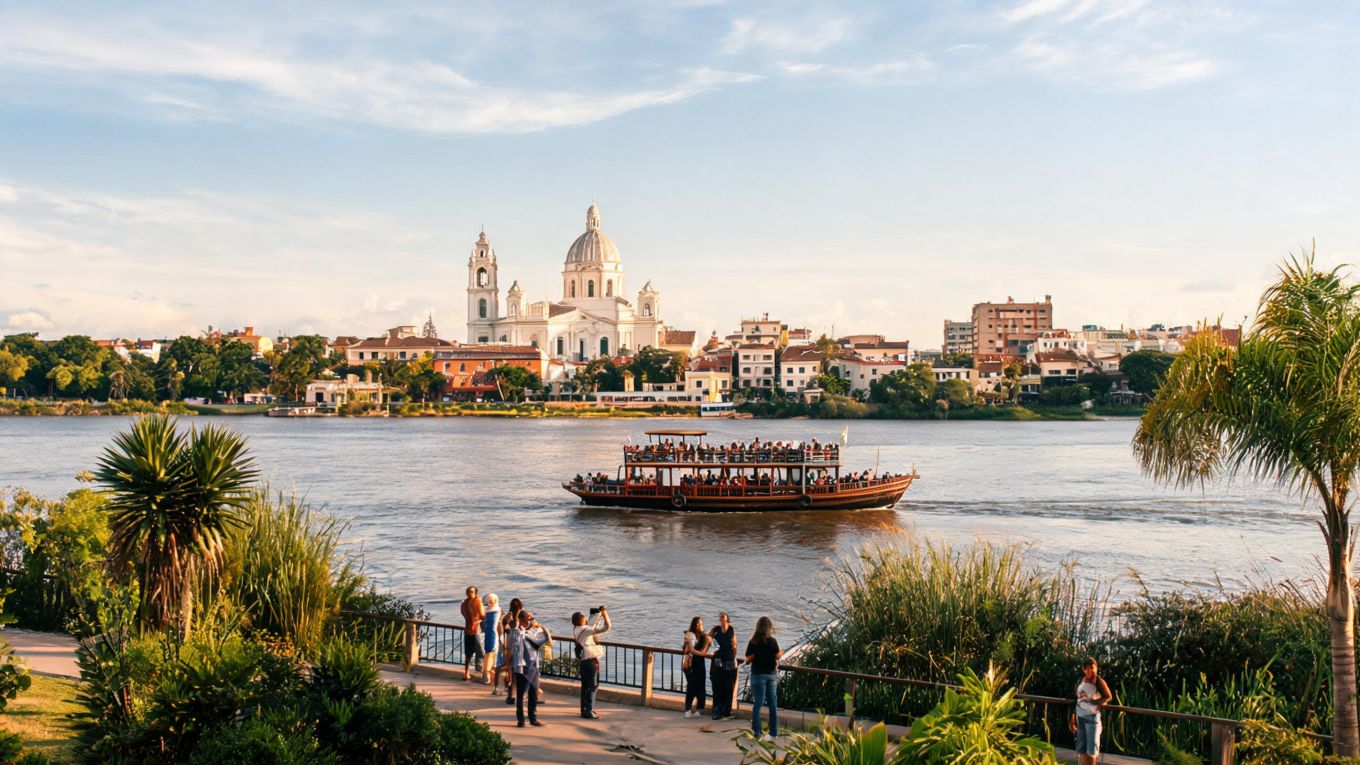
South America-Argentina-Corrientes

2026 Corrientes, Argentina: New Travel Opportunities Amid the Zero-Tariff Policy and Cultural Extravaganza

In 2026, Corrientes, Argentina, is emerging as a new hotspot for South American travel thanks to its new zero-tariff policy and ecological restoration projects. Experience electric car self-driving, wetland birdwatching, and a century-old barbecue culture, while avoiding the crowds for a truly immersive travel experience.

地接侠·2026-07-12
2026 Corrientes, Argentina: New Travel Opportunities Amid the Zero-Tariff Policy and Cultural Extravaganza

Key Highlights: Zero-Tariff Policy Takes Effect, with Upgrades in Cultural Events and Ecological Experiences

In 2026, Corrientes, Argentina is rapidly becoming a top destination for travelers across South America, driven by a dynamic mix of "zero-tariff incentives, vibrant cultural celebrations, and ecological restoration." Situated at the confluence of the Paraná and Paraguay rivers, this port city has not only risen to prominence through China-Argentina clean energy partnerships but also offers a prime vantage point for witnessing how South America’s shift toward new energy integrates with its rich local traditions, all bolstered by the Argentine government’s zero-tariff policy on electric vehicles.

Background & Changes: Driven by Policy Benefits and Ecological Restoration

1. Zero-Tariff Policy Unlocks Travel Spending Potential

Starting in January 2026, Argentina will implement a zero-tariff policy for 50,000 electric and hybrid vehicles, valid until the end of 2029. This policy has directly spurred Chinese automakers like BYD to expand charging infrastructure in Argentina—for instance, BYD is partnering with Argentine energy company YPF to build 200 charging stations in cities such as Buenos Aires and Córdoba. As a key hub in the Paraná River basin, Corrientes has been included in the initial rollout plan. For travelers, this means renting an electric vehicle to explore the Iberá Wetlands or drive along the river will be more convenient, with significantly reduced charging costs.

2. Post-Disaster Ecological Restoration Sparks New Travel Programs

In 2024, Corrientes was hit by a once-in-a-century flood, with daily rainfall reaching 300 mm and causing widespread transportation disruptions. In the aftermath, the Argentine government, alongside international organizations, launched the "Paraná River Ecological Corridor" restoration plan, focusing on rehabilitating wetland bird habitats and riparian vegetation. The Costanera Corrientes waterfront promenade has now been fully rebuilt. This 2.5-kilometer riverside trail features newly added bird-watching platforms and an ecological education center, where visitors can observe species such as flamingos and otters, or join wetland guided tours organized by the National University of the Northeast.

3. Cultural Event Density Reaches Record High

2026 marks the 210th anniversary of Argentina's independence, and as a major cultural hub in the northeast, Corrientes will host numerous national celebrations. For example, the annual February "Asado con Cuero National Festival" will feature massive grills along the waterfront promenade roasting over 10,000 kilograms of meat, allowing travelers to savor the traditional Argentine technique of slow-roasting whole cattle with the skin on. Meanwhile, the annual January "Asado and Empanada Festival" brings together barbecue masters from Buenos Aires and Corrientes Province to compete for the title of "Best Grill Master," complete with folk dance performances and empanada-making workshops.

Practical Impact for Travelers: Enhanced Experiences and Optimized Costs

1. Reduced Transportation Costs and Increased Itinerary Flexibility

The zero-tariff policy has indirectly driven down domestic car rental prices in Argentina. Taking the BYD Yuan Pro as an example, its hybrid version's price in Argentina has dropped by approximately 35% due to tax exemptions, with daily rental rates expected to fall from $120 to under $80. Additionally, three international airports and nine domestic airports within Corrientes Province have resumed international routes. Direct flights from Buenos Aires to Corrientes now take just 1.5 hours, saving 40% of the previous travel time.

2. Deeper Cultural Experiences Away from Crowds

Compared to popular destinations like Buenos Aires, Corrientes' Independence Day celebrations focus more heavily on local culture. While official events at the Palermo Polo Club draw over 8,000 attendees, Corrientes' "Chamamé Music Festival" centers around intimate outdoor concerts where travelers can dance tango and Andean folk tunes alongside locals without paying steep ticket prices. Data shows that tourist density in Corrientes in July 2026 will be only one-third that of Buenos Aires, making it ideal for travelers seeking a quieter cultural experience.

3. Diverse Ecological Travel Options Ideal for Families and Educational Groups

Iberá Wetlands Park is just a one-hour drive from downtown Corrientes. Its "Night Wildlife Observation" program has added new viewing spots for otters and night herons following post-disaster ecological restoration. For families traveling with children, the National University of the Northeast offers the "Wetland Guardians" educational program in both Chinese and English, covering topics like wetland conservation and bird identification. Course fees are included in the park admission ticket (approximately $15 per person).

Target Audience & Best Time to Visit

1. Recommended For

  • New Energy Enthusiasts: Visit BYD charging station construction sites to learn about South America's new energy infrastructure layout;
  • Cultural Immersion Travelers: Escape the crowds of Buenos Aires and experience authentic Argentine barbecue culture and Chamamé music;
  • Educational Travel Families: Participate in wetland restoration projects and observe real-world examples of post-disaster ecological recovery.

2. Best Time to Visit

August to October 2026 is the golden travel window for Corrientes: flood risks are at their lowest, average daily temperatures range from 20–25°C, making it ideal for outdoor activities; plus, the buzz from the February "Asado con Cuero National Festival" and July Independence Day celebrations lingers, keeping cultural event density high. If you prefer wildlife observation, we recommend visiting from November to January, when the bird migration season in the Iberá Wetlands peaks.

Useful Links & Further Reading Recommendations

Explore more of China

Plan your trip with our practical guides — and travel with a trusted local.

Post Your Trip — Free