
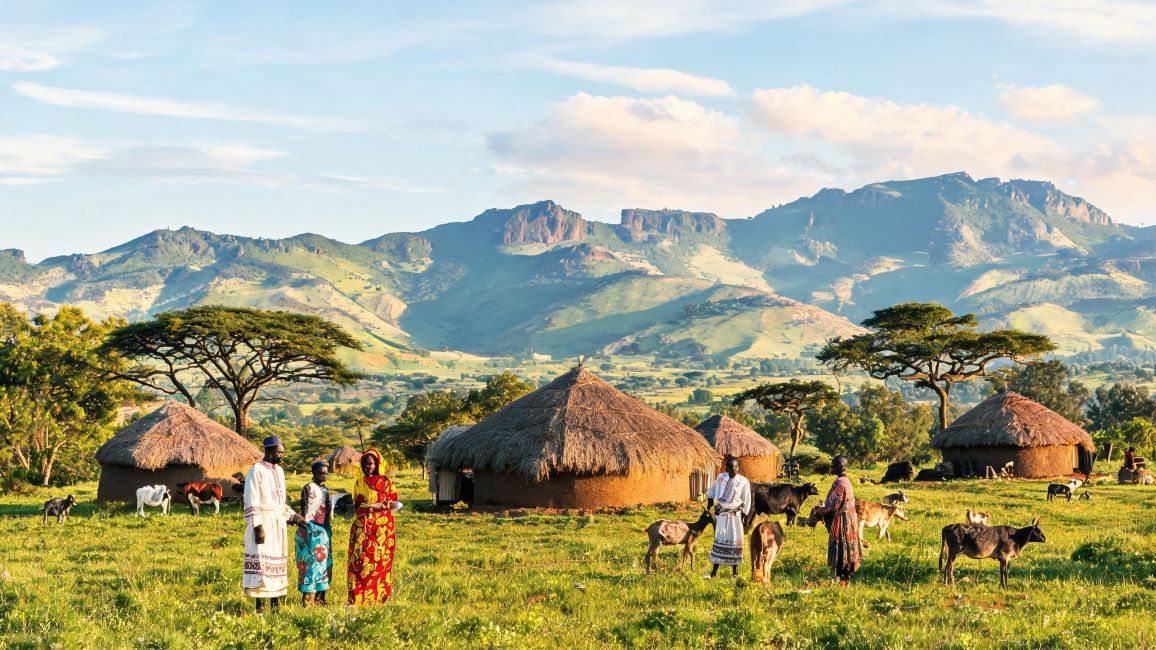
Pre-travel Checklist: Avoid Pitfalls Accurately, Start with the List
The Oromia Region, as the largest region in Ethiopia by area, boasts unique natural landscapes and cultural charm. However, pre-travel preparations must balance safety and efficiency. It is recommended to bring the following items:
- Clothing: The climate in the Oromia Region is diverse. In the central and southern highlands (such as Adama City), there is a significant temperature difference between morning and evening, so it is advisable to pack windproof jackets. In the western Wolega region, the rainy season is long, so it is recommended to carry waterproof hiking shoes and quick-dry clothing.
- Health Protection: In addition to the yellow fever vaccine (not mandatory but recommended), it is necessary to prepare antimalarial medication (such as doxycycline) and mosquito repellent. Medical resources are limited locally, so it is recommended to carry common medicines.
- Document Backup: Copies of your passport, visa page, and emergency contact information should be stored separately, and scanned into the cloud (such as Google Drive).
Visa and Documents: Visa on Arrival vs. E-visa, How to Choose?
Chinese citizens traveling to the Oromia Region must first enter Ethiopia. The visa policy is as follows:
- Visa on Arrival: Available at Bole International Airport in Addis Ababa, costing $60 (cash/Visa card accepted). A hotel reservation (including address and phone number) and a round-trip flight itinerary are required. Note: The Visa on Arrival counter and e-visa channel are separate, so follow the Chinese signage to the "Visa on Arrival" area.
- E-visa: Apply through the Ethiopian Immigration Bureau's official website. Single entry for up to 30 days, costing $52 (including service fee), with an approval time of about 3 working days. The e-visa is suitable for those with confirmed itineraries, avoiding airport queues.
- Special Reminder: If planning to visit border areas between the Oromia Region and the Somali Region (such as Eastern Wolega), it is recommended to check the federal government's security announcements in advance, as some areas may restrict foreign visitors.
Currency and Payment: Black Market Exchange Rates Can Differ by 40%, How to Save Money?
The local currency is the Ethiopian Birr (ETB), with 1 RMB ≈ 18.8 ETB (May 2025 exchange rate). Payment scenarios and tips are as follows:
- Cash Dominance: US dollars are widely accepted in urban stores, but the exchange rate is poor (1 USD ≈ 29 ETB), while black market rates can reach 1 USD ≈ 38 ETB. It is recommended to exchange money in Chinatown or areas with a high concentration of Chinese people, comparing rates from multiple vendors.
- ATM Withdrawals with UnionPay Cards: Some ATMs in Bole International Airport and urban areas support withdrawals with UnionPay cards, with a single withdrawal limit of approximately 10,000 ETB and a fee of about 2%. Note: Some remote ATMs may run out of cash, so it is advisable to withdraw cash in advance.
- Mobile Payments: Telebirr payments, launched by Ethiopian Telecom, have a high penetration rate in the capital, but in rural areas of the Oromia Region, cash is still predominant. It is recommended to carry small denominations of birr (such as 50 or 100 ETB) for daily expenses.
Communication and Internet: How to Stay Connected in Remote Areas?
Internet coverage in the Oromia Region varies significantly, requiring layered planning:
- Urban Areas: 4G coverage exceeds 70% in major cities such as Adama and Negemot, where you can purchase an Ethio Telecom data card (approximately 300 ETB for 10GB, valid for 30 days), available at airports and urban outlets.
- Rural Areas: The "Signal Upgrade Program" by ZTE and Ethiopian Telecom has covered over 100 low-density areas in the Oromia Region, but some mountainous regions (such as Western Wolega) still rely on 2G networks. It is recommended to download offline maps (such as Maps.me) and cache destination coordinates in advance.
- Emergency Plan: If no internet is available, you can seek help at local churches or government offices (such as Woreda Administration Office), where free Wi-Fi may be provided.
Local Transportation Tips: From Shared Minibuses to Private Charters, How to Travel Efficiently?
Transportation in the Oromia Region primarily consists of buses and private charters, with the following details to note:
- Inter-city Buses: You can take ALSA buses from Addis Ababa to Adama City (approximately 120 ETB per person, journey time 2 hours), purchasing tickets at Merkato Bus Station. Arrive at the station 1 hour in advance to avoid full capacity.
- Rural Transportation: To travel to the western Wolega region, private charter is required. A 4-seater Toyota SUV costs approximately 3,000 ETB per day (including fuel), and it is recommended to use a certified local guide platform like HeroGuide for competitive bidding, which provides driver background checks and trip insurance.
- Safety Tips: Avoid night buses, as some mountain roads lack streetlights and have sharp turns; when chartering a vehicle, confirm whether the driver is familiar with the route (e.g., visiting the Kenni Tantalum Mine requires a special permit).
Safety and Etiquette: Respect Traditions, Avoid Risks
The Oromia Region is predominantly inhabited by the Oromo ethnic group, and the following cultural taboos and safety matters should be noted:
- Greetings: When meeting Oromo people, it is customary to remove your hat and bow, with handshakes lasting about 1-2 minutes. Avoid pulling your hand away hastily. If someone is wearing a "Shama" (traditional shawl), do not step on or sit on it.
- Dietary Taboos: The staple food, injera (sour fermented flatbread), is typically eaten by hand using the right hand. Avoid drinking alcohol openly, as some areas (such as the Guji coffee region) prohibit it.
- Safety Zones: Avoid the border areas between the Oromia Region and the Somali Region (such as Eastern Hararghe), as armed conflicts still occur in these areas as of June 2025. Avoid traveling alone at night, especially in surrounding towns of Adama City.
Common Mistakes for Beginners: These Traps, 90% of Tourists Have Fallen Into
Based on feedback from users of the HeroGuide platform, the following frequent mistakes are summarized:
- Mistake 1: Underestimating Language Barriers: Oromo and Amharic are the main languages in the region, with low English proficiency (especially in rural areas). It is recommended to download the "Ethio Translate" offline translation app or book a bilingual guide through HeroGuide.
- Mistake 2: Over-trusting: Some drivers or merchants may ask for small tips under the guise of "help." It is advisable to clarify service fees in advance (e.g., whether meals for the driver are included in the charter price). HeroGuide offers a fixed-price contract to avoid hidden charges.
- Mistake 3: Ignoring Safety Alerts: The Oromia Region still faces risks of inter-ethnic conflicts in 2025. It is essential to check the "Ethiopia Travel Advisory" website daily for updates and avoid entering red-alert zones.


