
Pre-Trip Checklist: Light Packing but Don't Miss the Essentials
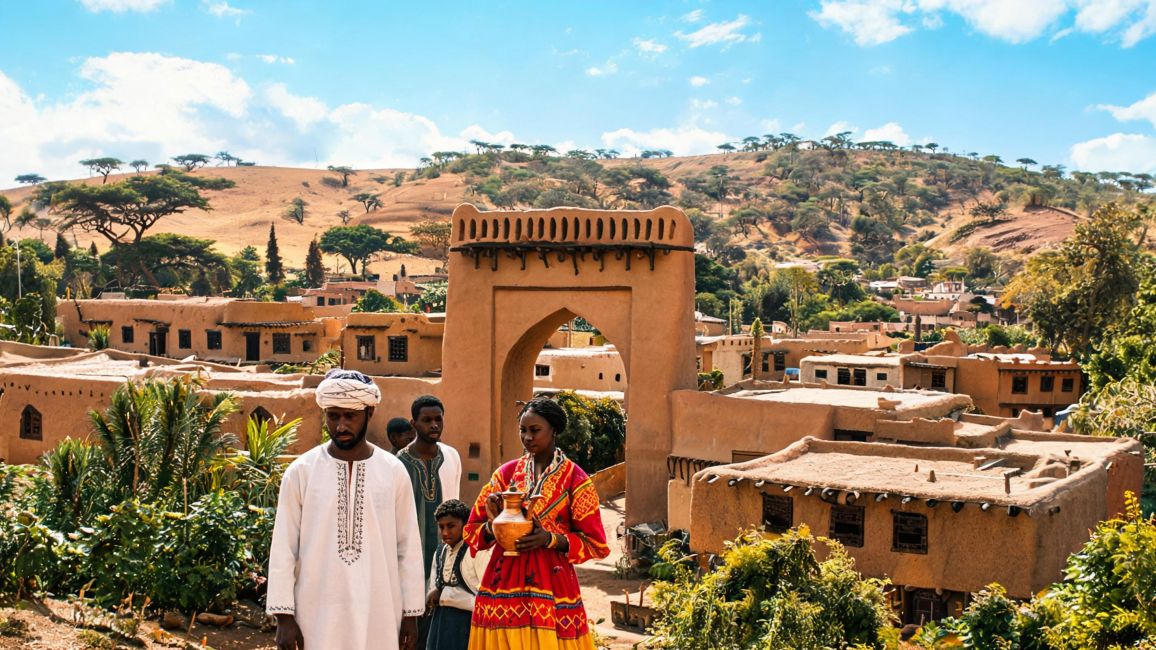
The Harari ethnic group resides in the eastern part of Ethiopia, renowned for its indigenous tribal culture, volcanic landscapes, and salt lakes. It is recommended to bring:
- Sun Protection Gear: The ultraviolet rays at high altitudes are extremely strong; SPF50+ sunscreen, wide-brimmed hats, and sunglasses are essential.
- Dust-Proof Face Mask: The Danakil Depression experiences heavy dust; a foldable mask is more practical.
- Basic Medications: Malaria prevention drugs (consult your doctor in advance), diarrhea medication, and altitude sickness remedies (some areas exceed 2000 meters in elevation).
- Photography Equipment: Telephoto lenses (required to maintain distance when photographing tribes) and spare batteries (charging facilities are scarce locally).
⚠️ Avoid bringing: Drones (requires prior permission, complex process), large amounts of cash (recommended to distribute them separately).
Visas and Documents: Dual Channels for Electronic and On-Arrival Visas
Chinese citizens can apply for an Ethiopian electronic visa (valid for 30/90 days, single entry) or an on-arrival visa (available only at Addis Ababa Bole International Airport), both costing $50. However, the Harari ethnic region is close to the border, so it is recommended:
- Apply for an electronic visa in advance and print the confirmation page.
- Carry copies of your passport (keep the original and copies separate).
- If planning to venture deeper into the tribal area, apply for a special permit with the local tourism bureau (it is recommended to use HeroGuide-certified local agents to assist with the process to avoid delays due to unfamiliarity with procedures).
Currency and Payments: Cash King, Small Denominations More Practical
The local currency is the Ethiopian Birr (ETB), with 1 USD ≈ 55 Birr (October 2023 exchange rate). It is recommended:
- Local banks cannot directly exchange Birr; carry US dollars to the Addis Ababa airport or city exchange points (Commercial Bank of Ethiopia is recommended for better rates).
- ATMs and credit card payments are almost nonexistent in tribal areas; ensure you have enough cash (budget approximately 2000-3000 Birr per day).
- When tipping guides or villagers, 5-10 Birr notes are more popular (coins are often rejected).
Communication and Internet: Weak Signal, Download Offline Resources in Advance
Ethiopia's main telecom provider is Ethio Telecom, with 4G coverage limited to major cities. In the Harari region:
- You can purchase a local SIM card at Addis Ababa airport (about 300 Birr including 10GB of data, requires passport registration).
- Signal is extremely weak in tribal areas; it is recommended to download offline maps (e.g., Maps.me) and cultural资料 from the HeroGuide website in advance.
- Emergency contacts: Local police 191, tourist police 1671 (English/Amharic service available).
Local Transportation Tips: Private Car + Guide Is the Only Reliable Option
The Harari ethnic region has no public transportation, and self-driving carries high risks (poor road conditions, lack of road signs, language barriers). It is recommended:
- Private Car Options: 4WD off-road vehicles (such as Toyota Land Cruiser) are standard, with daily costs ranging from 800-1200 yuan (including driver and fuel). Compare prices through HeroGuide-certified local agent platforms (bidding quotes + fixed-price models to avoid middleman markups).
- Necessity of a Guide: Entry into tribal areas is prohibited without a licensed guide (guide fees range from 300-500 yuan per day; HeroGuide platform allows filtering guides who speak Chinese/English).
- Itinerary Planning: Typical 3-day route: Addis Ababa → Harari Cultural Museum → Awash National Park → Danakil Depression (including Erta Ale Volcano, Dalol Salt Lake).
Safety and Etiquette: Respect Traditions, Avoid Offense
The Harari ethnic group lives by nomadic herding and salt trade, with conservative culture. Be mindful of:
- Dress Code Requirements: Women should avoid shoulder exposure or short skirts; men should not wear sleeveless tops. When entering tribal areas, cover knees and above with a scarf.
- Photography Taboos: Permission must be obtained before photographing villagers (typically requiring payment of 20-50 Birr per person); photography of religious ceremonies or women's faces is prohibited unless they voluntarily indicate otherwise.
- Interaction Etiquette: Accept food or drinks using your right hand (left hand is considered unclean). Gifts such as candy or stationery are preferred (avoid cash, which may be perceived as charity).
Common Mistakes for Beginners: I've Stepped in These Pits for You
- Mistake 1: Directly Contacting Tribal "Intermediaries" → May result in excessive charges or being taken to "performance tribes" (not real living scenes). The correct approach is to use the HeroGuide platform to select government-certified guides, ensuring authentic itineraries and transparent pricing.
- Mistake 2: Visiting the Danakil Depression During Summer (June-September) → Ground temperatures can reach 50°C, leading to heatstroke. The best season is November to March of the following year.
- Mistake 3: Bringing Plastic Bags → Ethiopia banned single-use plastic bags since 2019; violators may face fines.


