
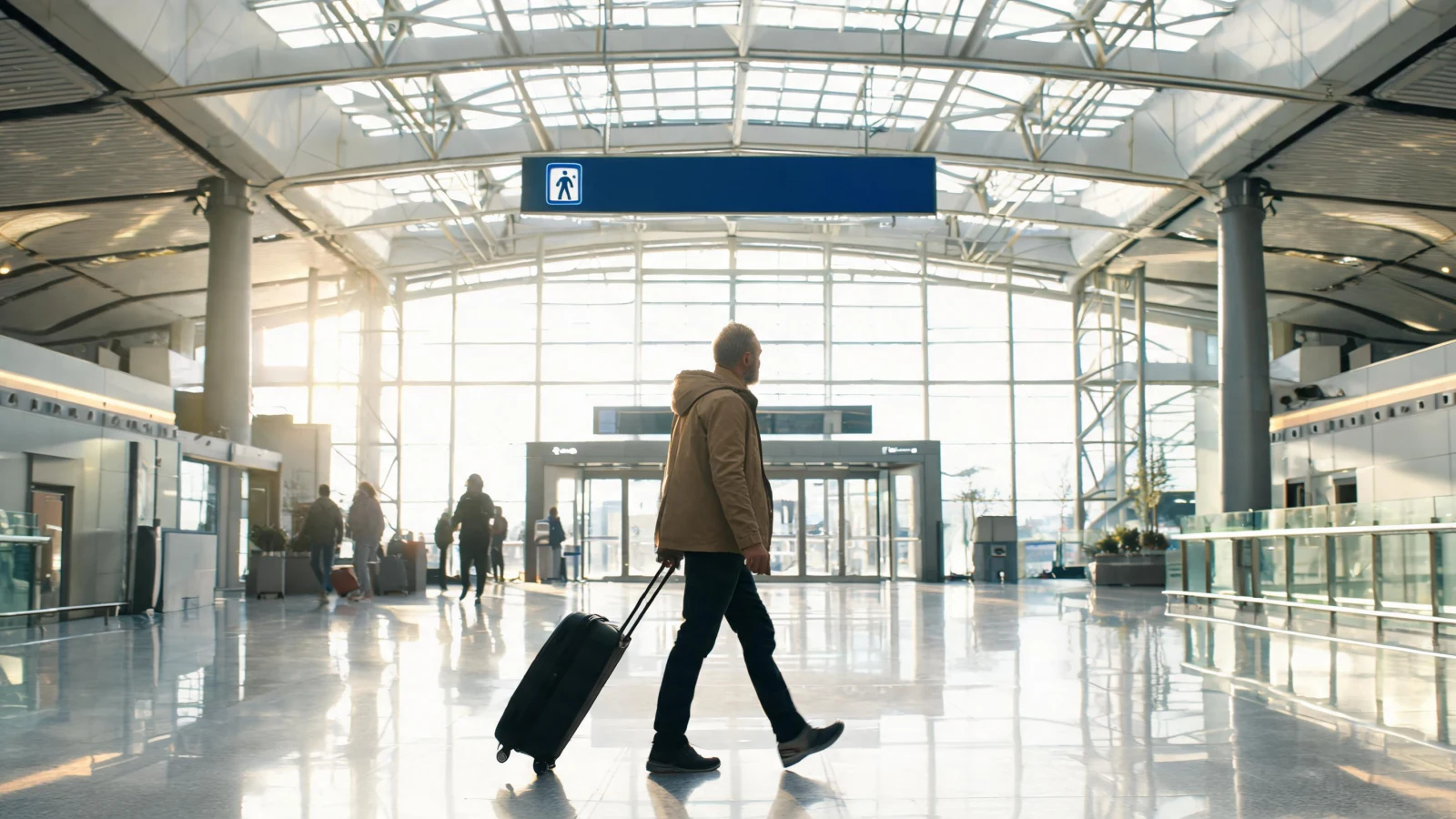
Let's get straight to the conclusion: When you visit China for the first time, what really determines whether your experience is good or bad isn't whether you go to the Great Wall, but rather the first 48 hours after landing—whether you get lost leaving the station, if your mobile payment works, how you order your first meal, and how you safely return to your hotel at night. A guidebook can tell you where to go, but it won't solve on-the-spot issues. An English-speaking local guide for two to four hours is often more useful than saving ten more notes.
Why is the "first time" especially prone to pitfalls?
Chinese major cities have strong infrastructure, but for first-time visitors, there are still several invisible barriers:
- Payment habits: Many restaurants and small shops hardly accept cash, and international cards may not work well either; without linking Alipay/WeChat Pay, even buying water can be troublesome.
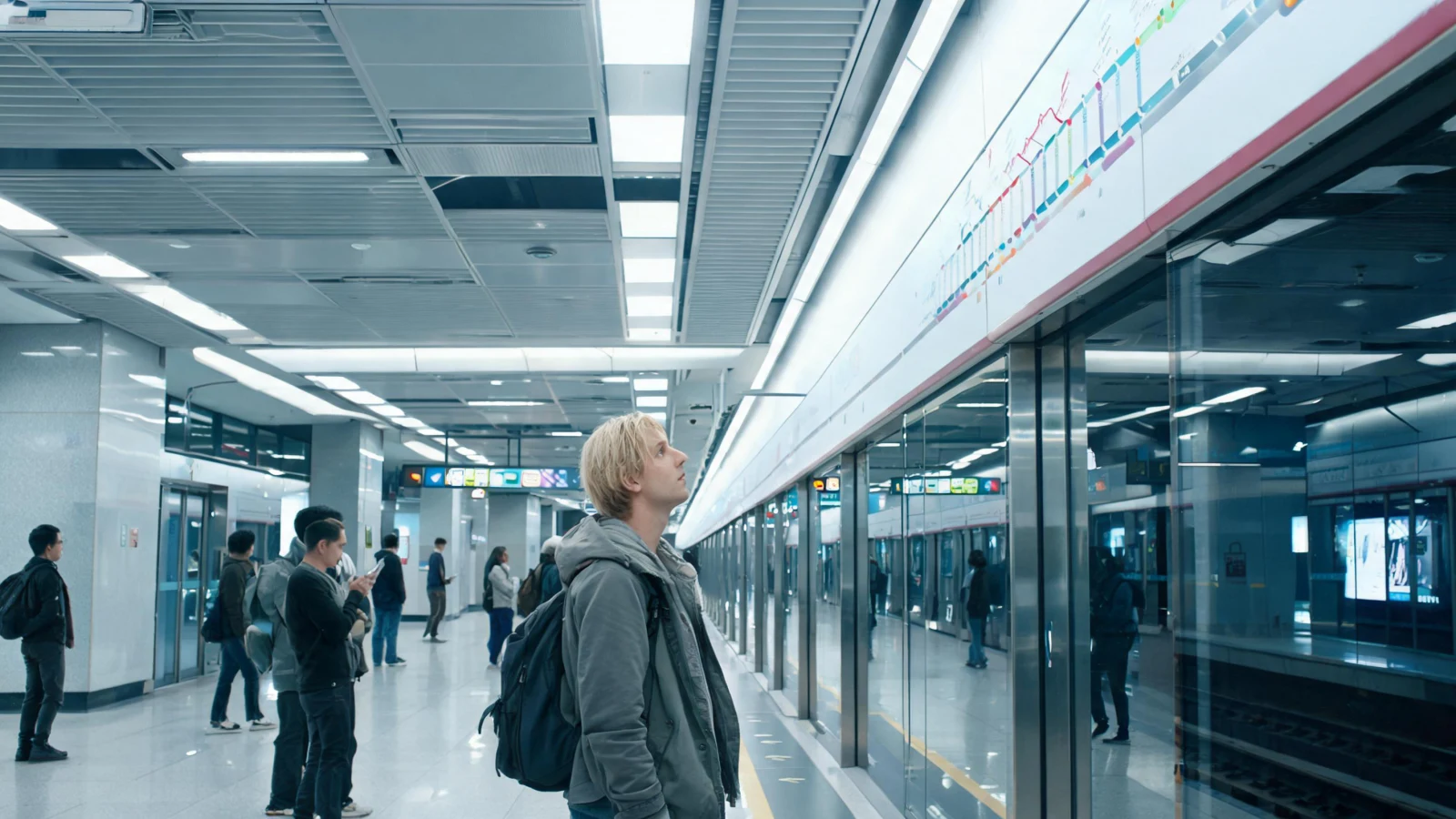
- Language and signage: While subways in major cities have English, streets outside the station, menus, parcel lockers, and hospital call numbers are still primarily in Chinese.
- Information overload: Guides on Xiaohongshu (Little Red Book) and short video platforms often contradict each other, making it easier to spend two hours scrolling on your phone on the first day after landing.
- Safety anxiety: Most cities are actually very safe, but unfamiliar environments can amplify feelings of unease; having an English-speaking local person to guide you can significantly reduce psychological stress.
48 Hours After Landing: A Soft Landing Checklist
Treat the first two days as "getting systems up and running," rather than "checking off all the attractions."
- Exit the station and transportation: Arrange for a pickup or an English-speaking local guide to meet you at the arrival gate in advance; you can also walk to the subway yourself, but carrying luggage during peak hours will be more tiring.
- Payment: Complete the process for foreigners to use Alipay/WeChat Pay on the day of arrival (or prepare a viable international card solution), and try a small transaction at a convenience store first.
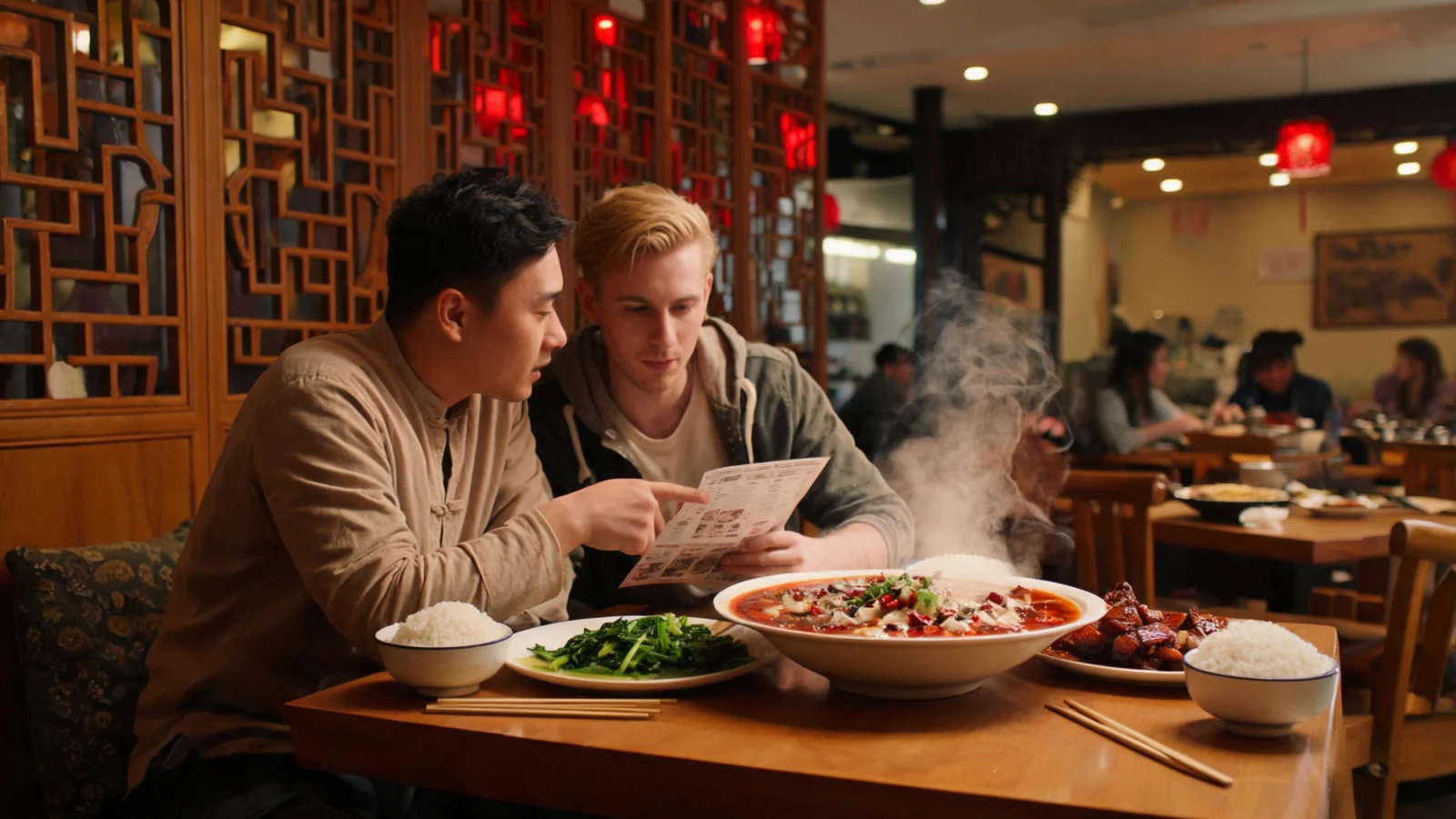
- Your first meal: Don't rush to queue at popular spots right after landing; find a clean local restaurant, learn to order staple food + one dish + water, and build confidence.
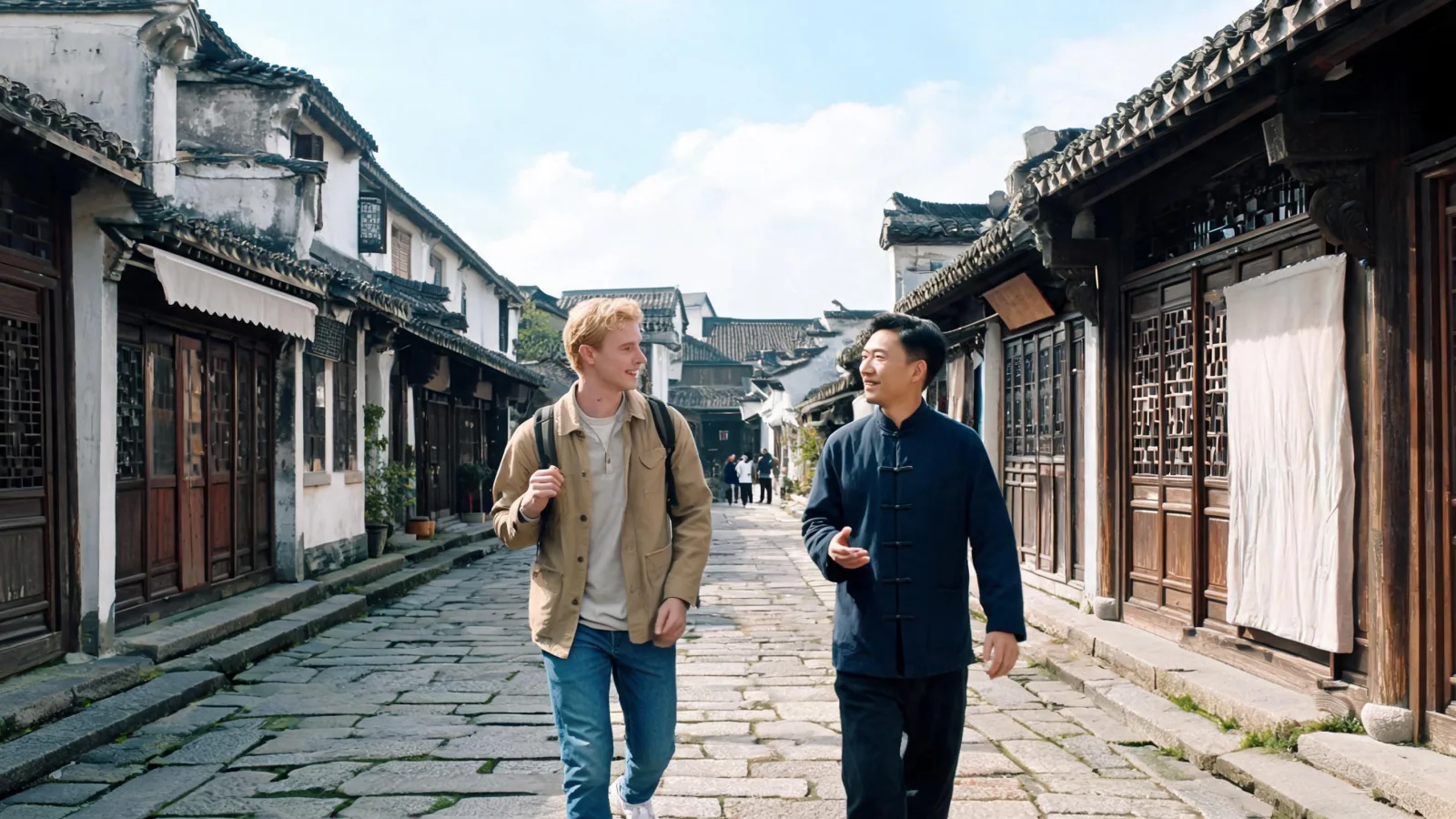
- Direction sense: Spend two hours walking around your hotel area: subway entrance, pharmacy, convenience store, park. Country Walk-style strolling through streets is more "grounded" than rushing to attractions.
- Communication: Confirm that eSIM/migration/wifi at the airport is sufficient; once maps and translation apps work, things will become much easier afterward.
How much does an English-speaking local guide cost per day?
Prices vary depending on the city, language, and whether transportation is included. Below are the common price ranges for 2026 (in RMB, for reference before posting a request, not platform guaranteed prices):
| Service Type | Common Price Range | Who It's Suitable For |
|---|---|---|
| 2-hour walking local guide (no car) | Starting from about 99–300 RMB (starting from half-day experiences) | Soft landing on the first day, old town strolls, assistance with payments and ordering meals |
| Half-day (about 4 hours) English-speaking local guide | 300–700 RMB | Half-day sightseeing + lunch assistance |
| Full-day (about 8 hours) English-speaking local guide + private car | 800–1800 RMB | Inter-city travel, heavy luggage, family trips |
| Airport transfer (within city) | 150–500 RMB | Red-eye flights, large luggage, elderly or children |
Tip: In popular cities like Beijing, Shanghai, Chengdu, and Hangzhou, prices tend to be higher during peak seasons and trade show periods. Generally, services that only involve "on-site explanation without a car" are cheaper. Be sure to ask clearly about: how overtime is charged, whether tickets are extra, and whether the driver's meal is self-funded.
When to hire someone, and when you can explore on your own
Recommended to hire (at least two hours): Red-eye arrival, completely unable to speak Chinese, traveling with elderly or children, tight schedule due to business/meetings, unsure about using Alipay for the first time, wanting to take photos/videos with a local feel.
Can explore on your own: If you've already lived in China, core scenic areas with sufficient English signage for a half-day tour, or if you enjoy "getting lost as part of the journey."
A lot of people find the optimal solution is: Hire a two-hour soft landing guide on the first day → Later days explore by subway + taxi → Use private car bidding for inter-city or complex multi-day trips.
How to find a reliable English-speaking local guide (avoid pitfalls)
- Specify language and purpose: "English-speaking local guide, 2 hours, hotel orientation + first meal + metro practice," which is more likely to match the right person than just writing "guide."
- Check review details: Are they mentioned being punctual, communicative, and not pushing for shopping? Beware of vague five-star reviews.
- Clarify service boundaries: Ticket fees, ticket booking service charges, overtime fees, whether transportation is included—all should be clearly stated in black and white before finalizing the deal.
- Use a trusted channel with mediation: More traceable and provides a path for complaints compared to私下 adding WeChat.
Template for Posting a Request (可以直接复制修改)
When posting a competitive bid or choosing a fixed-price experience on HeroGuide, you can write something like this:
City: Shanghai (or Beijing / Chengdu / Hangzhou)
Date & time: Afternoon of the landing day, 14:00–16:00
Language: English (or English + basic Chinese)
Need: airport→hotel soft landing OR hotel neighborhood walk + Alipay/WeChat help + first meal
People: 2 adults, 1 suitcase each
No shopping stops. Photos OK.
The more specific you are, the closer the quotes will align with your actual needs, and the less likely you'll encounter situations where "you arrive and realize the guide only knows group tour jargon."
Frequently Asked Questions (FAQ)
Can foreigners use international credit cards in China?
Some chain hotels and malls accept them, but street-side eateries, farmers' markets, and small transportation services still heavily rely on mobile payments. Getting Alipay/WeChat Pay set up is the top priority for a smooth landing.
What can you do in two hours?
You can establish a sense of direction, complete a small payment experiment, eat a good first meal, and understand how to enter and exit the subway. Two hours aren't enough to fully explore a scenic area—that's something for a half-day or full-day tour.
Do I need to hire a private car?
Walking + subway within the city is often more efficient. Only consider hiring a private car when you have heavy luggage, are traveling across districts, or have elderly people who move slowly.
Will I be taken to a shopping mall?
Write "No shopping stops" in your request, and confirm the itinerary before finalizing the deal. Be especially cautious of extremely low "all-inclusive" prices, as they may involve hidden commissions or side trips.
How to Get Started
If you're visiting China for the first time (or helping a foreign friend arrange their trip), don't rush to fill your itinerary with attractions right away: treat the first 48 hours after landing as a system debugging period. Choose an "English-speaking local guide" experience on HeroGuide or post a competitive bid specifying the city, time, and language, allowing local guides to quote. Once the soft landing is done, your subsequent independent travel will truly feel free.
Related reading: What are Western young people doing in Chinamaxxing? · How much does an English-speaking guide in Beijing cost per day? · How to post a competitive bid


