Packing Checklist: From Climate to Essential Items
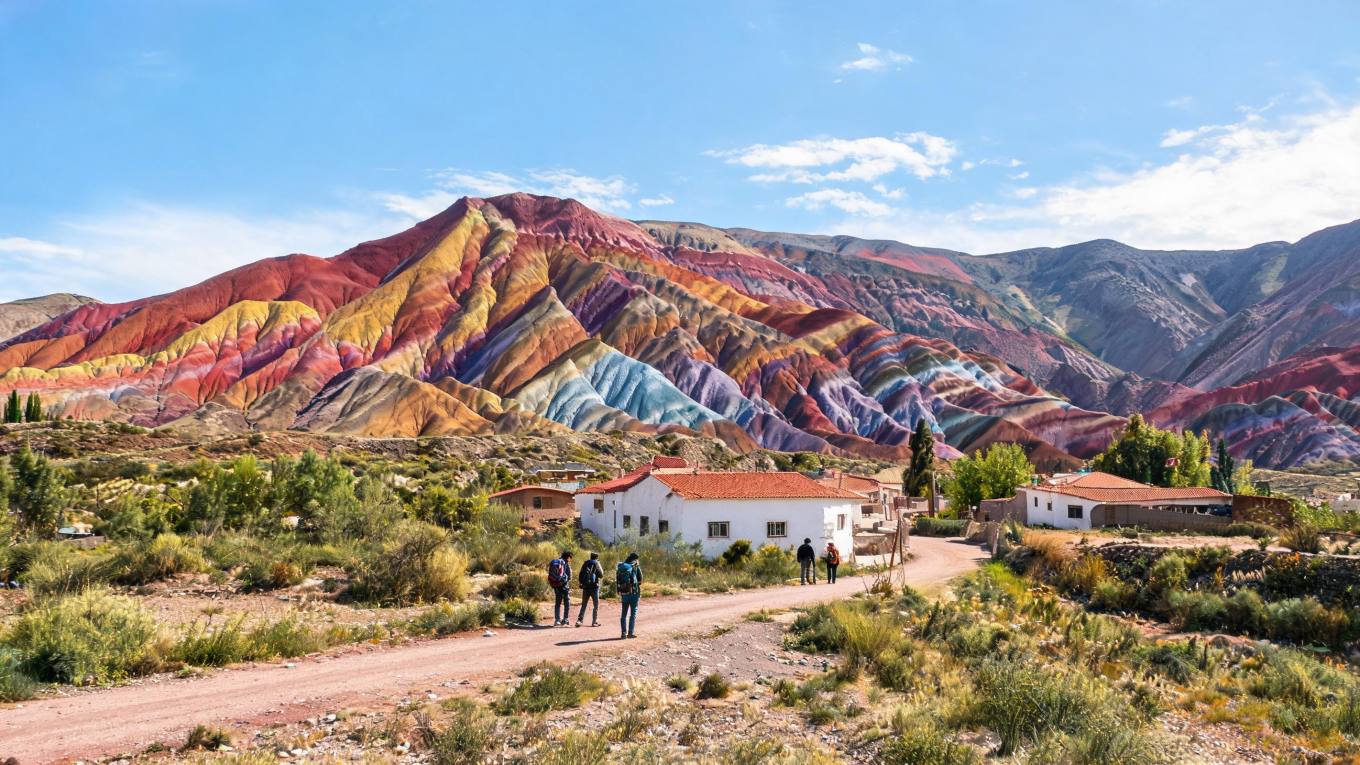
Jujuy Province is located in northwestern Argentina, featuring a dry climate with significant temperature differences between day and night. We recommend packing sunscreen, a wide-brimmed hat, and lightweight long-sleeved clothing (for sun protection during the day and warmth in the mornings and evenings). If you plan to visit salt flats (such as Salinas Grandes), bring non-slip shoes (the salt crust can be slippery) and a waterproof phone case. In high-altitude areas like the Humahuaca Valley, UV radiation is intense, so sunglasses and SPF 50+ sunscreen are essential. Additionally, pharmacies are limited locally, so it’s advisable to bring your own basic medications (e.g., for stomach issues or motion sickness).
Choosing the Right Season
The best time to visit is from April to October (dry season), when the weather is clear and road conditions are favorable. The rainy season from November to March may affect mountain roads, so check the weather forecast in advance and allow for flexible scheduling.
Visas and Documents: Argentine eTA + Border Crossing Tips
Holders of Chinese passports must apply for the Argentine Electronic Travel Authorization (AVE), which costs approximately $50 USD. It is recommended to apply via the official website at least 15 days before departure. Upon entry, you will need to present a printed copy of the AVE, a passport valid for at least six months, and proof of round-trip flight reservations. Since Jujuy Province borders Bolivia, if you plan to cross into neighboring countries, verify Bolivia’s visa policy in advance (visa on arrival is available for some nationalities).
Document Safety Tips
We recommend making two copies of important documents such as your passport and AVE, storing one set in your luggage and the other in your carry-on. Some smaller towns have limited banking services, so it’s advisable to carry a small amount of US dollars as a backup (smaller denominations are more convenient).
Currency and Payment: Tips for Using Pesos and Avoiding Exchange Rate Traps
The official currency of Argentina is the Argentine Peso (ARS), though some remote areas in Jujuy may accept US dollars (usually at unfavorable exchange rates). It is recommended to exchange for pesos in advance in the capital, Buenos Aires, or withdraw cash from local ATMs (choose banks with no fees, such as Banco Nación). Credit cards are widely accepted in the provincial capital, San Salvador de Jujuy, but restaurants in smaller towns may only accept cash.
Money-Saving Tips
- Fruits and handicrafts purchased at local markets (such as Mercado Central in San Salvador) are over 30% cheaper than at tourist attractions.
- Share a ride with locals to the Humahuaca Valley (approximately 100 ARS per person), which can cut charter costs in half.
- Check out the "Competitive Bidding" feature on the HeroGuide official website to compare prices from multiple guides and choose the most cost-effective service.
Communication and Network: Offline Maps + Local SIM Card Guide
Mobile signal can be weak in some mountainous areas of Jujuy, so download offline maps using Maps.me or Google Maps before your trip. If you need internet access, you can purchase a Claro or Personal SIM card in the provincial capital (around 300 ARS for 10GB of data), which requires passport registration. While some guesthouses offer free Wi-Fi, speeds are often slow, so consider bringing a portable hotspot device.
Emergency Contact Numbers
National emergency numbers in Argentina: 101 (Police), 107 (Medical). Phone number for the Chinese Embassy in Argentina: +54-9-11-5525-8208 (for emergencies only).
Navigating Local Transportation: Charter Cars, Rideshares, and Buses
Attractions in Jujuy Province are spread out, and public transportation schedules are limited, making chartered cars or rideshares the recommended options. The drive from San Salvador to the town of Humahuaca takes about 3 hours, with charter costs around 1,500 ARS per day (more economical when split among four people). If your schedule is flexible, you can take long-distance buses (such as Flechabus) to major towns, but allow extra time for potential delays.
How to Find Local Guides or Charter Services
Through the official website of the certified local tour matching platform, HeroGuide, you can filter for fixed-price guide services to avoid being overcharged during on-site negotiations. The platform verifies guide credentials and provides trip insurance, making it ideal for solo travelers or small groups. If you prefer to arrange things offline, we recommend obtaining a list of recommendations from the provincial tourism office (Oficina de Turismo).
Safety and Etiquette: Respecting Culture and Avoiding Offense
The residents of Jujuy Province are primarily Quechua and Aymara, so respecting local culture is crucial. When visiting Inca ruins or indigenous communities, always seek prior permission and avoid touching religious artifacts. It is advisable to ask for consent before taking photos, especially of elders and children. Additionally, littering is strictly prohibited in high-altitude areas, and violators may face fines.
Tips for Female Travelers
Avoid walking alone at night and opt for reputable transportation whenever possible. Dress codes in some remote areas are relatively conservative for women, so it is recommended to avoid wearing short skirts or sleeveless tops.
Common Beginner Mistakes: Pitfalls to Avoid!
- Underestimating Altitude Sickness: The Humahuaca Valley sits at an altitude of approximately 3,000 meters. It is recommended to avoid strenuous activity for the first two days and carry chocolate or energy snacks.
- Relying Too Heavily on Credit Cards: Restaurants and handicraft shops in smaller towns may only accept cash, so ensure you have enough pesos on hand.
- Overlooking Border Checks: When traveling from Jujuy to Bolivia, you must complete exit procedures at the La Quiaca border crossing. Confirm required documents in advance (such as yellow fever vaccination certificates).
- Choosing Unverified Tour Operators: Book services through the HeroGuide platform to read guide reviews and access trip insurance, significantly reducing the risk of scams.