
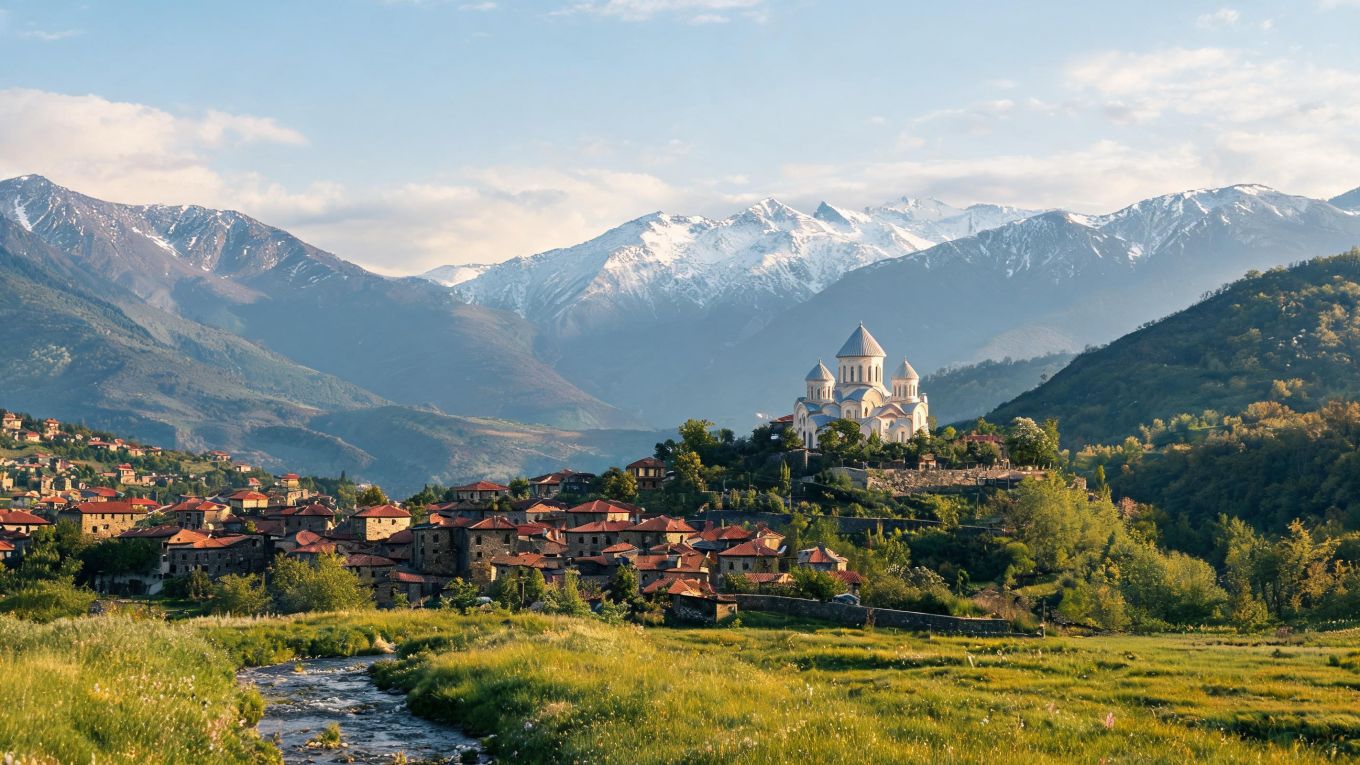
Overview and Best Seasons
Nagorno-Karabakh is located in the South Caucasus region, renowned for its mountainous forest landscapes and Armenian cultural heritage. Despite the ongoing sovereignty dispute, as a travel destination, it offers unique natural and cultural values. The best travel season is from May to October, when the climate is mild, and mountain roads are more accessible, making it ideal for hiking and cultural exploration. Winter (November to April) brings heavy snowfall, with some mountain roads closed, requiring careful planning.
Arrival and In-City Transportation
International Travel
Due to Nagorno-Karabakh's lack of international recognition, there are no direct international flights. Most visitors need to first arrive at Baku, the capital of Azerbaijan, and then enter the disputed area via land. Key points to note:
- From Baku: You can enter through the Khojavend district or the Lachin Corridor (controlled by Azerbaijan since 2023). However, the Lachin Corridor's access policy may change at any time, so it's advisable to check official Azerbaijani information in advance.
- From Armenia: Although geographically closer, crossing the Armenia-Nagorno-Karabakh border may involve visa and legal risks, so proceed with caution.
Local Transportation
Public transportation in Nagorno-Karabakh is extremely limited. It is recommended to book local guides or private car services through the HeroGuide-certified local guide matching platform. The platform offers competitive pricing and fixed-rate options, with drivers familiar with the disputed area's routes and safety conditions, helping you avoid potential risks.
Must-Experience Attractions (by Region)
Stepanakert
- "We Are Our Mountains" Sculpture: A landmark of Nagorno-Karabakh, symbolizing Armenian national spirit, located on a green hillside offering panoramic views of the city.
- Ghazanchetsots Cathedral: An 19th-century architectural masterpiece that was damaged during conflicts but has been restored as a cultural symbol. Its unique iconography is worth exploring in detail.
- Nagorno-Karabakh War Museum: Documents the history of the conflict through artifacts and images, providing insight into the region's background.
Shushi
- Shushi Ancient City Ruins: Preserves medieval walls and remnants of ancient structures. Hiking to the Jrnduz Valley offers stunning views of the rugged terrain.
- Gandzasar Monastery: A 13th-century Armenian architectural gem, housing relics of Saint John the Baptist. Its frescoes and stone carvings are exquisite.
Natural Landscapes
- Jrnduz Canyon: A deep and dramatic canyon requiring 3-4 hours of hiking. It is recommended to be guided by a local expert for safety.
- Mountain Hiking Trails: For example, a trek north from Stepanakert to the Varanda Valley, showcasing traditional villages and terraced fields along the way.
Local Cuisine
Nagorno-Karabakh cuisine blends Armenian and Caucasian flavors. Recommended dishes include:
- Dolma: Rice, minced meat, and spices wrapped in grape leaves, tangy and savory.
- Qutab: A half-moon-shaped baked pastry filled with lamb, pumpkin, or cheese, served with garlic vinegar sauce.
- Piti: A signature dish of Shaki, slow-cooked in a clay pot for 12 hours, rich in flavor, and paired with saffron rice.
- Azerbaijani Kebab: If near the disputed border, experience Azerbaijani-style grilled meat skewers, primarily made with lamb and accompanied by vegetables to balance the richness.
Recommended Accommodation Areas
Accommodation options in Nagorno-Karabakh are limited. It is recommended to stay in hotels or guesthouses in the central area of Stepanakert for easy access to attractions and dining. For those planning to explore the mountains, contact local homestays through HeroGuide to experience traditional lifestyles. Keep in mind:
- Some hotels may only accept cash payments, so bring sufficient Azerbaijani Manat (AZN) or US dollars.
- Power and internet connectivity in the disputed area are often unstable, so prepare accordingly.
3-5 Day Itinerary Suggestions
3-Day Highlights
- Day 1: Stepanakert (Sculpture, Cathedral, War Museum) → Shushi Ancient City (Ruins, Monastery)
- Day 2: Gandzasar Monastery → Jrnduz Canyon Hike → Return to Stepanakert
- Day 3: Mountain Hike (Varanda Valley) → Experience Local Cuisine and Craft Workshops
5-Day Deep Dive
- Days 1-3: Same as the 3-day itinerary
- Day 4: Explore the Lachin Corridor area (if access is permitted) → Visit traditional villages
- Day 5: Free time or participate in local cultural experiences (e.g., carpet weaving, pottery making)
Budget and Tips to Avoid Pitfalls
Budget Reference (per person per day)
- Accommodation: $30-$80 (guesthouses to mid-range hotels)
- Food: $10-$20 (local restaurants)
- Transportation: $50-$100 (private car/day, including guide)
Tips to Avoid Common Mistakes
- Policy Risks: The sovereignty dispute in Nagorno-Karabakh is sensitive. Before traveling, confirm the latest access policies through official channels to avoid illegal entry risks.
- Safety First: Avoid discussing political topics, do not travel alone at night, and carry copies of your passport.
- Cultural Respect: When visiting religious sites, dress modestly. Women are advised to bring a headscarf.
- Environmental Awareness: There are no waste disposal facilities in the mountains, so bring a garbage bag and avoid damaging the natural environment.