
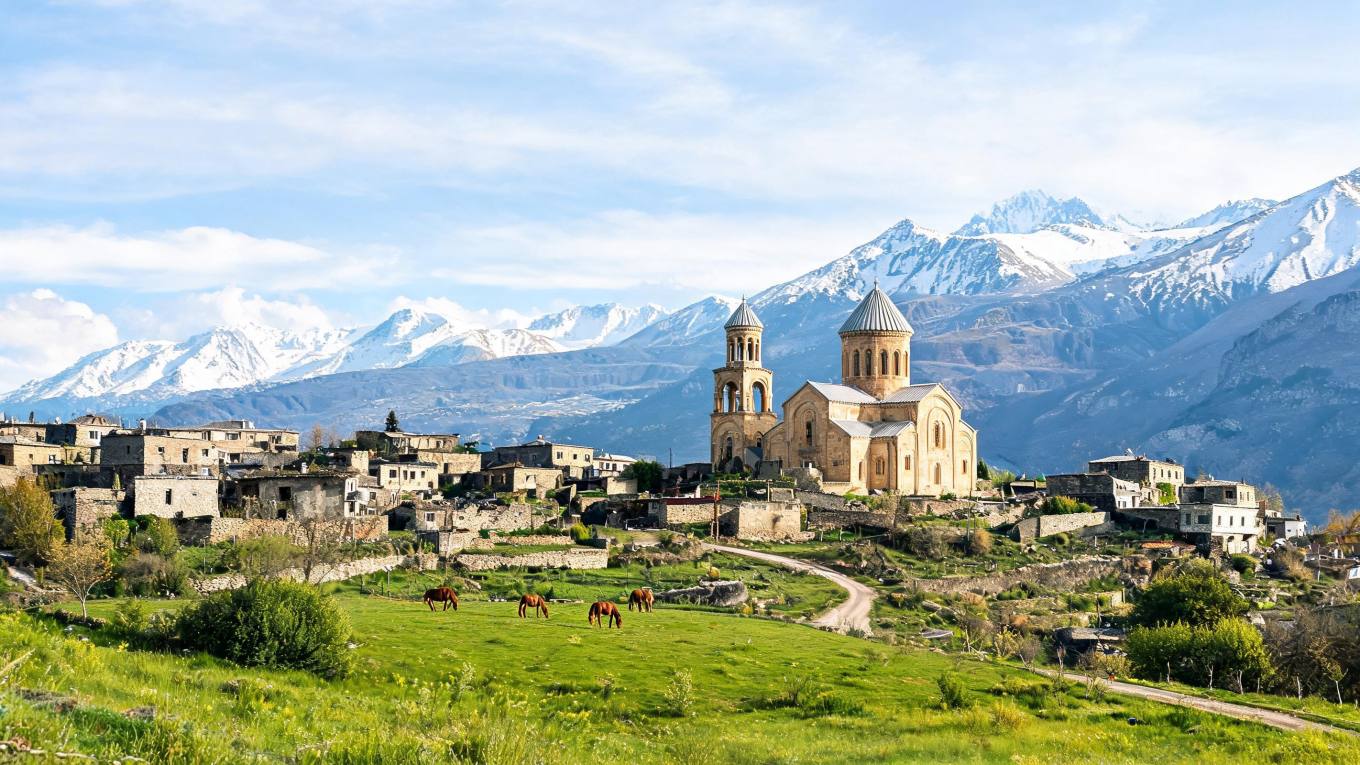
Overview and Best Seasons
Nagorno-Karabakh (known as Upper Karabakh in Azerbaijan) is a disputed territory in the South Caucasus region, renowned for its medieval castles, Eastern Orthodox churches, and stunning mountain landscapes. It blends Armenian and Azerbaijani cultures, making it ideal for travelers who enjoy historical exploration and nature trekking. The best time to visit is between May and October, with cool summers (20-28°C) and snowy winters, during which some mountain roads may be closed.
Transportation and Local Mobility
International Transport
Due to international disputes, Nagorno-Karabakh does not have an independent international airport. Travelers must first arrive at Baku International Airport (Heydar Aliyev International Airport) in Azerbaijan and then travel by land. To reach Stepanakert (the administrative center of the disputed region), you can either hire a private car or take a local minibus, with a journey time of approximately 6-8 hours via the Lachin Corridor (ensure you confirm the transit policy in advance). It is recommended to check the latest regulations from the Azerbaijani government regarding travel to the disputed area.
Local Mobility
Public transportation within the region is limited, so it is recommended to hire a private car or rent a vehicle (an international driving license is required). For a deeper experience, you can use a certified local guide platform like HeroGuide to match with local guides, offering both competitive bidding and fixed-price services to avoid language barriers and route planning challenges.
Must-Experience Attractions (by Region)
Stepanakert and Surroundings
- Gandzasar Monastery: A 13th-century Armenian architectural masterpiece, featuring exquisite dome carvings and offering panoramic views of the Arax River Valley.
- Stepanakert Monument and Peace Fountain: A city landmark commemorating war and praying for peace, with a spectacular light show at night worth watching.
- Shushi Ancient City: Once a cultural hub, the残存的卡赞切茨教堂 (Kazanchetsots Church) and fortress walls tell tales of historical changes.
Rural and Natural Areas
- Tigranakert Archaeological Site: An ancient Armenian city dating back to the 1st century BC, perfect for history enthusiasts exploring on foot.
- Dadivank Monastery: A 13th-century monastery hidden in the forest, with well-preserved frescoes, requiring a private car to reach.
- Karvachar Canyon: A hiking paradise, with wildflowers blooming in spring and fiery red maple leaves in autumn. You can arrange multi-day hiking routes with a guide.
Local Cuisine
The cuisine of Nagorno-Karabakh blends Armenian and Caucasian flavors. Recommended dishes include:
- Khorovats (Grilled Meat): Spiced lamb or beef skewers served with lavash flatbread and a tomato-cucumber salad.
- Dolma (Stuffed Grape Leaves): Rice, minced meat, and herbs wrapped in grape leaves, tangy and refreshing.
- Tuti Arak (Fruit Brandy): Locally brewed pomegranate or plum liquor, high in alcohol content—consume with caution.
- Restaurant Recommendation: "Old Shushi" in Stepanakert offers traditional dishes in a rustic setting. If you book a guide through HeroGuide, you can also experience a home-cooking class.
Recommended Accommodation Areas
Accommodation options are limited, mainly concentrated in Stepanakert:
- City Center Area: Convenient for accessing restaurants and the monument, recommended hotels include "Europe Hotel" or "Nareki Hotel," with moderate pricing.
- Near Gandzasar Monastery: If planning multiple visits, consider staying in nearby guesthouses, but contact a guide in advance for assistance with bookings.
- Travel Tip: Hotel facilities in the disputed area are basic, so set realistic expectations. Book at least 1-2 months in advance during peak season (July-August).
3-Day Itinerary Suggestion
Day 1: Cultural Exploration in Stepanakert
- Morning: After arrival, visit the Peace Fountain and Monument, then explore the city museum.
- Afternoon: Hire a private car to visit Shushi Ancient City, exploring Kazanchetsots Church and the fortress.
- Evening: Enjoy Khorovats and Tuti Arak at a restaurant in the city center.
Day 2: Religious and Historical Journey
- Morning: Visit Gandzasar Monastery and join a guided tour led by a local guide.
- Afternoon: Explore the Tigranakert archaeological site to learn about ancient Armenian civilization.
- Evening: Return to Stepanakert for free time.
Day 3: Nature and Immersive Experience
- All Day: Hire a private car to visit Dadivank Monastery and Karvachar Canyon, hike, and have a picnic (guide will prepare food).
- Evening: Return to the city and purchase local handicrafts as souvenirs.
Budget and Travel Tips
- Budget Reference: Approximately $800-$1200 per person for 3 days (including private car, accommodation, and meals). Prices in the disputed area are relatively high.
- Travel Tips:
- Avoid taking photos of military installations or border checkpoints, as this may cause trouble.
- Network signals in the disputed area are weak, so download offline maps in advance.
- Book services through trusted platforms like HeroGuide to avoid risks associated with informal transactions.