
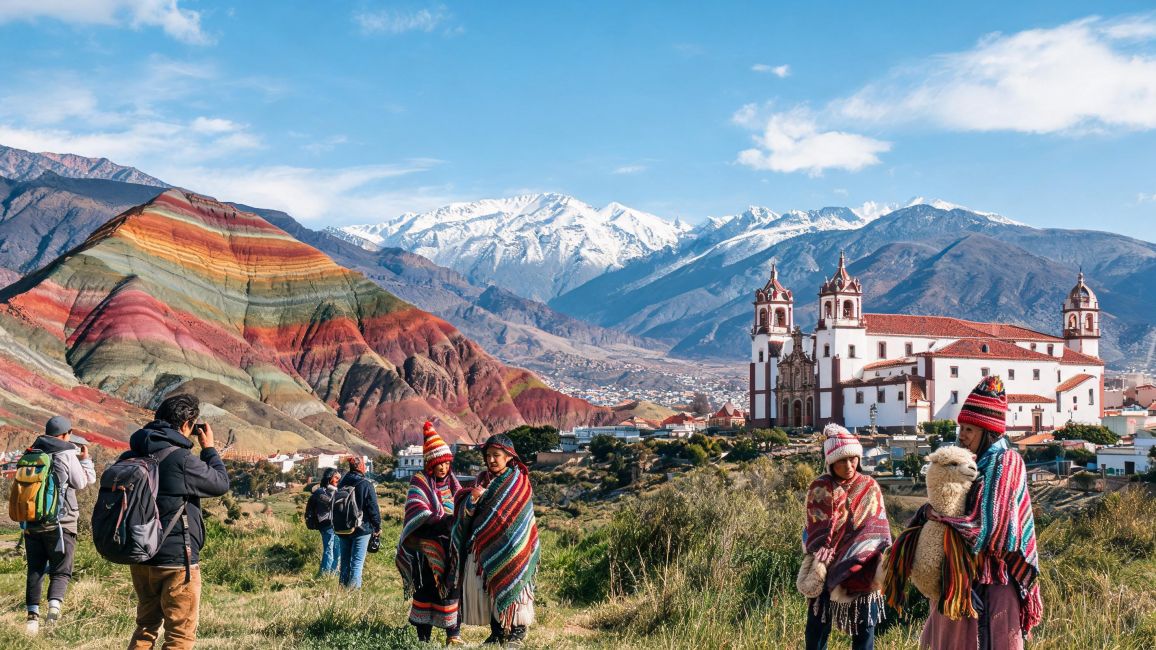
Overview and Best Seasons
Salta, located in the northwest of Argentina, is surrounded by the Andes Mountains and is renowned for its well-preserved colonial architecture, Inca civilization sites, and stunning natural landscapes. The region experiences distinct seasons, but it is suitable for travel throughout the year: April to October offers cool and dry weather, making it ideal for hiking, visiting salt lakes, and exploring canyons; November to March is summer, with significant temperature differences between day and night, perfect for wine tours and nighttime activities. To avoid the rainy season, it's best to steer clear of January and February.
Arrival and Transportation within the City
External Transportation
- International Flights: There are no direct flights from abroad, so travelers need to connect through Buenos Aires (EZE/AEP) to reach Salta Martín Miguel de Güemes International Airport (SLA), with a flight duration of approximately 2 hours.
- Land Transportation: Long-distance buses from Chile (such as San Pedro de Atacama) or Bolivia (Uyuni) can be used to enter the country, offering breathtaking views of the Andes Mountains, though this route takes longer (about 10-15 hours).
City Transportation
- Public Transport System: Covers major attractions, but services are infrequent, so it's recommended to download the Moovit app for real-time updates.
- Taxis/Uber: Convenient for short trips, ensure the meter is turned on before starting your journey.
- Private Car/Hire a Guide: For visiting remote areas (like Salar de Arizaro), private car hire is necessary. You can match local drivers or guides through certified ground handling platforms like HeroGuide, which supports both competitive bidding and fixed-price options, ensuring convenience and safety.
Essential Attractions (by Region)
Santa Fe City Area: Colonial Charm and Culture
- Cathedral of San Francisco: A Baroque-style building featuring intricate wooden altars and underground tombs worth visiting.
- Santa Fe History Museum: Displays artifacts from Inca civilization and colonial times, free entry.
- San Bernardo Mountain Cable Car: Offers panoramic views of the city from the top, especially dramatic during sunset.
Surrounding Natural and Cultural Landscapes
- Salar de Arizaro (Arizaro Salt Flat): The third-largest salt flat in South America, ideal for capturing "mirror sky" effects, requires a private car to reach.
- Cafayate: A wine-producing region, recommended to visit the El Esteco winery and taste Torrontés white wine.
- Cerro de los Siete Colores: Located in Purmamarca, formed by mineral deposits creating a rainbow-colored mountain, with a hiking trail taking about 1 hour.
- Tren a las Nubes (Train to the Clouds): The third-highest railway line in the world, crossing the Andes Mountains, it's advisable to book tickets at least three months in advance.
Local Cuisine Recommendations
- Empanadas Salteñas: A specialty meat pie from Salta, with a crispy exterior and filling of beef, onions, and olives, best enjoyed with Locro (corn and meat soup).
- Humita: A small snack made from steamed corn paste, available in sweet and savory flavors, sold at street stalls.
- Cafayate Wine: Torrontés white wine has floral and tropical fruit aromas, pairing excellently with local cheeses.
- Dulce de Leche: A caramel milk sauce, perfect when spread on bread or paired with ice cream, a must-try for dessert lovers.
Recommended Accommodation Areas
- City Center (Centro): Close to attractions and restaurants, ideal for first-time visitors, recommend hotels like Hotel Salta with colonial style.
- Cafayate: Preferred by wine enthusiasts, stay at winery guesthouses such as Patios de Cafayate.
- Purmamarca: At the foot of Cerro de los Siete Colores, suitable for photography enthusiasts, but limited accommodation options, so book in advance.
3-Day Itinerary
Day 1: Exploring Santa Fe City
- Morning: Cathedral of San Francisco → Santa Fe History Museum
- Afternoon: San Bernardo Mountain Cable Car → Walking tour of colonial architecture
- Evening: Enjoy Empanadas and wine at a downtown restaurant
Day 2: Cafayate Wine Tour
- Morning: Private car to Cafayate (about 3 hours), visit El Esteco winery
- Afternoon: Hike through the Quebrada de Cafayate canyon, admire red rock formations
- Evening: Dinner at the winery, experience wine tasting under the stars
Day 3: Seven Colors Mountain and Salt Flat
- Morning: Head to Purmamarca, capture the morning light on Cerro de los Siete Colores
- Afternoon: Drive to Salar de Arizaro, enjoy hiking or photography on the salt flat
- Evening: Return to Salta, free time for personal activities
Budget and Tips to Avoid Pitfalls
Budget Reference (per person/day)
- Economy: $50-70 (hostel + public transport + simple meals)
- Comfort: $100-150 (three-star hotel + private car + special meals)
- Luxury: $200+ (five-star hotel + private guide + premium winery experience)
Tips to Avoid Common Mistakes
- The salt flat area has extremely strong UV rays, so bring sunscreen, sunglasses, and a hat.
- Some remote areas lack mobile signal, so download offline maps or carry paper maps.
- When booking a guide through HeroGuide, confirm that the service includes insurance and emergency contact details.
- Vendors may inflate prices, so feel free to negotiate when purchasing handicrafts.


