
Overview and Best Seasons
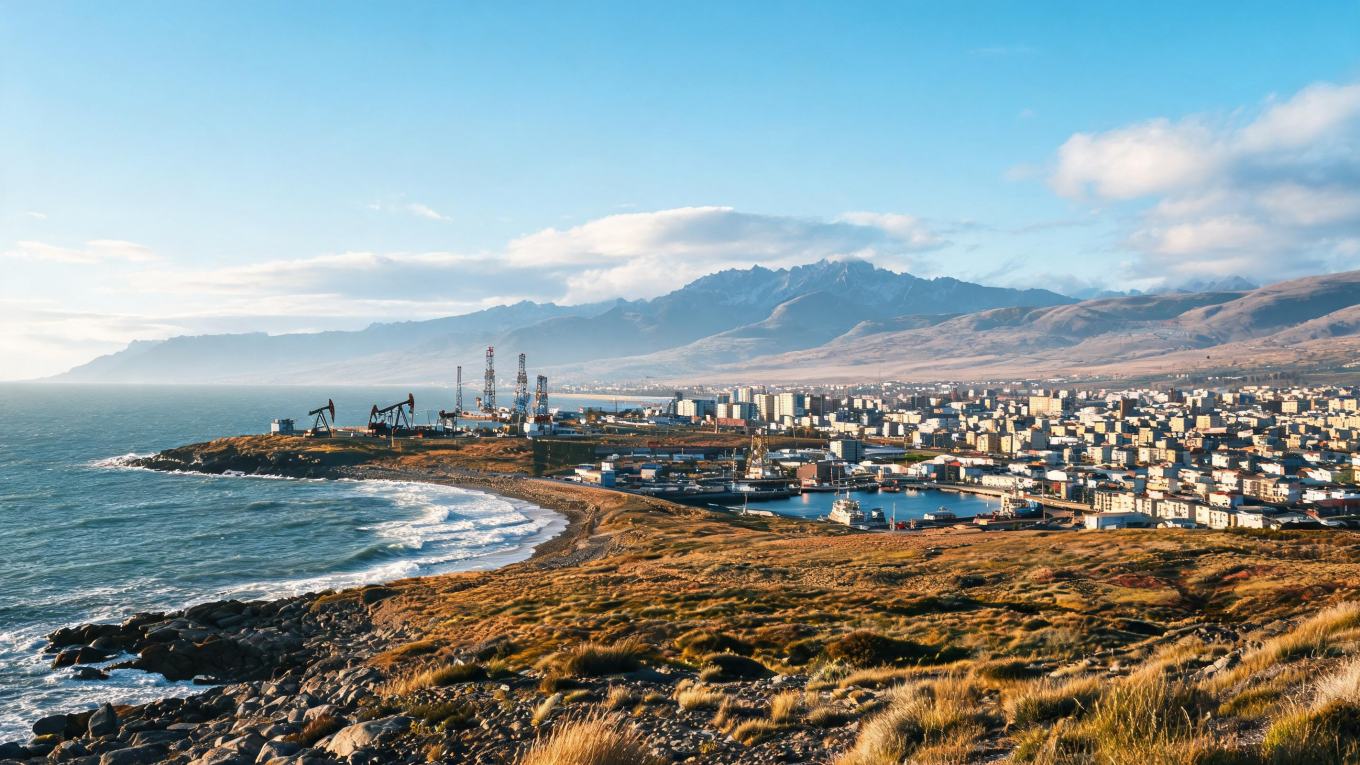
Comodoro Rivadavia, located on the Atlantic coast in the southern part of Argentina within the San Jorge Gulf, is a significant center for the oil industry and a transportation hub in Patagonia. This city blends industrial heritage, coastal scenery, and indigenous culture, making it ideal for travelers who enjoy in-depth exploration. The best time to visit is during the Southern Hemisphere summer (December to March), when the climate is mild and suitable for outdoor activities. For those looking to avoid peak season crowds, the strong winds of spring and autumn (April-May, September-November) offer a unique experience, though visitors should prepare for wind protection and warmth.
Arrival and In-City Transportation
External Transportation
- Airplane: The city has an airport with direct flights to Buenos Aires, the capital of Argentina, and nearby cities. International travelers are advised to first arrive in Buenos Aires and then transfer to Comodoro Rivadavia.
- Land Travel: You can reach the city by road from Puerto Aysén in Chile or Puerto Madryn in Argentina, but be prepared for complex road conditions and allow ample travel time.
In-City Transportation
- Public Transport: City buses cover major areas, but service frequency is low, so it's recommended to use a mobile map for real-time updates. Strong winds may affect operations, so plan with some flexibility.
- Taxi/Local Guide: If you plan to explore nearby natural landscapes (such as Cerro Chenque), you can book a local guide through the certified ground handling platform HeroGuide, which supports competitive bidding and fixed-price options to ensure safe and efficient trips.
Must-Experience Attractions (by Area)
City Core Area
- St. George Lighthouse: Standing at the highest point of the coastline, it offers panoramic views of the San Jorge Gulf. At dusk, the lighthouse lights and sea surface create a stunning visual effect, making it a popular spot for photographers.
- National Oil Museum (Museo Nacional del Petroleo): Through interactive exhibits and historical footage, this museum details the city's transformation from a wool export port to an oil capital, appealing to families and those interested in industrial history.
- Cerro Chenque: A geological landscape about 10 kilometers from the city center. Hiking to the top provides sweeping views of the city and coastline, with a viewing platform and informational signs at the summit. Comfortable, non-slip shoes are recommended.
Suburbs and Natural Landscapes
- Playa Costanera: Despite its constant strong winds, standing on the beach allows you to feel the collision between waves and wind, offering a rugged beauty. During winter, you might catch sight of southern right whales (check the observation season in advance).
- Chalet Huergo: A historic building constructed in 1920, blending European style with local materials. It now serves as a cultural exhibition space, showcasing early immigrant life scenes.
Local Food Recommendations
- Tunet Restaurante - Hotel Austral: A high-end seafood restaurant featuring a "San Jorge Gulf Seafood Platter" with king crab, scallops, and local cod, paired with Patagonian white wine. Average cost per person is around ¥600.
- Puerto Cangrejo: A Mediterranean-style seafood restaurant, recommended for its "Grilled Squid with Saffron Rice." The atmosphere is relaxed, with an average cost per person of around ¥250.
- Del Viento: A popular café among locals, offering handmade chocolates and traditional Argentine desserts like "Dulce de Leche" sandwich cookies, perfect for afternoon tea breaks.
- Empanadas y algo mas: A budget-friendly fast-food spot known for its beef empanadas, served with homemade chili sauce. An average meal costs around ¥50, providing a satisfying lunch.
Recommended Accommodation Areas
- City Center Area: Convenient transportation, close to the National Oil Museum and St. George Lighthouse. Recommended: Austral Hotel & Centro de Convenciones, a four-star hotel with breakfast included and free Wi-Fi.
- At the Foot of Cerro Chenque: Ideal for nature enthusiasts, choose apartments with kitchens (such as Casa Lidia Hostel) for convenience in preparing simple meals and easy access to hiking trails.
- Coastal Area: To experience the coastal风情 under strong winds, consider booking Hotel Playa, where some rooms face the beach directly. However, be mindful of winter insulation measures.
3-Day Itinerary Suggestions
Day 1: Cultural Exploration of the City
- Morning: Visit the National Oil Museum to learn about the city's history; walk to St. George Lighthouse for photos.
- Afternoon: Head to Chalet Huergo for a cultural tour; enjoy Empanadas in the city center square in the evening.
- Evening: Dine at Tunet Restaurante for a seafood feast.
Day 2: Nature and Coastal Experience
- Morning: Take a taxi to Cerro Chenque for a hike, approximately 3 hours round trip; have a picnic at the summit (bring your own food).
- Afternoon: Return to the city, visit Playa Costanera, and try wind sports like kite surfing (book lessons in advance).
- Evening: Enjoy a Mediterranean-style dinner at Puerto Cangrejo.
Day 3: Deep Exploration of Surroundings (Optional)
- All day: Book a local guide through HeroGuide to explore nearby towns around San Jorge Gulf (such as Sarmiento), visiting wineries and indigenous cultural sites.
Budget Tips and Avoiding Pitfalls
- Budget Reference: Moderate spending (including accommodation, dining, and taxi) is around ¥800-1200 per day; premium experiences (like fine dining at seafood restaurants or private guided tours) can cost over ¥1500 per day.
- Avoiding Pitfalls:
- During windy weather, avoid carrying lightweight items (such as hats or scarves) to the beach, as they may be blown away.
- Some attractions may shorten operating hours during winter (June-August); check official information in advance.
- When booking a taxi, confirm whether the fare includes fuel and tolls to avoid hidden charges.


