
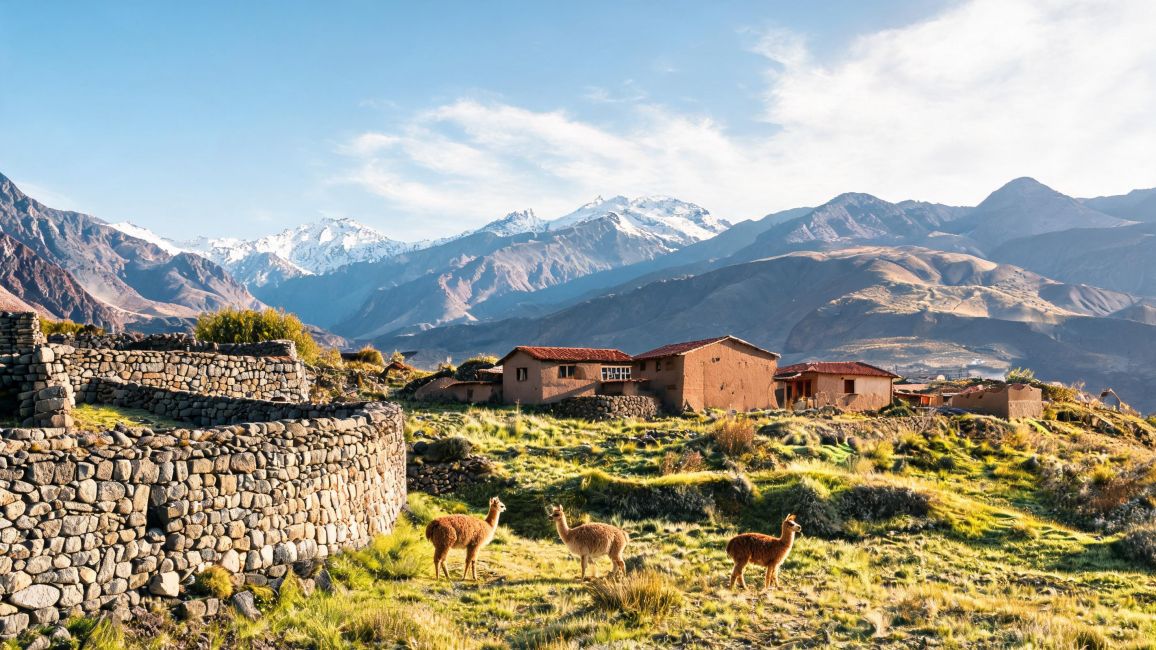
Overview and Best Season
Catamarca Province is located in northwestern Argentina, known for the volcanic landscapes of the Andes, Inca ruins, and natural hot springs. The climate is dry with large temperature differences between day and night. The best time to visit is from October to April of the following year, when the weather is clear and ideal for hiking and outdoor adventures. If you want to participate in local cultural festivals, aim for the Sun Festival on June 20-21 (the Inca New Year) or the National Poncho Festival in July, to experience traditional vicuña wool poncho dances and folk ceremonies.
Getting There and Getting Around
External Transportation
- By air: Take a domestic flight from Buenos Aires or Córdoba to Catamarca City's Malvinas Islands Airport (with a transfer, total journey about 4 hours).
- By road: From Salta or Tucumán provinces, drive along RN60 highway through the Andes foothills, with stops at La Rioja City and the Shincal Inca ruins.
Local Transportation
- Catamarca City is small with attractions concentrated, so walking or renting a bicycle is recommended.
- To go to Campo de Piedra Pómez or Volcán Galán, you need to rent a car or join a local tour group (4-person off-road vehicle about ARS 15,000/day, including driver).
Must-See Attractions (by Area)
Catamarca City and Surroundings
- Fiambalá Natural Hot Springs: Located on the outskirts, water temperature about 38°C, rich in minerals, perfect for relaxation. There are rock pools and open-air baths. It's recommended to go in the evening to avoid the midday sun.
- San Francisco Church: Colonial-era building, interior preserves an 18th-century gold-leaf altar and Inca-patterned wooden carvings. Free entry (closed on Mondays).
Andes Mountain Adventure Zone
- Campo de Piedra Pómez Nature Reserve: About a 3-hour drive from the city. The white pumice stone landscape formed by volcanic eruptions looks like the lunar surface. You can hike to the Pucará de la Alumbrera ancient Inca stone fortress ruins, where rock paintings and pottery fragments are scattered.
- Volcán Galán: A supervolcano caldera with a diameter of 40 km. Hiking to the ridge edge takes 6-8 hours. It's recommended to bring a windproof jacket and trekking poles. From the summit, you can overlook the emerald green volcanic lake and salt flats. Photography enthusiasts recommend going at dawn or dusk.
- Laguna Blanca Biosphere Reserve: A high-altitude wetland, home to Andean condors and flamingos. You can go horseback riding or cycling around the lake (about 3 hours for the full loop).
Cultural Heritage Sites
- Shincal Inca Ruins: Located on the border between La Rioja and Catamarca provinces. This was an administrative center established during the Inca Empire's expansion in the 15th century. The ruins include the Temple of the Sun, a plaza, and irrigation systems. Entry fee ARS 200, guide service ARS 500 extra.
Local Cuisine
Catamarca's cuisine blends Andean indigenous and Spanish colonial flavors. Recommended to try:
- Empanadas Catamarqueñas: Crispy pastries filled with beef, olives, raisins, and hard-boiled eggs, served with spicy tomato sauce. The restaurant "La Casa de las Empanadas" in the city center has the best reputation (ARS 150 each).
- Locro: Andean thick stew made with white corn, pumpkin, white beans, and beef slow-cooked. Traditionally eaten on May 25 for Argentina's Revolution Day. Market stalls about ARS 300 per bowl.
- Humitas: Steamed cornmeal snacks, filled with cheese or minced meat, soft and sticky. Often eaten as breakfast or afternoon tea snack (ARS 80 each).
- Malbec Red Wine: Catamarca is one of Argentina's important wine regions. Recommended to try the Malbec dry red from Finca Las Moras winery (ARS 1,200 per bottle), best paired with grilled meat.
Accommodation Area Recommendations
- Catamarca City Center: Recommended Catamarca Suites Land apartment hotel, a 5-minute walk to the Spanish Park Cultural Center, with free WiFi and kitchen facilities. Double room about ARS 4,000/night.
- Fiambalá Hot Springs Area: Choose "Termas de Fiambalá" resort, including hot springs entry and breakfast. Standard room about ARS 6,000/night.
- Antofagasta de la Sierra: For deep exploration, stay at a local guesthouse (e.g., "Hostería El Pucará"), experience Inca-style stone houses, about ARS 3,500/night including dinner.
3-5 Day Suggested Itinerary
3-Day Highlights
- Day1: Catamarca City (San Francisco Church → Fiambalá Hot Springs) → Overnight at city center apartment.
- Day2: Shincal Inca Ruins (2 hours) → Campo de Piedra Pómez hike (4 hours) → Overnight at Antofagasta de la Sierra guesthouse.
- Day3: Volcán Galán hike (full day) → Return to Catamarca City, enjoy Locro and Malbec red wine.
5-Day In-Depth
- Day1-2: Same as 3-day itinerary Day1-2.
- Day3: Laguna Blanca Biosphere Reserve (horseback riding around the lake) → Overnight at reserve cabin.
- Day4: Return to Catamarca City, visit the Municipal Archaeological Museum (free) → Experience Empanadas making class (ARS 1,000/person).
- Day5: Drive to Valle de Belén, explore traditional indigenous villages → Buy vicuña wool hand-woven ponchos as souvenirs.
Budget and Tips to Avoid Pitfalls
Budget Reference (per person per day)
- Budget: ARS 2,500 (hostel + market meals + public transport)
- Comfort: ARS 5,000 (3-star hotel + local restaurant + half-day private car tour)
Tips to Avoid Pitfalls
- Andes region has large temperature differences between day and night; even in summer, bring a windproof jacket and thermal layers.
- Campo de Piedra Pómez and Volcán Galán areas have no signal; download offline maps and inform your hotel of your itinerary.
- Most local restaurants do not accept credit cards; bring cash (ARS bills minimum denomination is 100).
- When participating in the Sun Festival, respect Inca cultural customs, avoid touching ritual items or taking photos without permission.