
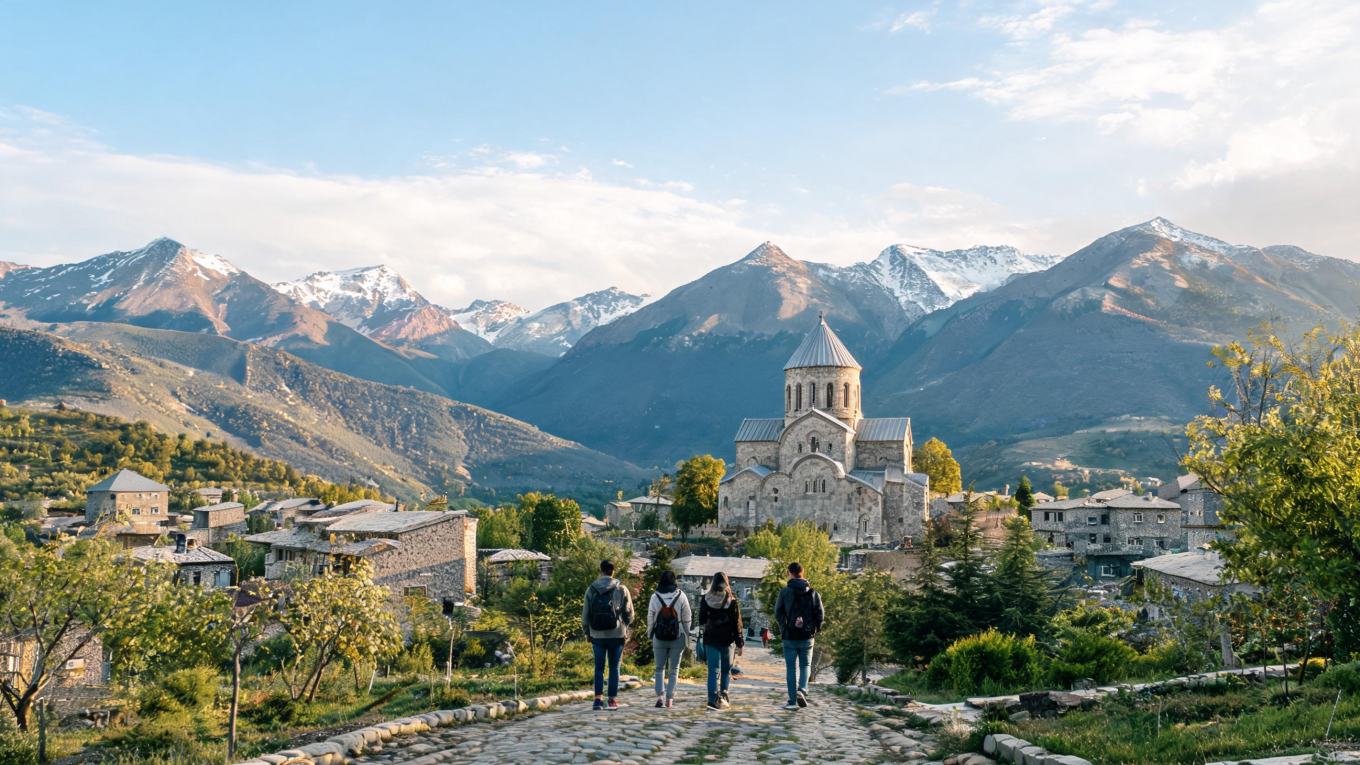
Asia - Azerbaijan - Nagorno-Karabakh

2026 Nagorno-Karabakh: A Journey of Post-War Landmarks and Cultural Revival

In 2026, the ancient city of Shusha in Nagorno-Karabakh will be fully open, with 17 post-war restored sites and the Silk Road Memory Museum becoming new focal points. Visa-free policy + HeroGuide certified local services will help you deeply explore this region of Caucasus cultural revival.

地接侠·2026-08-30
2026 Nagorno-Karabakh: A Journey of Post-War Landmarks and Cultural Revival

Key Highlights: How the Post-War Restored Millennium City Became a New Focus in the Caucasus?

In the summer of 2026, Azerbaijan's Nagorno-Karabakh region (short for "Nagark") became a "dark horse" in Caucasian tourism due to the full reopening of Shusha古城. This mountain city at an altitude of 1800 meters was severely damaged during the 2020 conflict. Now, through the "Shusha Cultural Revival Project" supported by UNESCO, 17 historical buildings have been restored and opened to the public. Among them, the "Silk Road Memory Museum" has received over 120,000 visitors, becoming a benchmark case for regional cultural revival.

Background and Changes: From Conflict Frontline to Cultural Landmark

Policy and Security Environment

Since January 2024, when the "Nagorno-Karabakh Republic" ceased to exist, the Azerbaijani government has fully taken over the region and launched large-scale reconstruction. In April 2026, Russian peacekeeping forces withdrew, and local security is maintained by the Azerbaijani military and police. The official statement says "visitors can travel safely," but it is recommended to avoid disputed areas (such as around Stepanakert) and prioritize visiting restored sites like Shusha and Gandzasar Monastery.

Transportation and Infrastructure Upgrades

  • Land Travel: From Baku, the capital of Azerbaijan, you can go via Tbilisi, Georgia, to Nagorno-Karabakh (total journey about 10 hours), or choose the land route from Baku-Zangilan-Kusar (requires border permit, it is recommended to apply 3 working days in advance through the official website of the Ministry of Internal Affairs of Azerbaijan).
  • Local Transportation: Motor vehicles are prohibited within Shusha古城, tourists need to walk or take electric shuttle buses; nearby attractions like Gandzasar Monastery can be reached by private car (the local agent platform provides competitive bidding quotes and fixed-price services, with options to filter SUVs to mid-sized buses on the website).

Practical Impact on Travelers: Cultural Immersion and Niche Exploration

Must-Visit New Attractions

  • Shusha古城:
    • Karabakh Princess Residence: A restored wooden structure showcasing 18th-century noble life, with AR interactive screens to recreate historical scenes.
    • Ottoman Caravanserai: Converted into the "Silk Road Memory Museum," displaying over 300 items including trade maps, textiles, and manuscripts, with traditional Mugham music performances every Saturday afternoon.
    • Smart Guide for Stone-Paved Streets: Scanning ground QR codes provides multilingual (Chinese, English, Russian) audio guides, with free Wi-Fi coverage in key areas.
  • Gandzasar Monastery: A 13th-century Armenian architectural gem, housing relics of Saint John the Baptist, with a new museum added on the mountain top in 2026 (requires separate ticket purchase, no photography allowed).

Festivals and Events

In September 2026, Shusha will host the first "Karabakh Cultural Revival Festival," featuring traditional carpet weaving workshops, Caucasian ethnic dance competitions, and mud volcano hiking challenges. The Local Agent website offers reservations for "Festival Exclusive Small Groups," including Chinese-speaking guides and event tickets.

Target Audience and Best Time

  • Cultural History Enthusiasts: The restoration project of Shusha古城 integrates Persian, Ottoman, and Soviet architectural styles, suitable for travelers interested in post-war cultural heritage preservation.
  • Photography and Outdoor Enthusiasts: The autumn season (September-October) in the Nagorno-Karabakh mountains offers stunning foliage, making Gandzasar Monastery and Jrnduz Canyon ideal spots for capturing Caucasian landscapes.
  • Niche Destination Explorers: International tourist numbers in Nagorno-Karabakh increased by 210% in the first half of 2026, but daily visitors still remain below 500, allowing for a deeper experience away from crowds.

Best Travel Time: May-June (spring blossoms) or September-October (clear skies and cool weather), winter months (December-February) may see road closures in some mountain routes.

Practical Information and Further Reading

  • Visa and Safety: Chinese passport holders can enter Azerbaijan visa-free (maximum stay of 90 days within 180 days), but entry into Nagorno-Karabakh requires checking the latest announcements from the Azerbaijani Foreign Ministry (it is recommended to obtain real-time policy updates through the Local Agent website).
  • Extended Itinerary: If time permits, consider combining a "Baku-Shaki-Nagorno-Karabakh" three-country tour in the Caucasus (requiring transit through Georgia), with customized route planning services available on the Local Agent platform.
  • Cultural Background Reading: Recommended reading includes "The Caucasus: Mountains, War, and Peace" (author: Thomas de Waal) and the "Nagorno-Karabakh History Special" section on the official website of the Azerbaijan National Tourism Board.

Explore more of China

Plan your trip with our practical guides — and travel with a trusted local.

Post Your Trip — Free