
Formosa: The 'Policy Dividend Period' of South America's Ecological Secret Realm
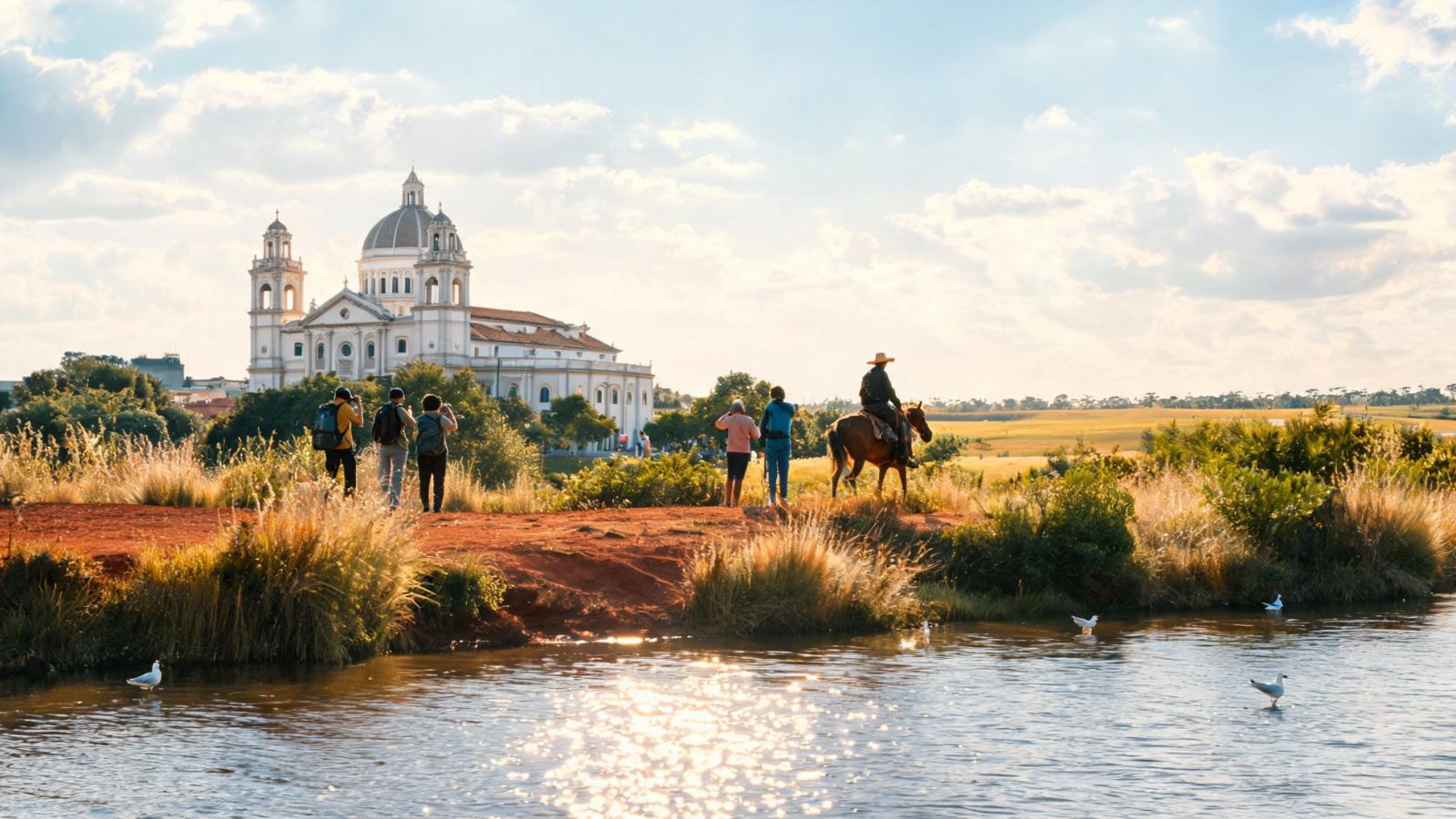
As a border province in northern Argentina adjacent to Paraguay and Brazil, Formosa is emerging as a new choice for South American travelers, thanks to cross-border convenience policies opening in 2026 and upgraded ecological protection. Here, you'll find the pristine wetlands of the UNESCO-listed Laguna Oca Biosphere Reserve, alongside unique experiences blending Gaucho culture and borderland charm. This article, combining the latest policies and on-the-ground insights, explains why Formosa deserves a spot on your South America itinerary.
Policy Dividends: Upgraded Cross-Border Access and Ecological Protection
In April 2026, the Argentine government eased border crossing restrictions with Paraguay and Brazil. Travelers with valid visas can now enter quickly through three major ports in Formosa Province (such as the Clorinda port) without additional approvals. This policy particularly benefits travelers planning to explore the tri-border area (Iguazú Falls, Asunción, Paraguay), making Formosa a transit hub.
Meanwhile, local authorities have increased investment in the Laguna Oca Biosphere Reserve (Biosfera Laguna Oca), adding three new ecological hiking trails and limiting daily visitor numbers to protect the wetland ecosystem. Travelers must book guides through certified platforms to ensure compliant access.
Three Unmissable Experiences: Nature, Culture, and Borderland Charm
- Wetland Hiking at Laguna Oca: Spot South American Endemic Species
As one of the most important wetlands in the Río de la Plata Basin, Laguna Oca is home to over 300 bird species, including endangered toucans and American flamingos. The newly opened "Wetland Observer Trail" in 2026 is led by biologist guides, equipped with high-powered binoculars and species identification charts—perfect for families and nature enthusiasts. - Gaucho Culture Immersion: Traditional Horsemanship and Handicrafts
At the "Gaucho Estancia" in Formosa City, the provincial capital, travelers can join a full-day cultural experience: learn lasso techniques from local cowboys, craft traditional leather horse gear, and taste barbecue smoked with wetland reeds. Estancia owner José Martínez says, "We want visitors to understand that Gaucho culture is not just about riding horses—it's a wisdom of coexisting with the land." - Border Market Exploration: A Gathering of Three Countries' Goods
Every Saturday, the "Formosa Border Market" is one of South America's most vibrant cross-border trade scenes. Brazilian coffee, Paraguayan handicrafts, and Argentine yerba mate are freely traded, with vendors often mixing Spanish, Guaraní, and Portuguese. Visit early in the morning to avoid the midday heat, and try the market-exclusive "Tri-Color Ice Cream" (flavors: Brazilian chocolate, Argentine vanilla, Paraguayan passion fruit).
Improved Travel Convenience: Guide Booking and Transport Optimization
In the past, Formosa's remote location made it difficult for independent travelers to find guides and navigate complex transport connections. In 2026, the certified local guide matching platform 地接侠 (HeroGuide) launched the "Formosa Ecological Special Line," offering both bidding and fixed-price service models:
- Guide Booking: The platform screens local guides certified by the Argentine National Tourism Administration, supporting communication in Chinese, English, and Spanish. Services cover areas such as wetland research, Gaucho culture, and photography guiding.
- Cross-Border Transport: Partnering with local travel agencies, they operate a direct "Formosa–Iguazú" bus, one daily departure with a 6-hour journey. The fare includes fast-track border clearance, saving 3 hours compared to self-driving.
According to HeroGuide data, inquiries related to Formosa in the first half of 2026 increased by 120% year-on-year, with "family eco-tours" and "photography specialty groups" accounting for over 60%.
Target Audience and Best Timing
Formosa is ideal for travelers seeking niche in-depth experiences, strong ecological awareness, and interest in border culture. The best time to visit is May to October, when wetland water levels are moderate, bird activity is high, and the South American rainy season is avoided. If planning to combine with Iguazú Falls, allow at least 3 days (1 day for Formosa ecotourism + 2 days for the falls).
Further Reading Suggestions
- Argentina Investment Cooperation Guide (2025 Edition): Learn about Formosa Province's economy and infrastructure
- Argentina Cultural Festival Calendar: If your trip coincides with February, experience the Chinese New Year temple fair in Buenos Aires
- HeroGuide Official Website – "Formosa Special Line": Get real-time guide quotes and user reviews


