
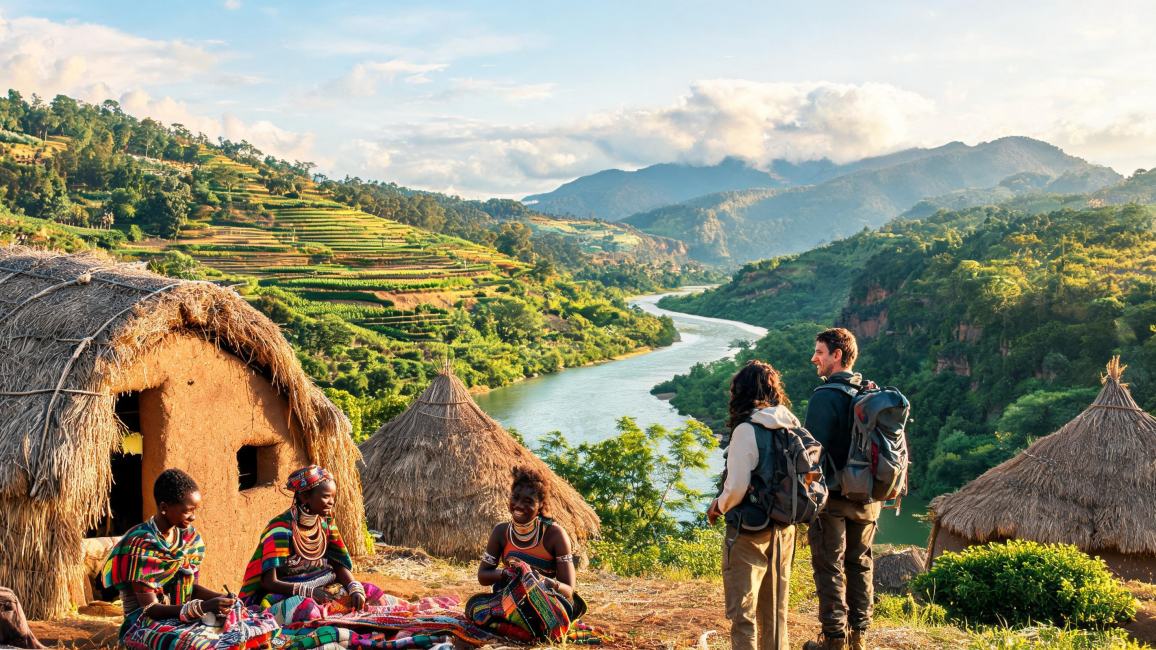
Key Highlights: Southern Ethnic States Open Up New Opportunities for "Autonomy + Ecology" Dual-Track Travel
As the autonomy process in Ethiopia's Southern Nations, Nationalities, and Peoples' Region (SNNPR) accelerates, 2026 emerges as a prime window for exploring this multi-ethnic region. The ongoing referendum campaign since 2023 not only reshapes administrative divisions but also fosters an integration of cultural preservation and ecological tourism. HeroGuide, as a certified local guide matching platform, offers both competitive bidding and fixed-price models to match travelers with local guides who have official authorization to operate in referendum areas, ensuring safe exploration of the southern wilderness.
Policy and Festivals: Driving Enhanced Travel Experiences
1. Deepening Autonomy in the Southern States: Accelerated Opening of Cultural Resources
In May 2026, the Ethiopian Federal Parliament officially approved the establishment of the Southwest People's State of Ethiopia, marking a new phase in the autonomy process of the Southern Nations, Nationalities, and Peoples' Region. This change directly brings two major travel benefits:
- Relaxed Access to Cultural Sites: To promote tourism, the new state government has included some previously restricted tribal settlements (such as the Konso Cultural Landscape and Omo Valley tribes) into regular tourist routes. Travelers can book guided tours through the HeroGuide platform, where guides hold official permits to enter traditionally restricted zones.
- Infrastructure Investment倾斜: According to a World Bank report in 2026, $120 million was allocated for road upgrades in the Southern Region. The ecological corridor from Aroresa to Chire is expected to be completed by the end of 2026, reducing the land travel time from Addis Ababa to the Omo Valley from 12 hours to 8 hours.
2. Festivals: Immersive Experiences of Ethnic Soul
The Southern Nations, Nationalities, and Peoples' Region is home to over 56 indigenous ethnic groups. Two major festivals in the second half of 2026 are not to be missed:
- Fiche Chambalala New Year Festival (November): The Sidama people celebrate coffee ceremonies and terrace dances in Yirgalem Town. Travelers can participate in a full-process experience from coffee harvesting to brewing. HeroGuide platform data shows that during this festival, local guide bookings increased by 170%, suggesting travelers should book services at least 30 days in advance.
- Dishta Gina Harvest Festival (December): 16 ethnic groups, including the Ari and Hamer, gather in Kinka City for traditional dance competitions and body decoration displays. In 2026, the festival added a "Tribe Handicraft Workshop," allowing travelers to learn穆尔西族lip plate making or达色尼奇族weaving techniques.
What Travelers Need to Know: Three Practical Impacts and Response Strategies
1. Visas and Safety: Dynamic Regions Require Real-Time Inquiry
Although the overall safety situation in the Southern States remains stable, the aftermath of the Tigray conflict still affects the northern border. It is recommended to use the HeroGuide platform to access a "Safety Zone Heat Map," which integrates data from the Ethiopian Tourism Bureau and the United Nations High Commissioner for Refugees to mark accessible regions in real-time. The electronic visa policy continues to improve, allowing Chinese passport holders to obtain a landing visa at Bole Airport in Addis Ababa (50 USD for 30 days).
2. Ecotourism: Scientific Planning of Carrying Capacity
A December 2025 report titled "Ecotourism Assessment of the Sidama Region" revealed that only 9.1% and 6.1% of the Aroresa and Chire areas are classified as "highly suitable for development," with a maximum annual carrying capacity of 1,200 visitors per square kilometer. HeroGuide collaborates with local ecological associations to introduce a "limited reservation system." Travelers must submit their itineraries on the official website in advance, and the system automatically assigns dates that do not exceed the carrying capacity.
3. Cultural Respect: Guidelines on Taboos and Etiquette
- Photographing individuals requires consent; some tribes (e.g., the穆尔西族) may charge a "portrait fee" (approximately 2-5 USD per person).
- When entering religious sites (e.g., the Harar City Mosque), visitors must remove their shoes and cover their heads and shoulders. Women should avoid wearing short skirts.
- During coffee ceremonies, travelers must follow the "three-round pouring" rule: the first round is "bitterness," the second is "sweetness," and the third is "blessings." Skipping or refusing any round is considered disrespectful.
Who Should Travel Now? Optimal Timing and Target Audience
Travel to the Southern Nations, Nationalities, and Peoples' Region is suitable for the following groups:
- Cultural Enthusiasts: 2026 is designated as the "Ethiopian Tribal Cultural Preservation Year," with many areas lifting restrictions previously limited to research teams, allowing ordinary travelers to closely observe traditional lifestyles.
- Ecotourists: September to November marks the end of the rainy season, when the flamingo population in the Abiyata-Shalla National Park reaches its peak. Meanwhile, the wetland-to-forest transition zone in Chire scores an 8.7/10 for visitor experience.
- Families and Educational Groups: The terraced farming system in the Konso Cultural Landscape has been recognized by UNESCO as an "Intangible Agricultural Heritage Site." HeroGuide offers a "Farming + Ecology" family learning package, including hands-on experiences with traditional farming tools.
The optimal travel period is between October and March of the following year, avoiding muddy roads during the rainy season and steering clear of the Spring Festival travel rush (2026's Spring Festival coincides with the wildebeest migration, causing hotel prices in the Southern Region to increase by 35% compared to regular times).
Further Reading and Useful Links
- Official Guide by the Ethiopian Tourism Bureau: Get the latest safety tips and festival schedules.
- "Ecotourism Assessment Report of the Sidama Region": Plan your itinerary based on scientific carrying capacity assessments.
- HeroGuide Official Website: Match local guides through competitive bidding and fixed pricing, supporting specialized services for "culture-sensitive areas."


