
Key Highlights: The Revival of the Rainy Season Oasis and the Ancient Spice Route
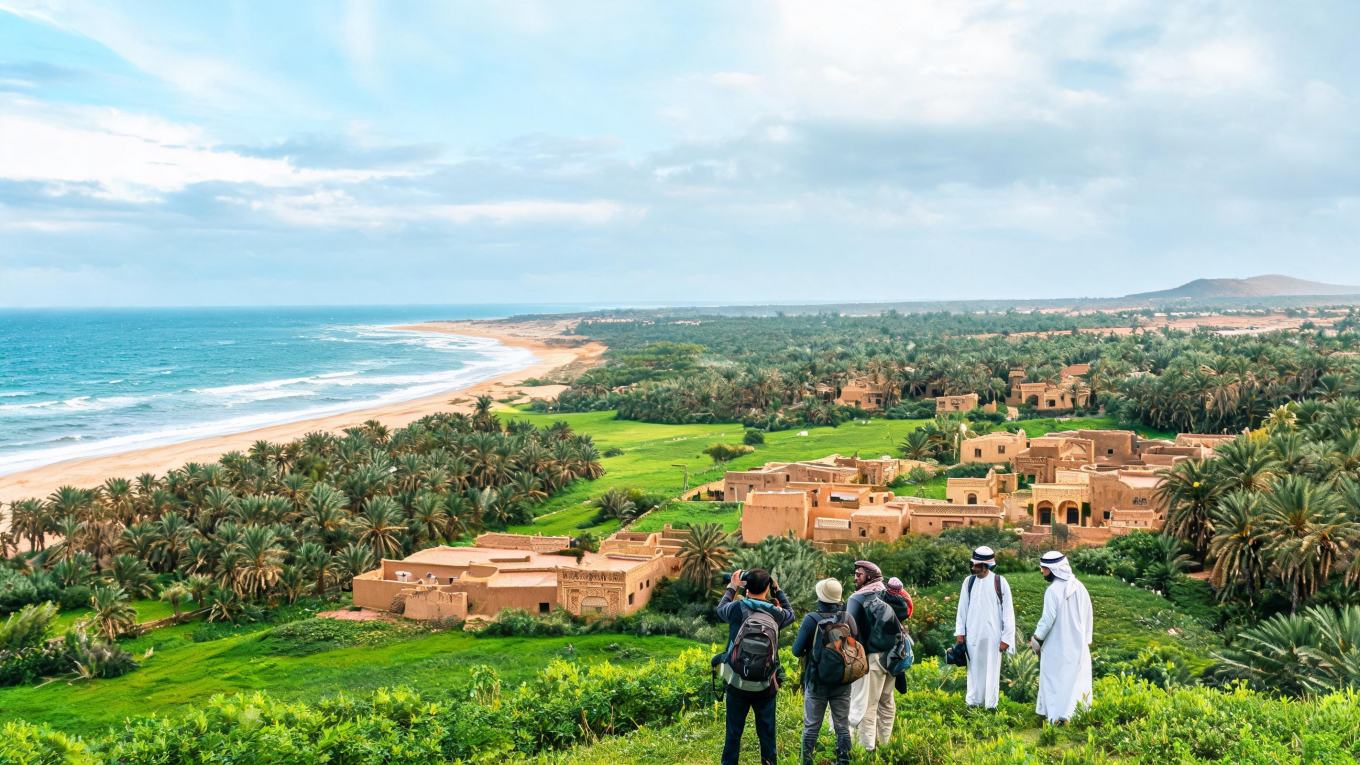
In 2024, Dhofar Governorate is attracting global travelers with its dual identity as a "Rainy Season Oasis" and the "Arabian Incense Road." As the southern core of Oman, this region transforms into an oasis during the monsoon season from June to September. Cities like Salalah have become emerging travel destinations in the Middle East due to their unique ecological landscapes and cultural festivals. Recent visa facilitation, new eco-hiking trails, and the return of traditional festivals make Dhofar Governorate a rising star among Asian niche travel destinations in 2024.
Policy Changes: Visa Simplification + Transportation Upgrades, Travel Barriers Significantly Reduced
1. Electronic Visa Covers Dhofar, Stay Extended to 30 Days
Since March 2024, Oman's e-Visa has officially covered the entire Dhofar Governorate. Chinese passport holders can apply for single or multiple entry visas online, with the stay period extended from 10 days to 30 days, costing approximately 20 Omani Rial (about 370 CNY). This policy greatly facilitates in-depth travel, especially for those planning trips that combine the rainy season's ecology with historical sites.
2. New International Flights Added at Salalah Airport, Direct Flights to Major Middle Eastern Cities
During the summer of 2024, Salalah International Airport (SLL) added direct flights to Abu Dhabi, Doha, and Kuwait City, allowing travelers from the Middle East to reach directly without transiting through Muscat. Domestic travelers can choose to transit via Dubai or Muscat, with total flight time shortened to within 6 hours. It is recommended to check flight schedules in advance, as some seasonal routes only operate during the rainy season.
Festivals and Events: Rainy Season Cultural Feast
1. Salalah Khareef Festival: July 1 - August 31
As the annual highlight of Dhofar Governorate, the Salalah Khareef Festival, themed "Oasis Carnival," features main events in Al Hafa area, including traditional music performances, handicraft markets, camel races, and incense tastings. In 2024, a new "Rainy Season Ecology Forum" was added, inviting scientists to interpret the impact of monsoons on local ecology. The event is free to attend, but some experiences require reservations. It is recommended to check the schedule in advance via the Dhofar Government Official Website.
2. Wadi Dawkah Frankincense Harvest Season: June - August
Wadi Dawkah, the core area of UNESCO World Heritage Site "Frankincense Trail," sees peak resin secretion from frankincense trees during the rainy season each year. Travelers can join local guides for traditional harvesting experiences, learning how to use small knives to collect resin by making incisions in the tree bark, and visiting nearby frankincense museums to learn about its trade history. HeroGuide-certified local guide matching platform offers half-day tours, including guide explanations and transportation, with transparent and controllable bidding quotes.
New Attractions and Experiences: Rainy Season Exclusive Ecological Routes
1. Ain Garziz Waterfall Hiking Trail
Opened in May 2024, the Ain Garziz Waterfall Hiking Trail is located in the eastern mountainous areas of Dhofar Governorate, approximately 8 kilometers long with medium difficulty. During the rainy season, the waterfall flows abundantly, offering views of iconic species such as baobab trees and Arabian baboons along the way. The hiking trail ends at a natural swimming pool where visitors can enjoy refreshing water activities. Note: The trail is only open from June to September and requires hiring a local guide and carrying a satellite phone. One-way car services can be booked via the HeroGuide official website.
2. Mughsail Beach Cave Exploration
Mughsail Beach is famous for its "Blow Hole" (Marneef Cave), where sea waves create spectacular water mists during the rainy season, making it a popular spot for photography. In 2024, the local government added viewing platforms and safety railings, and introduced a "Cave Kayaking" experience led by professional coaches exploring coastal cave systems. It is recommended to participate in the morning for better lighting and fewer crowds.
Target Audience and Best Time
- Eco-Enthusiasts: The rainy season (June - September) is the best time to observe Dhofar's unique ecology, with frequent appearances of oases, waterfalls, and wildlife activity.
- Cultural Travelers: The Salalah Khareef Festival in July - August showcases Arab traditional arts and frankincense culture, ideal for deep immersion.
- Family Travelers: Mughsail Beach, Al Marnif Island, and other attractions offer family-friendly activities, but travelers should note that the rainy season brings more rain, so waterproof gear is recommended.
Best Travel Time: July - August 2024 (concentration of festivals + peak ecological scenery), but it is advisable to book guides and transportation one month in advance. For those preferring fewer crowds, June or early September would be suitable alternatives.
Practical Information and Further Reading
- Visa Application: Oman e-Visa Official Website (supports Chinese interface)
- Local Guide Booking: HeroGuide-certified local guide matching platform provides full coverage of Dhofar Governorate guides and private car services, supporting both bidding quotes and fixed-price models. The official website allows users to view guide qualifications and customer reviews.
- Safety Tips: Some mountain roads in the rainy season may be muddy; four-wheel-drive vehicles are recommended. When participating in outdoor activities, follow the guide's instructions and avoid traveling alone.