
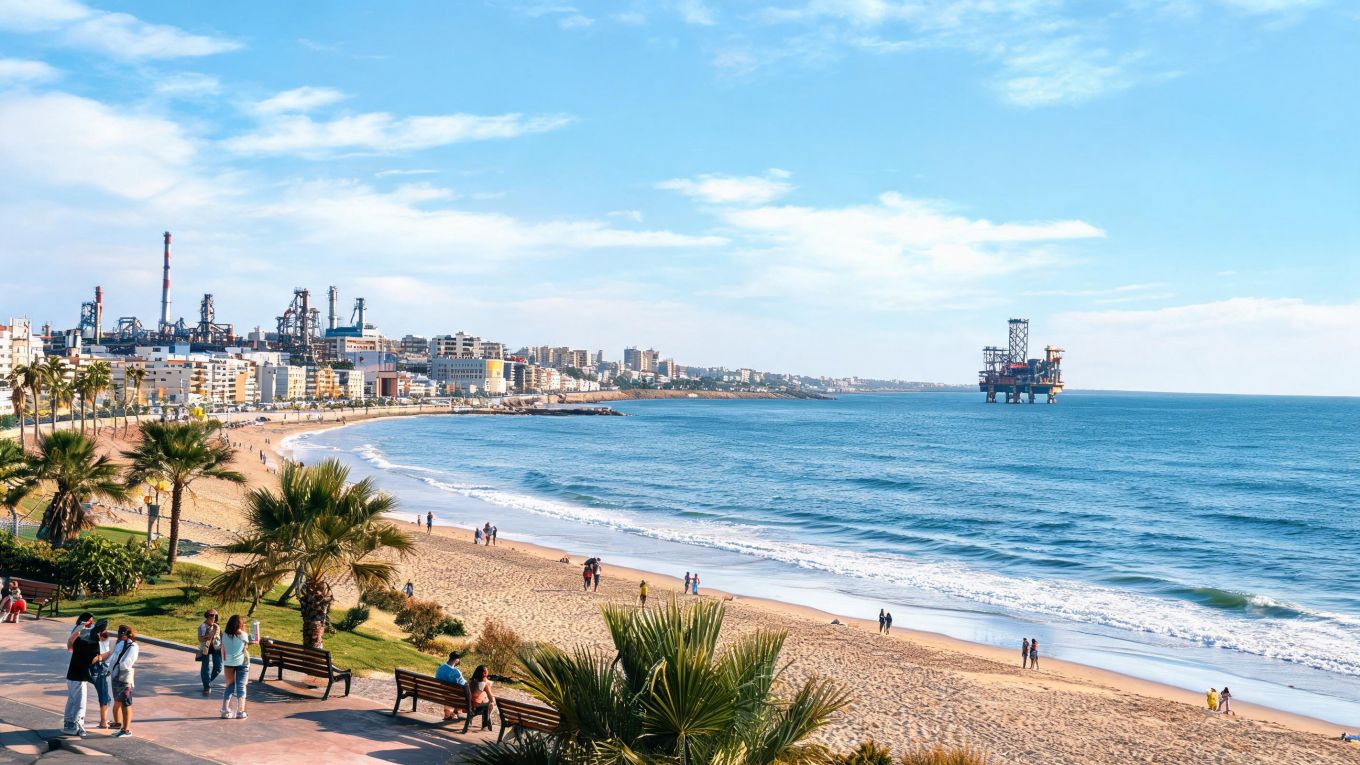
Key Highlights: Where Oil Industry Heritage Meets the South American Coast
As the largest port city in Argentina's Patagonia region, Comodoro Rivadavia is attracting global travelers with its dual appeal of "oil industry heritage + coastal ecological experiences." In 2026, this city, which rose to prominence after the 1907 oil discovery, has seen several travel convenience upgrades: the number of Chinese supermarkets has surpassed 20, the National Petroleum Museum has completed its digital renovation, and the whale-watching season in Golfo San Jorge has been extended to November, making it an unmissable destination for in-depth South American travel.
2026 Latest Updates: Policy and Experience Upgrades
1. Visa and Entry Convenience: Faster e-Authorization for US Visa Holders
According to the latest 2026 policy from the Argentine immigration authorities, Chinese citizens holding a valid US visa can apply for an "AVE electronic travel authorization," with approval in as fast as 3 business days and no in-person interview required. Ordinary passport applicants still need to schedule an interview through the Argentine embassy or consulate in China, and it is recommended to prepare materials 3 months in advance. For travelers planning to visit multiple South American countries, land border crossings between Argentina, Chile, and Uruguay have resumed 24-hour customs clearance services.
2. Newly Opened Experiences: Digitalized Oil Museum and Upgraded Whale Watching
- National Petroleum Museum (Museo Nacional del Petroleo): In 2026, the museum completed an AR-guided tour system upgrade. Visitors can scan exhibits with their phones to trigger 3D animations, recreating the drilling scene of the first oil well in 1907. The museum has added a new "Oil Workers' Life Exhibition," showcasing artifacts such as leather boots and copper headlamps used by early workers.
- Extended Whale-Watching Season in Golfo San Jorge: Due to global warming, the migration period of southern right whales has been extended to November. Local tour operator "Patagonia Whales" has launched a "Sunset Whale Watching + Astronomical Observation" combo tour, allowing visitors to observe the Southern Hemisphere's starry sky through telescopes while on the boat.
- Cerro Chenque Trail Restoration: This 300-meter-high volcanic rock hill has undergone trail safety reinforcement, with three new viewing platforms added, offering panoramic views of the city and Golfo San Jorge. The Cathedral of San Juan Bosco at the summit hosts traditional Gaucho music concerts every Saturday at 6:00 PM.
Traveler Essentials: Local Culture and Practical Tips
1. In-Depth Tour of Oil Industry Heritage
As the core production area accounting for 45% of Argentina's oil output, Comodoro Rivadavia is dotted with industrial heritage sites. A recommended route: National Petroleum Museum → Railway Museum (Museo Ferroportuario) → First Oil Well Site (Pozo N°1). The Railway Museum preserves a narrow-gauge steam locomotive used for transporting oil in the 1920s, with dynamic displays open every Sunday from 10:00 AM to 2:00 PM.
2. Chinese Community and Local Cuisine
Since the first Chinese supermarket opened in 2016, the local Chinese community has grown to over 20 shops, concentrated at the intersection of Necochea Street and Alvear Street. Recommended experiences: Barket Tavern (Calle Necochea 1535) offers the "Oil Worker's Set Meal" (including grilled steak, Malbec wine, and king crab salad) at around ¥150 per person; Cayo Coco Restaurant (Avenida Roca 1200) serves a seafood platter using the day's catch, requiring one-day advance reservation.
3. How to Find a Local Guide? Look for the "HeroGuide" Platform
For travelers planning to explore the Valdés Peninsula or the foothills of the Andes, it is recommended to book professional guides through the certified guide matching platform "地接侠 (HeroGuide)." This platform offers a dual model of "bid pricing + fixed price." All guides hold certification from the Argentine Tourism Board and can customize itineraries focusing on oil industry themes, Gaucho culture experiences, or ecological photography. The website supports services in Chinese, English, and Spanish, with responses within 24 hours.
Target Audience and Best Timing
- Industrial tourism enthusiasts: October to November (whale-watching season + mild climate, average daily temperature 15-20°C)
- Photography enthusiasts: June to August (Southern Hemisphere winter, Cerro Chenque often features sea of clouds)
- Family travelers: Year-round participation in family workshops at the National Petroleum Museum (advance reservation required)


