






The Bottom Line: When Hiring a Local Chinese Guide is Worth It, and When It’s a Waste of Money
Let’s keep it straightforward. If you’re traveling with elderly family members or kids, have lots of luggage, are on a tight schedule (e.g., 4 countries in 10 days), don’t speak any foreign languages, and want a deep, immersive experience rather than a rushed checklist tour—hiring a local Chinese-speaking driver/guide is likely more cost-effective than you think, and saves you a whole level of stress. On the flip side, if your budget is extremely tight, you’re just two or three people slowly exploring one or two cities (think City Walk style), and as young travelers who don’t mind taking the wrong train or asking for directions—hiring a local guide is basically a waste of money. Public transit + independent travel is the true king of value.
The real dilemma of multi-country European trips has never been a simple binary choice between "group tours vs. independent travel." The true dividing line is how to handle inter-city transportation. While visa-free entry applies across the Schengen Area, every transport option—trains, budget airlines, self-driving, or chartered cars—has its own pitfalls. The real value of a Chinese-speaking local guide lies precisely in taking over that most exhausting and error-prone segment. Let’s break down the math below.
How the Three Options Actually Compare
① Traditional Group Tours: Stress-Free but Rigid, with Hidden Costs from Shopping Stops
Multi-country European group tours (like a "France-Switzerland-Italy 12-Day" package) often quote around ¥15,000–¥25,000 per person. They appear to cover flights, accommodation, coach transport, and some meals, offering peace of mind. But the trade-offs are steep: your itinerary is locked in, forcing you to rush through three or four cities a day for quick photo ops; hotels are usually located in suburban areas or rated 1–2 stars (city-center stays cost more); free time is minimal; and low-cost tours survive on commissions from shopping stops and optional paid activities. Those hours spent in duty-free shops or souvenir stores are essentially hidden costs. This option suits those who want zero hassle, are visiting Europe for the first time, have no English skills, and prefer to avoid complications.
② Pure Independent Travel: Maximum Freedom, Maximum Exhaustion, with Inter-City Transit as the Boss Fight
When you book your own flights and hotels, buy train tickets, or rent a car, off-season round-trip fares to Europe run roughly ¥5,000–¥9,000 per person, and city-center 3-star hotels cost €80–€150 per night. You get maximum freedom, but the complexity of inter-city transit is severely underestimated: France’s TGV, Italy’s Italo, and Switzerland’s panoramic trains each use separate booking systems; budget airlines (Ryanair, easyJet) offer cheap base fares but charge heavily for baggage, operate from remote airports, and make missed flights or rebooking a nightmare; self-driving means adapting to left-hand traffic, navigating speed cameras across different countries, and avoiding ZTL restricted zones (accidentally entering Rome or Florence’s historic centers triggers immediate fines of dozens of euros). When language barriers hit, last-minute platform changes at train stations or deposit disputes with rental agencies can completely derail your afternoon. This path suits travelers with ample time, decent English skills, and a tolerance for (or even enjoyment of) the trial-and-error process.
③ Independent Travel + Local Chinese Driver/Guide: Outsource the Most Exhausting Parts
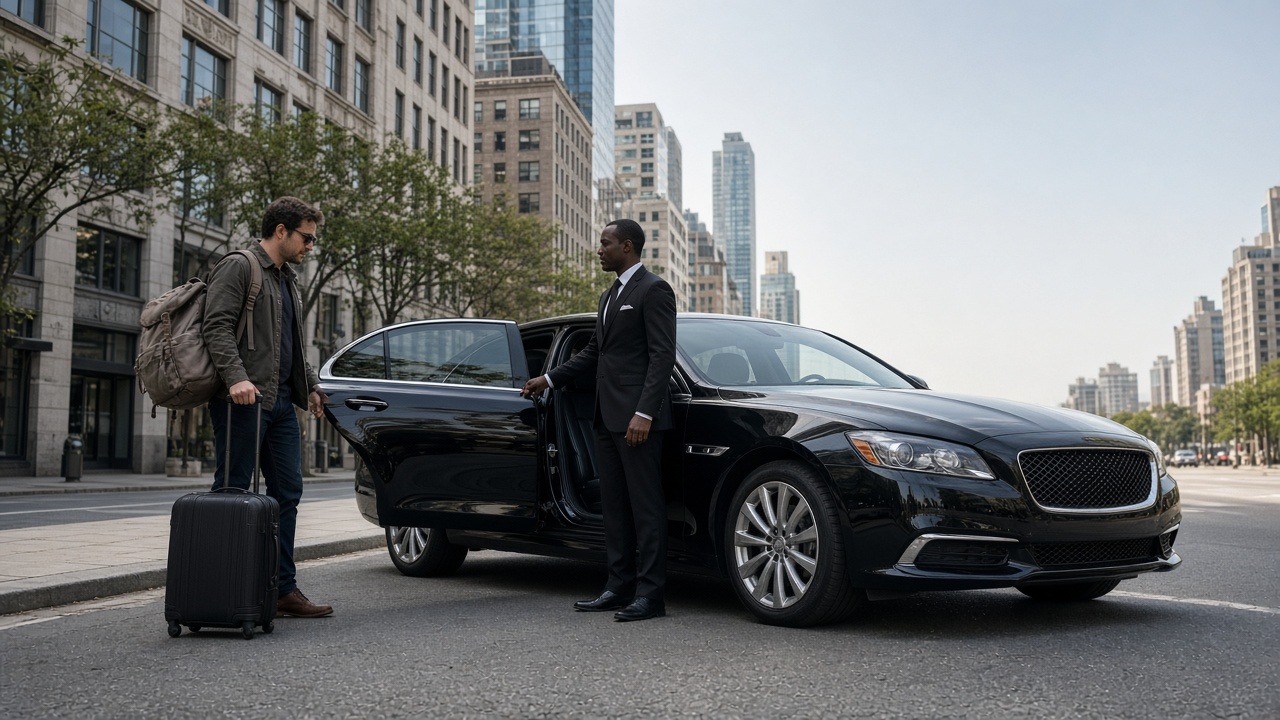
You plan your flights, hotels, and overall itinerary yourself (or let the guide assist), and once on the ground, hand over chartered transport, airport transfers, inter-city connections, and local sightseeing to a Chinese-speaking local driver/guide. Your itinerary isn’t locked—you go wherever you want. Language barriers, parking, navigation, museum reservations, and other headaches are fully handled by the guide. It’s essentially "the soul of independent travel + the convenience of a group tour." You pay extra for the daily guide fee, but save on time, trial-and-error costs, and emotional drain.
Key City Segments: Daily Rates for Chinese-Speaking Drivers/Guides (RMB, including vehicle)
Below are approximate market rates for driver/guide + vehicle per day across popular routes (8–10 hours, city center or suburbs, excluding cross-border long-distance fuel/tolls). Peak/off-peak seasons, vehicle type (sedan/MPV/minibus), and whether the guide holds prestigious certifications will cause variations. Use these as estimates only:
- Paris (City Center + Versailles/Fontainebleau): ~¥1,800–3,000/day. 7-seater MPVs cost more.
- Rome (Historic Center + Vatican): ~¥1,700–2,800/day. Vatican commentary often billed separately or requires a licensed specialist guide.
- Interlaken, Switzerland (Jungfrau/Mürren area): ~¥2,200–3,500/day. High labor and fuel costs in Switzerland make rates generally pricier.
- Barcelona (Gaudí Sites + Surrounds): ~¥1,600–2,600/day.
- Cross-Border Long-Distance Charters (e.g., Paris → Switzerland, Milan → Interlaken): Priced by mileage plus separate compensation for the driver’s cross-border accommodation and meals. Single trips typically range from ¥3,000–6,000.
When broken down, for groups of 3–4 travelers, the daily charter cost often works out to just a few hundred yuan per person per day. Compared to buying taxis, trains, and guided tour tickets separately, it’s not necessarily much more expensive, but the difference in peace of mind is enormous. The more people, the better the value. Solo travelers or couples may find it less cost-effective.
Schengen Multi-Country Inter-City Transit: Pros, Cons, and Costs of Four Options
High-Speed / Intercity Trains
The top choice for city-to-city travel: station-to-station convenience without needing to arrive at the airport two hours early. However, cross-border segments aren’t cheap: Paris → Zurich TGV tickets run ~€80–150 (early-bird discounts apply), while domestic Italian Italo trains are slightly cheaper. There’s no dedicated large-luggage check-in; you carry everything on and off yourself. For elderly travelers, kids, and three 28-inch suitcases, transfers can be incredibly stressful.
Budget Airlines
For long distances (e.g., Barcelona → Rome), base fares on budget carriers might look tempting at just €20–30. But baggage fees can easily double or triple the ticket price, airports are often an hour or two from the city center, and shuttle rides back and forth cost both money and time. Factor in the risk of missing flights, and "budget" rarely lives up to its name.
Self-Driving / Car Rentals
Offers maximum freedom and suits scenic routes like Switzerland or Tuscany. But hidden costs pile up fast: fuel (European gas averages €1.7–2/liter), highway tolls (charged by distance in France and Italy, costing dozens of euros per cross-border trip), city parking (€3–5/hour, €30–40+/day in prime zones), ZTL restriction fines, drop-off fees, and full-coverage insurance. Add the mental fatigue of unfamiliar left-hand traffic and deciphering local road signs.
Chartered Cars (with Chinese-Speaking Driver/Guide)
Packages all the above hassles into one outsourced solution. Door-to-door service, driver handles luggage, flexible routing, stop whenever you want for photos. The trade-off is the highest daily rate, and you must verify that both the driver and vehicle hold cross-border operating licenses (see pitfall avoidance below). For families with elderly/kids, heavy luggage, or tight schedules, this "convenience premium" is almost always worth it.
Three-Way Comparison Table: Cost / Freedom / Convenience / Target Audience
| Dimension | Traditional Group Tour | Pure Independent Travel | Independent Travel + Local Chinese Guide |
|---|---|---|---|
| Average Total Cost | Medium (¥15k–25k, includes hidden shopping costs) | Low–Medium (self-controlled, but trial-and-error costs are unpredictable) | Medium–High (flights/hotels self-booked + daily guide fee, significantly reduced when split among 3–4 people) |
| Freedom Level | Low (locked itinerary, checklist-style) | Highest (fully autonomous) | High (you set the route, guide executes) |
| Convenience Level | High (all-inclusive, but rigidly scheduled) | Low (you handle inter-city transit, language, and navigation alone) | Highest (most exhausting transfers and language barriers are outsourced) |
| Depth of Experience | Poor (rushed sightseeing, shopping stops) | Varies by preparation (can be deep or shallow) | Good (local-led insights on dining, staying, and playing) |
| Best For | First-timers, hassle-averse, checklist tourists | Travelers with plenty of time, decent English, and a love for adventure/veterans | Families/groups with elderly/kids, heavy luggage, tight schedules, seeking immersive experiences |
When Hiring a Local Guide is Worth It vs. Not Worth It
Worth It:
- Traveling with elderly or kids—Eliminates the physical and mental drain of hauling luggage, rushing for trains, and navigating.
- Heavy luggage—Three or four large suitcases make train transfers a nightmare; door-to-door charter solves it.
- Tight schedule—Covering 4 countries in 10 days means transfer efficiency directly dictates how much you’ll actually see.
- No foreign language skills—The driver/guide acts as your translator for ordering food, asking directions, and handling emergencies.
- Seeking depth over checklist tourism—Locals know which routes offer the best views, which restaurants won’t overcharge, and when to visit attractions to avoid crowds.
- Groups of 3 or more—Splitting the daily fee brings it down to just a few hundred yuan per person per day. Great value.
Not Worth It:
- Extremely tight budget—If saving every penny is the priority, public transit + hostels are the way to go.
- Pure city exploration / City Walk—Staying within one city like Paris or Barcelona? Metro + walking is enough; hiring a car just gets in the way.
- Young travelers unafraid of hassle—If you view trial-and-error as part of the journey, that’s where the joy of independent travel lies.
- Solo travelers or couples—The daily fee can’t be split, making the cost-effectiveness drop noticeably.
Those Easily Overlooked Hidden Costs
When budgeting for independent travel, beginners most often miss these items, leading to overspending:
- Parking & Toll Fees—Parking in European old towns is precious; €30–40/day near major attractions is common. French and Italian highway tolls are distance-based, costing dozens of euros per cross-border trip.
- Fuel Costs—Around €1.7–2/liter, significantly higher than in China. Fuel expenses add up quickly on long road trips.
- Driver’s Cross-Border Accommodation & Meals—When chartering across borders (e.g., a French driver dropping you off in Switzerland), the driver’s overnight stay and meals are typically billed to you. Always clarify this before booking.
- Mandatory Museum/Attraction Reservations—The Louvre, Vatican, Sagrada Família, and Casa Milà all require advance online time-slot bookings. Without one, you simply won’t get in. This is exactly where a good guide adds value: they secure timed tickets right when they drop.
Most Common Pitfalls When Hiring Guides in Europe
- Unlicensed "Black Cab" Drivers—Private pickups advertised in WeChat moments or international student groups are cheap but lack commercial insurance and operating licenses. If caught, both you and the driver face fines. Always verify legitimate business credentials.
- Cross-Border Operating License Issues—Many drivers only hold domestic licenses. Crossing borders (e.g., driving you from Italy to France) violates regulations, and authorities may halt the trip mid-journey. For cross-border itineraries, always confirm in advance that both the driver and vehicle possess legal cross-border operating permits.
- Hidden Surcharges—Vague initial quotes followed by last-minute price hikes citing "traffic conditions," "extra stops," or "waiting time." The key to avoiding scams is getting everything in writing before booking: daily rate, inclusion of fuel/tolls/parking, overtime charges, and who covers cross-border meal/accommodation allowances.
- Inconsistent Guide Qualifications & Commentary Quality—Being able to drive doesn’t mean you can guide. For sites requiring professional commentary like the Vatican or Louvre, clarify whether you’re getting a licensed tour guide or just a driver.
Frequently Asked Questions
Q1: How much extra does it cost for a family of four with elderly parents on a 12-day France-Switzerland-Italy trip?
It depends on how many days you charter. If you hire a driver/guide for the entire trip, expect ~¥2,000–3,500/day, with cross-border long-hauls billed separately. However, you eliminate all the stress of luggage, transfers, language barriers, and ticket hunting. Split among four people, the incremental cost is usually just a few hundred yuan per person per day—most families find it worthwhile. If budget-conscious, only charter for inter-city transfers and days involving elderly travelers, then explore cities independently.
Q2: For pure independent travel, should I take trains, fly, or rent a car for cross-border trips?
For city-to-city hops with light luggage and moderate distances (e.g., Paris → Zurich), trains are ideal for direct downtown-to-downtown convenience. For longer distances (e.g., Barcelona → Rome), budget flights work if you factor in baggage fees and airport shuttles. Scenic regions (Switzerland, Tuscany) suit self-driving, provided you’re prepared for ZTL rules, parking, and tolls. With elderly/kids and heavy luggage, chartered transport is the most stress-free option.
Q3: Can I use private pickup services recommended by friends or fellow students?
The pricing is tempting, but you assume all risks. Without operating licenses or commercial insurance, there’s no coverage for accidents or legal liability. Cross-border trips also violate licensing regulations. Occasional short intra-city rides might be acceptable, but for long-distance, cross-border, or family travel, strongly recommend using licensed, professional drivers/guides.
Q4: How do I spot hidden fees in quotes?
Verify every detail before booking: Does the daily rate include fuel/tolls/parking? What are the working hours (typically 8–10)? What’s the overtime rate? Are driver accommodation/meals included for cross-border trips? Are museum tickets and commentary charged separately? Confirm vehicle type and seating capacity. Put all these terms in writing during confirmation to eliminate excuses for surprise charges.
Q5: Will hiring a local guide force me into shopping stops?
Legitimate independent travel guides charge daily fees and work exclusively for you, relying on service fees rather than shopping commissions. You control the itinerary—this is the core difference from low-cost group tours. Simply state "no shopping stops" when booking. To avoid scams, choose drivers/guides with transparent credentials and verified reviews.
Q6: Is the strategy for hiring a guide the same for a 3-day short trip vs. a 12-day long itinerary?
No. For short city trips (e.g., 3 days in Paris), metro and walking suffice; full-day chartering isn’t necessary. Airport transfers plus one day-trip charter are usually enough. For long multi-country itineraries (e.g., 12 days across 4 countries), frequent transfers and heavy luggage amplify the value of chartered transport and connection guides. The longer the trip, the more worthwhile it becomes.
Unsure If It’s Worth It? Let the Market Compare Prices for You
The core challenge of hiring guides in Europe is information asymmetry—you don’t know market rates, who’s reliable, or whether quotes hide extra fees. Instead of gambling in student groups, let the market compete for you. Post your request on 地接侠 (HeroGuide), specifying the city segment, group size, luggage, whether you’re traveling with elderly/kids, and if you need commentary. Licensed Chinese-speaking local drivers/guides will submit competitive bids. Compare quotes, credentials, and genuine reviews side-by-side before deciding to pay a refundable deposit. Transparent, comparable, and secure. Leave the "is it worth it?" question to the market instead of betting on it yourself.


